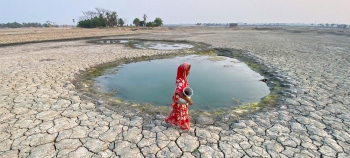
Summers feel harsher, rainfall more erratic, and the ecological balance that sustains Goa’s economy is under stress
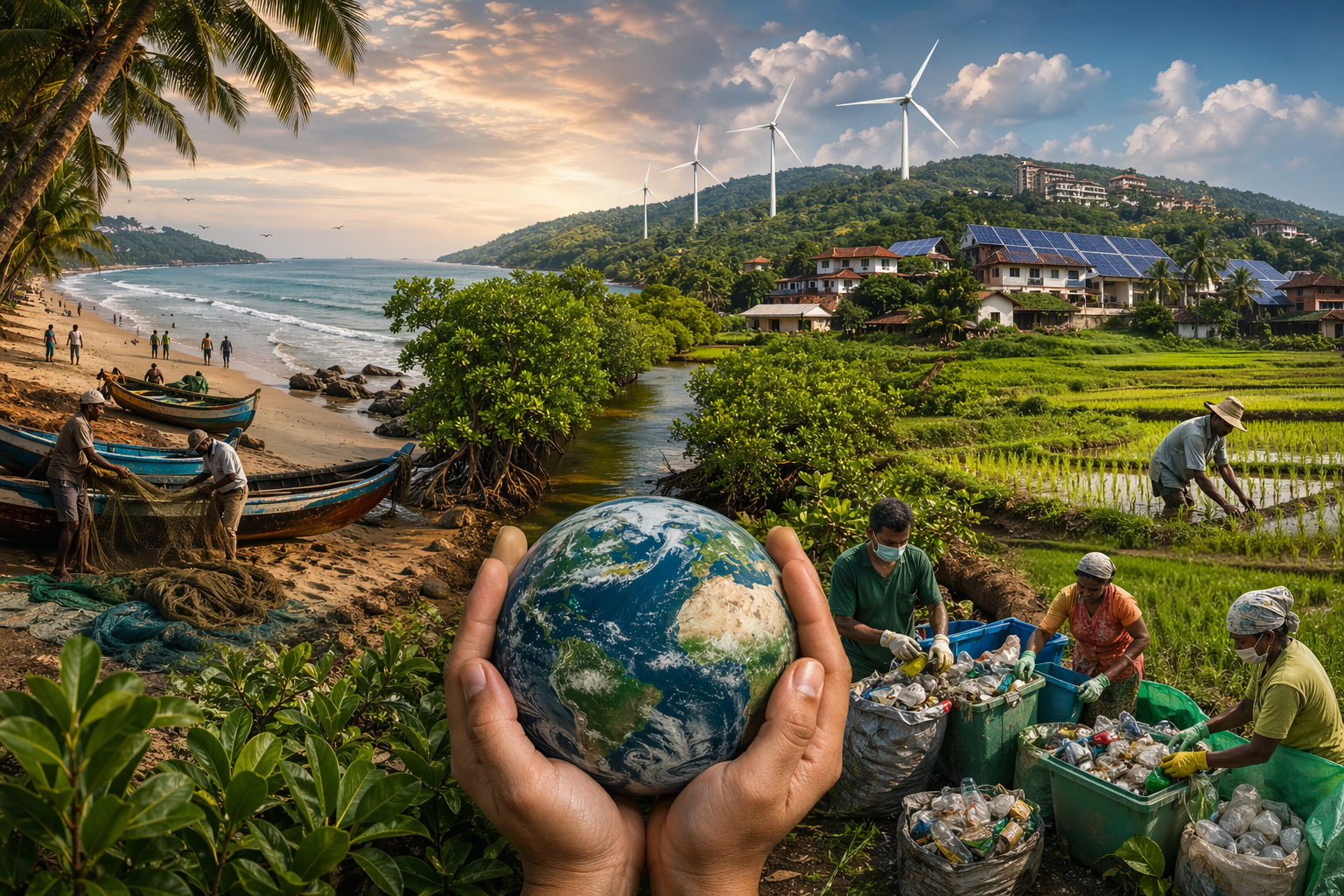
Every year on June 5, World Environment Day calls for reflection. In 2026, the theme — Climate Action — demands something more: a shift from intent to implementation, from targets to people. In Goa, climate change is no longer abstract. It is already reshaping our coastline, monsoons, and livelihoods. From the eroding beaches of North Goa to flooding in low-lying areas such as Chorao and parts of Salcete, the evidence is visible. Summers feel harsher, rainfall more erratic, and the ecological balance that sustains Goa’s economy is under stress. Tourism — a key economic pillar — depends on precisely this balance. Yet Goa faces a growing paradox: development is expanding, but so is vulnerability to climate shocks.
Renewable Energy
The Goa Energy Development Agency (GEDA) has taken important steps to promote rooftop solar and energy efficiency. However, adoption remains concentrated among high-income households and large commercial establishments. There is more to do for small businesses — beach shacks, taxi operators, local eateries — that face high upfront costs and limited access to financing. Policy interventions in Goa must prioritise these groups. Targeted subsidies, simplified credit through cooperative banks, and community solar models can make the transition inclusive. Otherwise, climate action risks widening inequality rather than reducing it.
Waste Management
Goa’s waste crisis — from Sonsodo to Saligao — is well known. Decentralised waste management is a step forward, but a major gap remains: integrating informal waste workers. Waste collectors and recyclers already sustain the system but risk displacement as formal systems expand. Across India, such transitions have often excluded them. Municipal bodies must formally recognise, train, and integrate these workers. Environmental sustainability cannot come at the cost of livelihoods.
Coastal Protection
The Goa Coastal Zone Management Authority (GCZMA) plays a key role in protecting the coastline. Mangroves, dunes, and estuaries are ecological assets and natural buffers against storms and sea-level rise. However, enforcement challenges persist. Coastal construction rules must better reflect ecological realities. Stronger CRZ enforcement, transparency in clearances, and prioritising mangrove restoration are essential. These steps protect biodiversity and coastal communities, especially fisherfolk dependent on these ecosystems.
Agriculture
A sustainable agriculture framework discussed at the Goa Sustainability Conclave organised by IIT Goa, based on IIT Delhi research, highlights an integrated approach combining crop diversification, organic farming, agroforestry, permaculture, integrated pest management, and conservation tillage. It also emphasises institutional support, market access, low-cost technologies, and gender-sensitive interventions. Policy discussions stressed capacity-building, targeted subsidies, climate-resilient seeds, crop insurance, infrastructure improvement, migration-sensitive policies, and equitable access to resources and decision-making. Goa’s agriculture, especially paddy cultivation in khazan lands, is under stress due to erratic rainfall, saline intrusion, and soil degradation. Climate resilience requires reviving traditional water systems, promoting salt-tolerant crops, and strengthening agroecological practices. Without intervention, agriculture will decline economically and culturally, affecting food security, rural livelihoods, and ecological balance.
Fisheries
Fishing communities are highly climate-exposed. Rising sea temperatures are changing fish availability, extreme weather reduces fishing days, and coastal erosion threatens landing sites. Stronger coordination between the Fisheries Department, GCZMA, and local bodies is essential. Early warning systems, sustainable fishing practices, and habitat protection can improve resilience. Mangrove restoration should be prioritised as both an ecological and livelihood strategy.
Tourism
Tourism must be part of the solution. Unregulated construction, resource overuse, and waste generation are increasing environmental stress and threatening Goa’s tourism base. The Department of Tourism must promote sustainable practices such as eco-certification, stricter zoning, and incentives for low-impact tourism models. Goa can lead in responsible tourism with consistent policy and enforcement.
Mission LiFE
India’s Lifestyle for Environment (LiFE) initiative promotes behavioural change as a core climate action tool. This is especially relevant for Goa, where individual and community behaviour directly impacts ecosystems. At IIT Goa, the Mission LiFE Cell is engaging through sustainability conclaves, workshops on environmental compliance and e-waste management, and outreach linking policy with practice. These efforts show that climate action depends not only on infrastructure and regulation, but also on everyday choices in energy use, waste management, and interaction with nature. Scaling such initiatives through collaboration with local bodies, industry, and civil society can build a broader culture of sustainability.
From Policy to People
Climate action is often measured in targets and policies, but its real impact lies in people’s lives. In Goa, this includes fisherfolk facing uncertain seas, farmers dealing with erratic monsoons, waste workers sustaining recycling systems, and small entrepreneurs managing rising costs. Climate action that excludes them is incomplete. This World Environment Day, Goa stands at a crossroads: continue fragmented responses or build an inclusive, locally grounded, and coordinated model. Climate change in Goa is not just environmental — it is about livelihoods, equity, and the future of the state.