Anyone can go online today, say something outrageous about your faith, your identity, or even you personally”and wake up the next morning more famous than accountable. That’s the world we are living in. We are in an age where influence has become currency. Not knowledge. Not experience. Not accountability. Just influence. Today, anyone with a smartphone, a decent internet connection, and a flair for controversy can become an “influencer”. No qualifications required. No responsibility mandated. Just views, likes, shares”and suddenly, authority.
But here’s the uncomfortable question we need to ask: What exactly are they influencing? And at what cost?
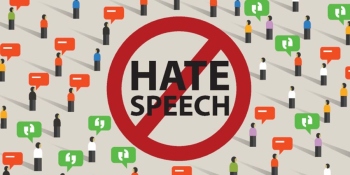
The recent incident in Goa, where a YouTuber’s derogatory remarks about St Francis Xavier led to outrage, complaints, and legal action, is not just an isolated controversy. It is a symptom of a larger, more troubling reality: a growing ecosystem where individuals parachute into spaces they barely understand, make inflammatory statements, trigger emotional reactions, and then move on”leaving behind fractured communities and heightened tensions. This is not influence. This is disruption masquerading as relevance.
The word influence carries weight. It implies the ability to shape thought, behaviour, and values. Traditionally, those who influenced society”teachers, leaders, thinkers, activists”earned that position through years of engagement, learning, and lived experience. Today, influence is being claimed, not earned. And often, it is being weaponised.
Let’s be real”controversy sells. Algorithms reward outrage. The more divisive the content, the higher the engagement. So what do some influencers do? They push boundaries”not to provoke meaningful dialogue, but to provoke reactions. Religion, culture, identity”nothing is off limits. Everything becomes content.
The Goa incident is a classic case. A person with no rooted understanding of the local culture or religious sentiments makes a deeply insensitive remark. It goes viral. People are hurt. Complaints are filed. Law enforcement gets involved. And suddenly, a digital stunt becomes a law and order issue. But here’s the deeper concern: this is becoming normal.
We are witnessing a rise in what can only be called performative influence”where the goal is not to inform or uplift, but to attract attention at any cost. These influencers are not building communities; they are exploiting them. And the damage is not just collective. It is deeply personal.
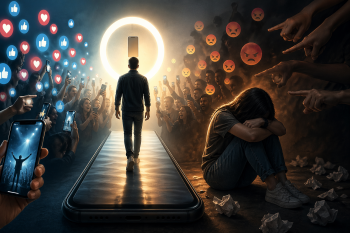
In today’s digital era, individuals are increasingly becoming targets. Influencers, in their quest for relevance, often comment on people”mocking, exposing, or misrepresenting them. A careless statement, a misleading video, or a targeted rant can spiral into harassment, trolling, and public shaming. And unlike in the old days, this doesn’t fade away. It stays. It becomes a digital footprint.
For the person on the receiving end, this can mean a long-term psychological impact”anxiety, depression, loss of dignity, and, in some cases, complete social isolation. A few seconds of “content” can translate into years of trauma. So again, we must ask: What is this influence achieving?
But let’s not paint everything with the same brush. Not all influencers are problematic. There are many who use their platforms responsibly”educating people, raising awareness, amplifying marginalised voices, and driving meaningful change. In areas like mental health, child protection, education, and social justice, responsible influencers have played a powerful role in breaking stigma and creating dialogue. That is real influence. The difference lies in intent and accountability.
A responsible influencer understands the power they hold. They verify before they speak. They respect contexts. They are aware that their words can impact real lives, not just online metrics.
An irresponsible influencer? They chase virality and deal with the consequences later”or worse, never. So where do we go from here? Because clearly, this space is not going away. If anything, it’s only getting bigger.
First, there needs to be a shift from unchecked influence to responsible influence. Platforms must take greater accountability in moderating harmful content”not just after the damage is done, but proactively. Algorithms cannot continue to reward toxicity under the guise of engagement.
Second, there is a need for digital literacy”not just among users, but among influencers themselves. Understanding cultural sensitivities, legal boundaries, and ethical communication should not be optional.
Third, and perhaps most importantly, there must be consequences. Freedom of expression is not freedom from responsibility. When influence leads to harm”be it communal disharmony, personal harassment, or public unrest”there must be clear and visible accountability. Not to silence voices, but to ensure that influence does not become impunity.
And finally, as a society, we need to rethink who we choose to follow. Because influence is not just created”it is given. Every like, every share, every follow is an endorsement. When we reward reckless voices, we amplify them. When we engage with toxic content, we sustain it.
So maybe the real question is not just about influencers. Maybe it’s about us. In this age of influence, are we being mindful consumers”or passive enablers? Because, at the end of the day, influence is not just about who speaks. It’s about who listens.
(The writer is an Assistant Professor of Social Work, Goa University and Founder, Human Touch Foundation and Former Chairperson of the Goa State Commission for Protection of Child Rights)