The year 2020 hasn’t been one to remember – for many, it has been an outright nightmare – bringing anxiety, heartbreak, righteous anger and discord to many. Amid such suffering, joy can be an incredibly powerful companion

Joy is not the same as happiness. Happiness tends to be the pleasurable feeling we get from having the sense that life is going well.
Joy, on the other hand, has a mysterious capacity to be felt alongside sorrow and even – sometimes, most especially – in the midst of suffering.
This is because joy is what we feel deep in our bones when we realize and feel connected to others – and to what is genuinely good, beautiful and meaningful – which is possible even in pain. Whereas happiness is generally the effect of evaluating our circumstances and being satisfied with our lives, joy does not depend on good circumstances.
As scholar Adam Potkay noted in his 2007 book “The Story of Joy,” “joy is an illumination,” the ability to see beyond to something more.
Similarly, Nel Noddings, Stanford professor and author of the 2013 book “Caring,” describes joy as a feeling that “accompanies a realization of our relatedness.”
What Noddings meant by relatedness was the special feeling we get from caring about other people or ideas.
Joy is also the feeling that can arise from sensing kinship with others, experiencing harmony between what we are doing and our values, or seeing the significance in an action, a place, a conversation or even an inanimate object.
We cannot put joy on our to-do lists; it does not work that way. But there are ways we can prepare ourselves for joy. There are “gateways” to joy that help us to become more open to it.
Gratitude involves bringing to mind the good that is in the world, which makes rejoicing possible. The feeling that follows contemplating nature or art that we find inspiring is often joy, as these are experiences that help people feel connected to something beyond themselves, whether to the natural world or to others’ feelings or experiences.
Since “hope,” as theologian Jürgen Moltmann has said, is “the anticipation of joy,” writing out our hopes helps us to expect joy.
3 types of joy
• Retrospective joy
Retrospective joy comes in vividly recalling a previous experience of unspeakable joy. For example, we can imagine in our minds an occasion when we helped someone else, or someone unexpectedly helped us, a time we felt deeply loved … the moment we saw our child for the first time. We can close our eyes and meditate on the memory, even walk through the details with someone else or in a journal and, often, experience that joy again, sometimes even more acutely.
• Restorative joy
There is a kind of joy, too, that is redemptive, restorative – resurrection joy. It is the feeling that follows things that are broken getting repaired, things that we thought were dead coming back to life. This kind of joy can be found in apologizing to someone we have hurt, or the feeling that follows recommitting ourselves to sobriety, a marriage or a dream we feel called to.
• Futuristic joy
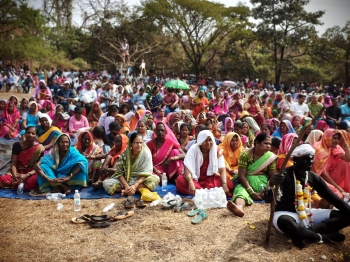
Futuristic joy comes from rejoicing that we will again glimpse meaning, beauty or goodness, and seemingly against all odds feel that they are connected to our very life. This type of joy can be found, for example, through singing in a religious service, gathering at a protest demanding change or imagining a hope we have being realized.
In the midst of a year in which it is not difficult to stumble onto suffering, the good news is that we can also stumble onto joy. There is no imprisoned mind, heartbreaking time or deafening silence that joy cannot break through.
Joy can always find you.
PREPARING OURSELVES FOR JOY
• Joy has a mysterious capacity to be felt alongside sorrow and even – sometimes– in the midst of suffering
• Joy is what we feel deep in our bones when we realize and feel connected to others – and to what is genuinely good, beautiful and meaningful – which is possible even in pain
• Joy is an illumination, the ability to see beyond to something more
• Joy is the special feeling we get from caring about other people or ideas
• Joy can arise from sensing kinship with others, experiencing harmony between what we are doing and our values, or seeing the significance in an action, a place, a conversation or even an inanimate object