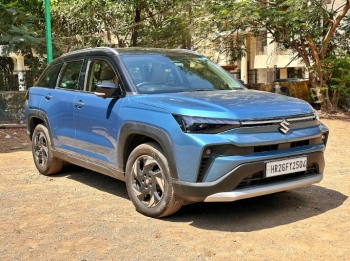
For decades, sedans represented the ideal family car in India. Models such as the Maruti Suzuki Dzire, Honda City and Hyundai Verna offered a perfect balance of comfort, efficiency and practicality. However, over the past few years, the popularity of sedans has steadily declined while SUVs and crossovers have surged ahead. Although changing consumer preferences play a major role, India’s road conditions are increasingly making life difficult for sedan owners.
Road quality challenge
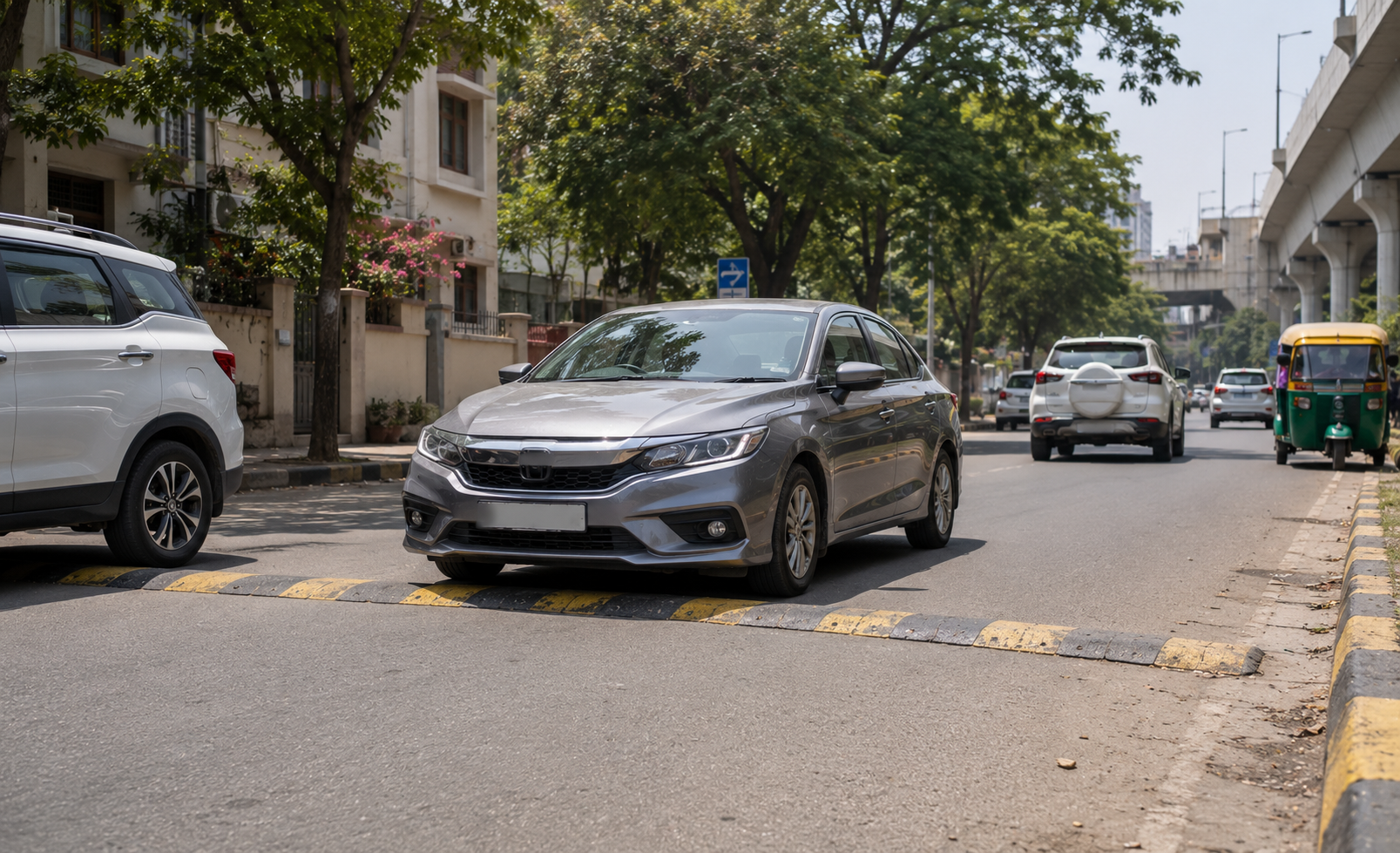
One of the biggest challenges facing sedans is the poor condition of roads across many parts of the country. While highways have improved significantly, city streets and rural roads often remain riddled with potholes, uneven surfaces and damaged stretches. Sedans typically have lower ground clearance compared to SUVs, making them more vulnerable to scraping their underbody when encountering deep potholes or broken roads. Drivers often need to slow down considerably and carefully navigate obstacles that SUV owners can cross with far less concern.
Speed breakers everywhere
The growing number and size of speed breakers is another issue. Across India, many residential areas, town roads and even highways feature oversized or poorly designed speed breakers. Some are so steep that sedan drivers must approach them diagonally to avoid scraping the front bumper or underbody. While speed breakers are meant to improve safety, their inconsistent design has become a constant source of frustration for sedan owners. In contrast, SUVs with higher ground clearance can tackle most speed breakers without requiring special manoeuvres.
SUV effect
The rise of the SUV craze has further pushed sedans into the background. SUVs have become a status symbol and are often perceived as more rugged, practical and premium. Manufacturers have responded by launching a wide range of compact, midsize and full-size SUVs that cater to nearly every budget segment. As more consumers switch to SUVs, road infrastructure and driving habits have indirectly begun favouring taller vehicles.
The increasing presence of SUVs on Indian roads also changes the driving experience for sedan owners. Sitting lower to the ground means sedan drivers often have their visibility blocked by larger vehicles ahead. During heavy traffic, seeing beyond a tall SUV or large crossover becomes difficult, making lane planning and overtaking more challenging. Headlight glare from taller vehicles can also be more noticeable at night, adding to driver discomfort.
Monsoon troubles
Monsoon flooding presents another major obstacle. Every year, heavy rains leave roads submerged in many Indian cities. Waterlogging has become a common occurrence, especially in urban centres where drainage systems struggle to cope with intense rainfall. For sedan owners, flooded roads can be particularly stressful. Their lower ride height increases the risk of water entering the engine bay, damaging electrical components or causing the vehicle to stall.
Many sedan drivers are forced to avoid flooded routes altogether or wait for water levels to recede before proceeding. SUVs, meanwhile, offer greater confidence thanks to their higher ground clearance and elevated seating position. Although no vehicle is completely immune to flood damage, SUVs generally provide a larger margin of safety when navigating waterlogged roads. This practical advantage becomes highly attractive during India’s monsoon season.
Ground clearance obsession
Perhaps the most significant factor driving the decline of sedans is India’s growing obsession with ground clearance. Buyers increasingly view higher ground clearance as an essential feature rather than a bonus. Even consumers who spend most of their time driving within cities often prioritise a vehicle’s ability to handle rough roads, speed breakers and occasional flooding. As a result, many buyers are willing to sacrifice some of the driving dynamics and fuel efficiency traditionally associated with sedans.
This shift in mindset has influenced vehicle development across the industry. Several manufacturers have discontinued sedan models or reduced investment in the segment while focusing on SUVs and crossover-style vehicles. Some companies have even introduced raised sedans or crossover-inspired models in an attempt to bridge the gap between traditional sedans and SUVs.
Still a strong case
Ironically, sedans still offer several advantages that many SUVs struggle to match. Their lower centre of gravity often results in better handling, improved ride stability and greater fuel efficiency. Sedans also tend to be more aerodynamic, contributing to lower running costs and quieter highway cruising. However, these strengths are increasingly overshadowed by the practical demands imposed by Indian road conditions.
Future of sedans
The decline of sedans is therefore not merely a result of changing fashion trends. It reflects a broader adaptation to the realities of Indian driving. Poor roads, aggressive speed breakers, frequent monsoon flooding and a strong preference for high ground clearance have combined to create an environment where SUVs often feel better suited to daily life.
Until road quality improves consistently across the country and urban flooding becomes less common, sedans are likely to remain at a disadvantage. While they continue to offer comfort, efficiency and driving pleasure, Indian roads are gradually becoming less accommodating to the very qualities that once made sedans the preferred choice of millions of motorists.