SpaceX looks to the heavens to solve a terrestrial power crisis
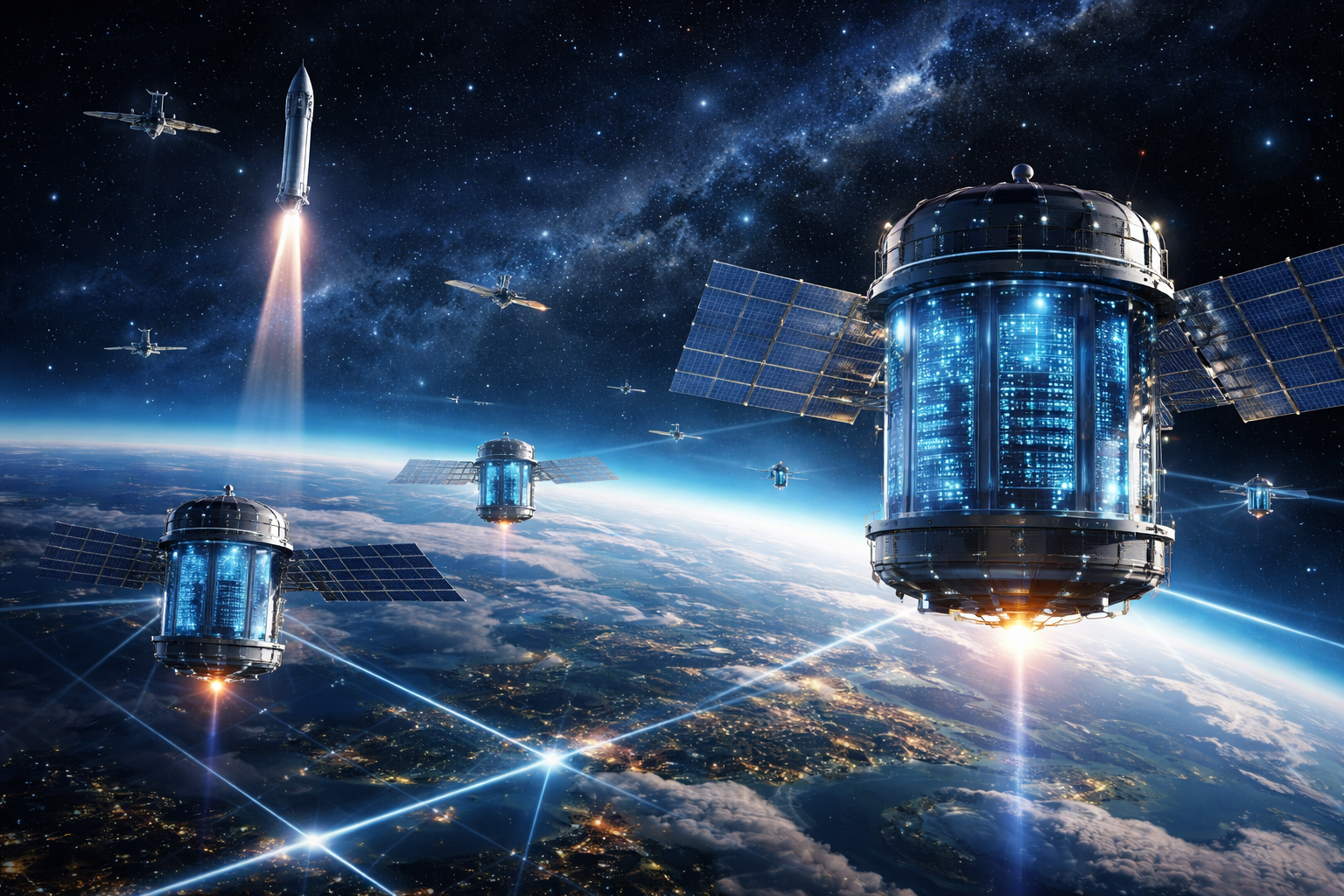
To the casual observer, the recent proposal by SpaceX to the Federal Communications Commission for a constellation of up to one million satellites might look like another exercise in Silicon Valley maximalism. The filing describes a vast, solar-powered infrastructure designed to host artificial intelligence (AI) compute in low Earth orbit. Yet, stripped of its astronomical scale, the plan is a remarkably grounded response to a terrestrial crisis: the voracious appetite of the AI industry for land, water, and electricity.
On Earth, the primary bottleneck for AI is no longer just the supply of silicon, but the capacity of the power grid. Massive data centres are straining regional utilities, from Virginia to Dublin, leading to moratoriums and a desperate search for stable energy. Terrestrial solutions—building modular nuclear reactors or massive battery arrays—face years of permitting delays and high cooling costs. Space, by contrast, offers the cold vacuum for passive heat dissipation and unfiltered, near-constant sunlight. SpaceX argues that “by directly harnessing near-constant solar power with little operating or maintenance costs, these satellites will achieve transformative cost and energy efficiency,” promising a bypass of the fragile and oversubscribed terrestrial grid.
The arithmetic of this ambition has shifted because of Starship. If SpaceX’s heavy-lift rocket can collapse launch costs by an order of magnitude, the economic penalty of putting a server in orbit may finally fall below the rising cost of keeping one on the ground. However, the engineering and regulatory hurdles remain formidable. Managing a million-satellite fleet would push orbital congestion to a breaking point, significantly heightening the risk of the Kessler Syndrome—a cascade of debris that could render certain orbits unusable. Furthermore, space is a hostile environment for the delicate GPUs required for AI; radiation hardening adds weight and cost, while the lack of on-site maintenance means a single hardware failure is permanent.
There is also the matter of governance. A space-based compute sovereign would operate largely outside the tax and environmental regimes of nation-states, raising thorny questions about data residency and the monopolisation of orbital shells. For now, the proposal should be viewed with a healthy measure of scepticism. It is as much a speculative hedge against the physical limits of Earth as it is a technology roadmap. Whether this represents a genuine shift in infrastructure or merely a high-stakes play for “orbital real estate” before regulators close the window, it confirms one reality: the AI boom has become an infrastructure problem so large that the planet itself is starting to feel too small to contain it.