


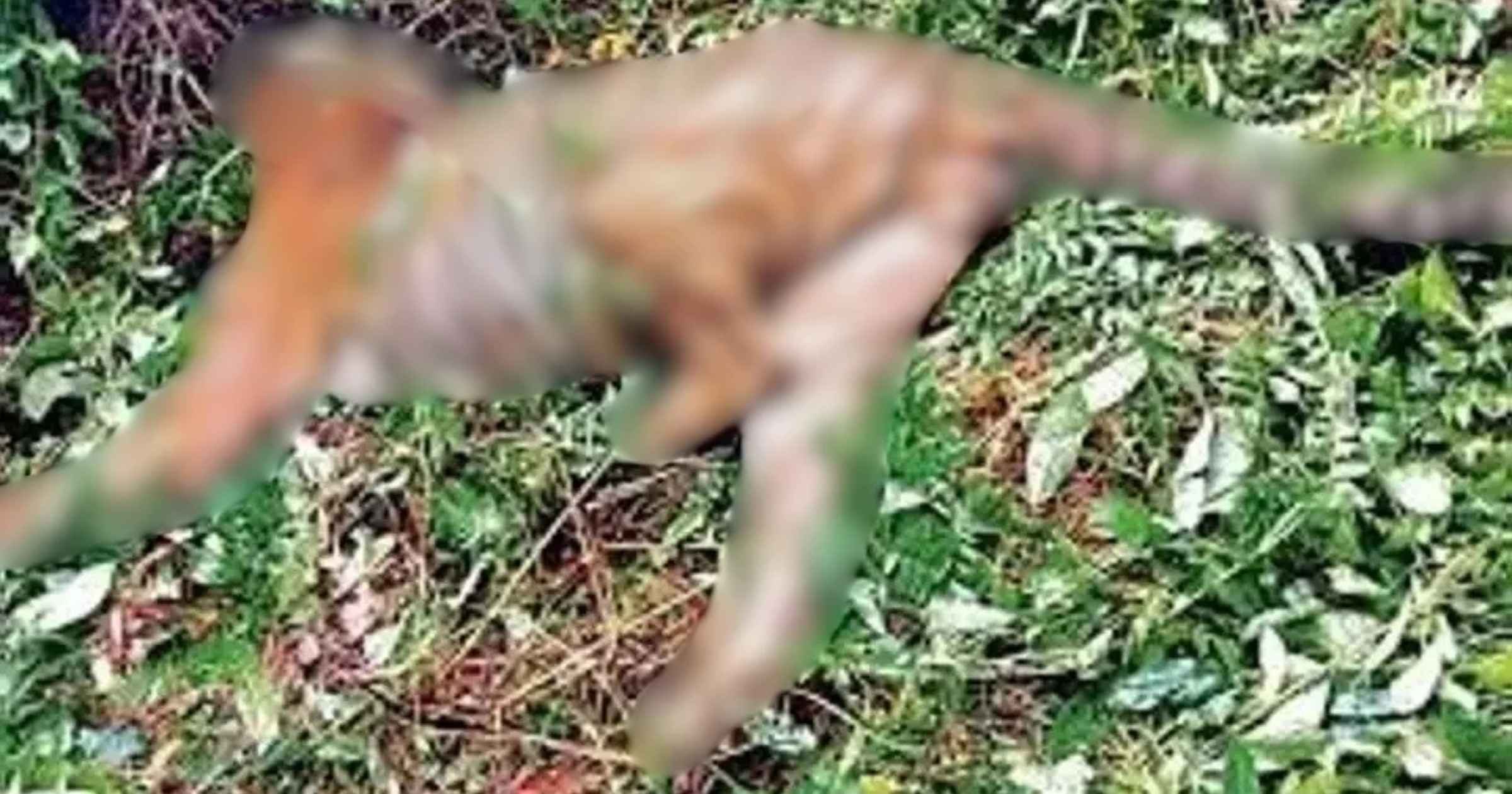
Five months after the decomposed carcass of a young tiger was found in the forests of Aglote village in Dharbandora, the cause of its death remains unknown, with the Forest Department yet to make public the post-mortem findings and subsequent investigation report.
Post-mortem findings
The tiger was found dead on May 2, prompting the department to launch a combing operation and initiate an investigation. Officials had then said preliminary indications suggested that the animal may have died of natural causes.
On May 3, an expert committee led by the National Tiger Conservation Authority (NTCA) conducted a post-mortem examination. However, the findings remain undisclosed, even five months after the incident.
Questions over silence
Environmental activist Rajendra Kerkar questioned the continued silence surrounding the case, pointing out that the department had earlier stated that evidence collected from the decomposed carcass was sent to the Wildlife Institute of India (WII), Dehradun, for further examination.
“After five months, no information about the findings pertaining to the dead tiger has been made public. What is there to hide? Why is the Forest Department not revealing the cause of death after initially claiming that it appeared to be natural?” Kerkar asked.
He accused the department of withholding crucial information and lacking transparency in handling the case. He also criticised senior forest officials for failing to address public concerns over the incident.
“The public deserves to know the truth behind the tiger’s death,” he said.
No agency update
Forest Department sources, meanwhile, said the department had received no communication from either the NTCA or the WII regarding the findings.
“A report was submitted to the government based on the NTCA’s preliminary findings. However, following that, there has been no update from either agency,” sources said.
History of tiger deaths
The absence of a conclusive public account comes against the backdrop of previous tiger deaths in Goa. In 2020, five tigers — an adult female and her four sub-adult cubs — were found poisoned in the forests of Sattari taluka. Goa had earlier recorded its first tiger killing case in 2009.
Following the 2020 deaths, the NTCA warned that failure to notify a tiger reserve in Goa could turn the State into a “death trap for tigers”. The authority has repeatedly recommended the declaration of a tiger reserve in Goa.
Reserve proposal pending
Last year, the Central Empowered Committee (CEC) of the Supreme Court proposed notifying a 468.60-sq-km tiger reserve in protected forests in the first phase. The matter remains pending before the apex court.
With the post-mortem findings and investigation into the Aaglot tiger’s death still undisclosed, questions remain over when the circumstances surrounding the animal’s death will be established and made public.


