


Fr Bolmax Pereira was widely regarded as one of Goa’s most dynamic and people-oriented priests, remembered for his dedication to youth, agriculture, environmental conservation, and community service. His life reflected a rare combination of spirituality, academic excellence, social commitment, and deep concern for the cultural and ecological heritage of Goa.
Early life and education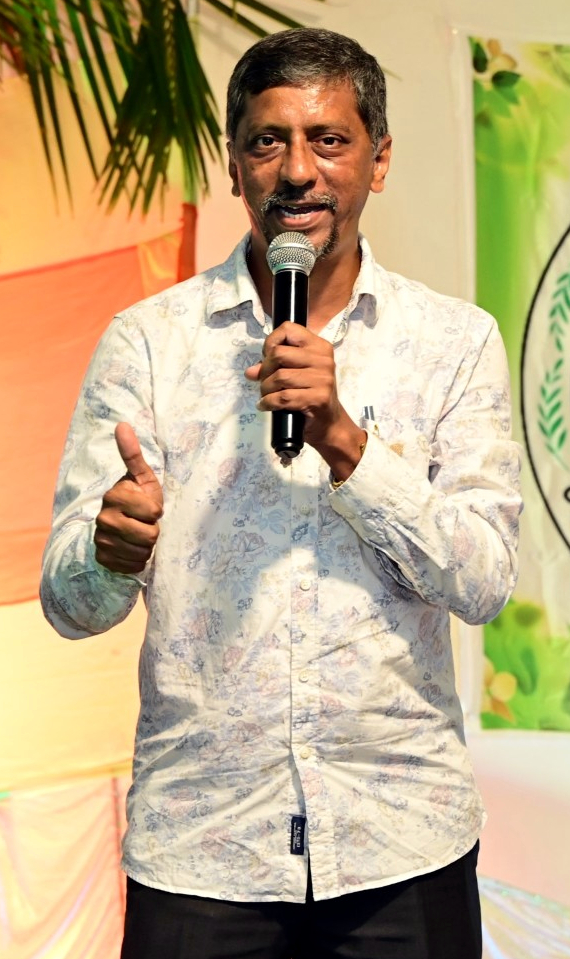 Fr Bolmax was born April 24, 1976, in Quepem, into a humble farming family. His parents were agriculturists, and their close connection with the land deeply influenced his lifelong love for nature, farming, and environmental protection. Growing up amidst agricultural surroundings helped shape his belief that preserving Goa’s identity was closely tied to protecting its environment and traditional village life.
He was one of five siblings and often credited his mother as the inspiration behind his decision to join the priesthood. At a young age, he entered the seminary in 1989 while studying in Standard 8 at Saligao Seminary. He later continued his education at St Xavier’s Higher Secondary School and St Xavier’s College in Mapusa, where he studied Botany. He subsequently pursued Philosophy and Theology at the historic Rachol Seminary.
Academically inclined and passionate about environmental studies, Fr Bolmax pursued higher education alongside his pastoral responsibilities. He earned a Master’s degree in Ecology and Environment from Sikkim Manipal University and later completed a PhD in Botany from Jodhpur National University in 2017. His doctoral research focused on wetlands in Goa, reflecting his commitment to ecological conservation and sustainable development.
Priesthood and Pastoral Ministry
Fr Bolmax Pereira was ordained as a priest for the Archdiocese of Goa and Daman in 2004 with other eight priests at Bom Jesus Basilica, Old Goa. Throughout his priestly ministry, he served in several parishes as assistant to the Parish Priests across Goa, including Fatorda,(2004-05) Mapusa (2006-07), Loutolim (2009-13), Agassaim (2013-15), Nerul (2015-19 as Parochial Administrator), Prefect of Saligao Seminary (2007-09), Parish Priest at Chicalim (2019-2026) and Convenor for the Diocesan Centre for Ecology (2022-2026).
He became especially popular among young people because of his cheerful personality, approachable nature, and practical style of ministry. Parishioners and friends often described him as humorous, energetic, and deeply connected with the youth. He loved football, music, playing the guitar, and organising youth-centred activities that encouraged participation and leadership.
Fr Bolmax was known for his love of singing, playing the guitar, and participating in musical programmes organised by the Church and youth groups. They planned various trips to the UK and other parts of India. His involvement in the Priests’ Band reflected his belief that ministry should go beyond traditional preaching and should engage people through creativity, fellowship, and cultural activities.
The Priests’ Band ministry in Goa brought together priests who shared musical talents and used music as a tool for evangelisation, social awareness, and community bonding. Fr Bolmax’s energetic presence, cheerful nature, and stage confidence made him a popular figure during performances and parish events. His musical abilities helped him build close relationships with young people, many of whom viewed him not only as a priest but also as a mentor and friend.
Fr Bolmax strongly believed that priests should work alongside young people rather than dominate them. He once remarked that priests should not be “bossy” with youth but should function “as one among them.” This philosophy earned him admiration among Goan Catholic youth groups and made him one of the most relatable priests of his generation.
Academic, environmental contributions
Alongside his priestly duties, Fr Bolmax also served as Assistant Professor of Botany at St Joseph Vaz College, Cortalim. His academic background strengthened his environmental advocacy, and he gradually emerged as a strong ecological voice in Goa.
He actively promoted wetland conservation, organic farming, sustainable agriculture, and ecological awareness. As convenor of the diocesan ecology commission, he worked closely with youth groups and local communities to encourage environmental restoration and responsible land use.
Fr Bolmax consistently emphasised the importance of protecting Goa’s natural resources and warned against the neglect of agriculture and traditional village ecosystems. He believed that environmental conservation was not merely a scientific responsibility, but also a moral and spiritual duty.
Work with youth and agriculture
One of Fr Bolmax’s most impactful initiatives emerged during the COVID-19 pandemic while serving as parish priest of St Francis Xavier Church in Chicalim. Concerned about abandoned agricultural lands and growing dependence on external resources, he inspired local youth to return to farming and revive traditional agricultural practices.
Under his leadership, thousands of square metres of unused land were brought back into cultivation. Young volunteers worked together to grow paddy and organic vegetables, promoting self-reliance and sustainable living. Fr Bolmax himself participated in farming activities, often working directly in the fields alongside the youth.
His agricultural movement highlighted the idea of “Atmanirbhar” or self-sufficiency and encouraged young Goans to reconnect with their villages, culture, and environment. Through these efforts, he successfully combined spirituality, social responsibility, and ecological awareness.
Recognition, appreciation
In recognition of his contributions to social service and environmental activism, Fr Bolmax Pereira received the Karmaveer Chakra Award (Silver) in 2023.
People’s priest
Fr Bolmax Pereira is remembered as a people’s priest who combined faith with action. His legacy lives on through the many young people he mentored, the environmental causes he championed, and the agricultural revival initiatives he inspired. To many in Goa, he remains a symbol of compassion, service, ecological responsibility, and dedication to community welfare.
(The writer is Director, Diocesan Centre for Lay Apostolate)


