MAPUSA
With the Assembly elections only a few months away, a series of major power and drinking water infrastructure projects across the Bardez coastal belt are nearing commissioning, bringing long-pending civic concerns into focus at a politically significant juncture.
GSIDC chairman and Calangute BJP MLA Michael Lobo has announced that key projects addressing power fluctuations, outages and water shortages in Calangute, Saligao, Siolim, Anjuna and Assagao are expected to become operational or be inaugurated over the next two months.
The concentration of project milestones in the run-up to the elections raises a pertinent question: are these long-awaited infrastructure upgrades simply reaching completion on schedule, or does their inauguration now also serve an important electoral purpose?
The projects will benefit several coastal villages represented by Lobo himself, his wife and political associates, lending added significance to the timing of the announcements.
Major projects near commissioning
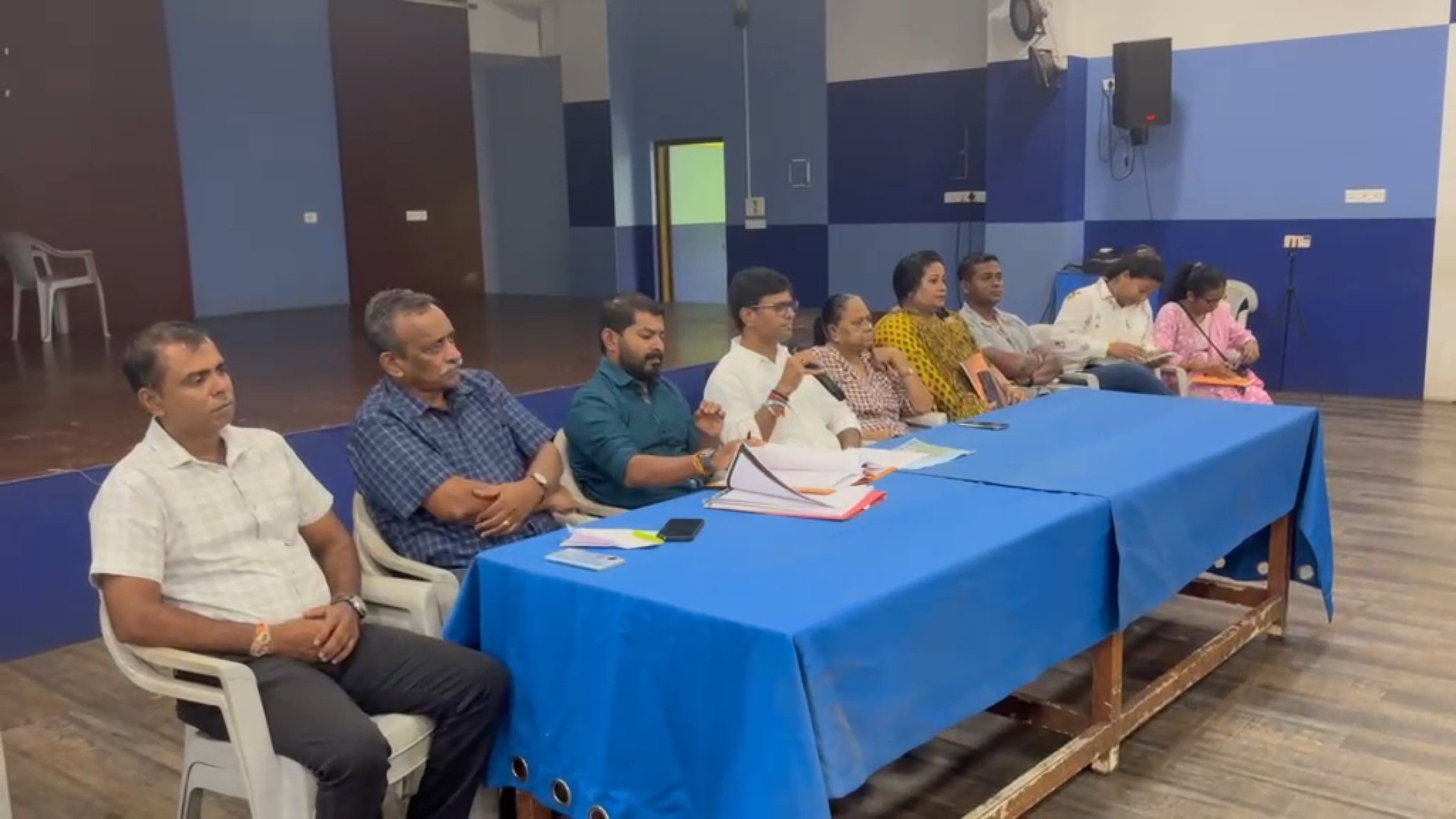
Speaking to journalists on the sidelines of an event, Lobo said the Calangute power substation, built at an estimated cost of Rs 390-400 crore, was complete and would be inaugurated towards the end of October or in the first week of November.
The 220/33 kV high-tension transmission line connecting Colvale directly to Calangute has also been completed. The infrastructure is expected to strengthen power supply across the coastal belt, which has long faced complaints of voltage fluctuations and interruptions, particularly during periods of heavy demand.
Calangute substation for power supply
The project also includes underground 11 kV cabling along vulnerable roadside stretches, besides the construction of substations wherever required, to improve the reliability of the distribution network.
On drinking water, Lobo said a 6 million litres per day (MLD) treatment plant had already been commissioned and was supplying water to Siolim, Anjuna and Assagao. Work on an additional 10 MLD facility at the same location is progressing, which would take the total treatment capacity to 16 MLD.
Water capacity to rise to 16 MLD
Together, the power and water projects represent a substantial infrastructure push in a belt that faces mounting pressure from tourism, commercial activity and residential growth.
However, the political significance of the announcements cannot be divorced from their timing. With the next Assembly election approaching, the coming weeks could see a succession of inaugurations and commissioning ceremonies for projects that address everyday concerns of residents.
Performance will be the real test
The immediate test will be whether the infrastructure translates into a sustained improvement in electricity reliability and drinking water supply, rather than merely marking the completion of construction works.
For residents who have endured years of power disruptions and water shortages, the real measure of these projects will be their performance on the ground.