


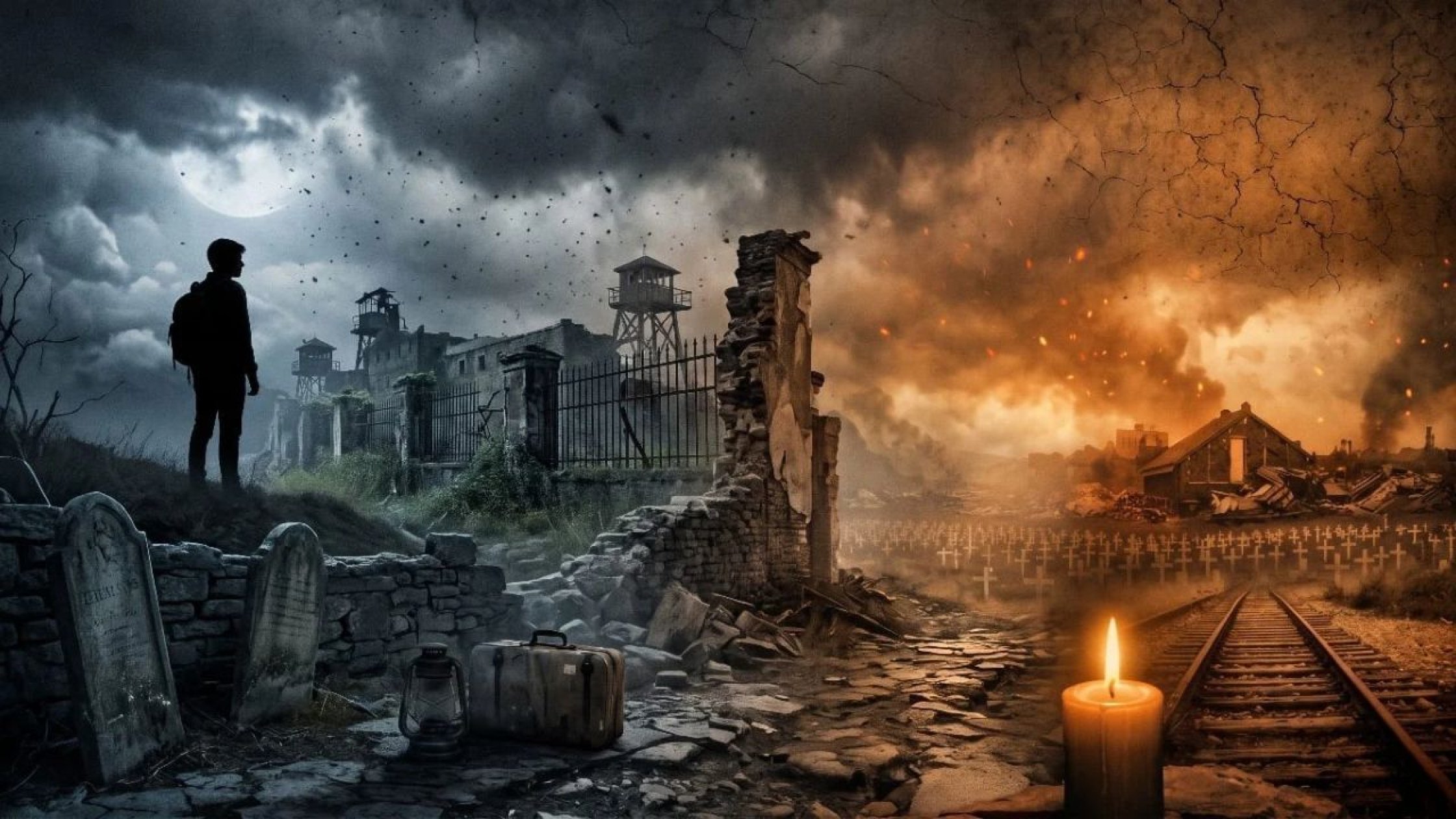
PANAJI: From abandoned forts and haunted villages to notorious crime scenes and sites of historical suffering, dark tourism is drawing travellers seeking experiences beyond conventional holidays. But as the industry grows, so do questions about the commercialisation of tragedy.
Forget beach holidays and leisurely resort stays. A growing number of travellers are choosing destinations associated with death, destruction, crime and tragedy. From exploring abandoned villages to visiting notorious murder locations, these unconventional trips are part of a growing travel trend known as dark tourism.
One of its more controversial expressions is the ‘slaycation’, a term used for holidays centred on murder locations and crime-related experiences. Once largely associated with history enthusiasts and visitors paying tribute to victims, dark tourism has evolved into a wider market driven by curiosity, popular culture and the search for unusual experiences.
According to industry estimates for 2026, the global dark tourism market is valued at approximately $35 billion, with projections suggesting it could exceed $46 billion by 2036.
What makes tragedy a travel attraction?
While conventional tourism revolves around relaxation and recreation, dark tourism offers encounters with places that evoke fear, sadness, shock and curiosity. Some visitors seek to understand historical events and connect with the experiences of those who lived through them. Others are drawn by abandoned structures, unexplained incidents and notorious criminal cases.
Social media has further fuelled the trend. Videos featuring abandoned buildings, supposedly haunted locations and infamous crime sites attract attention on Instagram, YouTube and TikTok, encouraging others to visit. Streaming platforms have also renewed interest in locations associated with historical events and criminal investigations. HBO's Chernobyl, for instance, brought renewed attention to the exclusion zone, while true-crime documentaries have helped popularise crime-related walking tours.
India's growing interest in dark tourism
With its layered history, colonial past, abandoned settlements and folklore, India offers several destinations that fit within the dark tourism spectrum.
Rajasthan's Bhangarh Fort, surrounded by legends of curses and paranormal activity, attracts visitors curious about its reputation. The abandoned village of Kuldhara draws tourists interested in its history and the stories surrounding its abandonment.
In Maharashtra, Pune's Shaniwar Wada is associated with ghost stories and local folklore, attracting visitors interested in the supernatural. Travel vlogs and paranormal investigations have further increased the visibility of such destinations.
Beyond ghost tourism, India also has sites that offer a more serious engagement with historical suffering. The Cellular Jail in the Andaman and Nicobar Islands remains an important reminder of the hardships endured by Indian freedom fighters under British colonial rule. Such destinations demonstrate that dark tourism also encompasses places that preserve difficult histories and encourage reflection.
From memorials to murder tours
Dark tourism covers a broad range of experiences. At one end are memorials and sites of mass tragedy, including Auschwitz-Birkenau, the Hiroshima Peace Memorial and the 9/11 Memorial, where visitors seek remembrance and historical understanding.
Historical prisons such as Alcatraz in the United States and Tuol Sleng in Cambodia offer insight into incarceration, violence and political oppression. Disaster tourism includes destinations such as Pompeii and Chernobyl, which attract visitors interested in the aftermath of catastrophic events.
At the more commercial end are crime tours, murder-site visits and slaycations, where the attraction can shift from historical learning towards entertainment and morbid curiosity.
The ethics of turning tragedy into tourism
As dark tourism becomes more commercially attractive, questions about its ethical boundaries are becoming harder to ignore.
Supporters argue that responsible tourism helps preserve historical sites, supports local economies and ensures significant events are not forgotten. Museums, memorials and guided visits can encourage a deeper understanding of history and its human consequences.
Critics, however, caution against turning human suffering into a commercial spectacle. Concerns arise when visitors use memorials as casual selfie backdrops or when crime tours sensationalise perpetrators while giving little attention to victims and their families.


