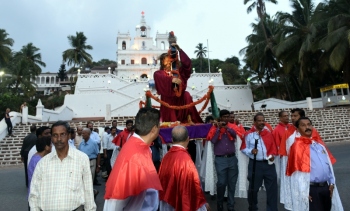
In Goa, Ram Navami brings communities together to cradle the infant Ram idol, sing bhajans, and celebrate devotion”sometimes inspiring journeys all the way to Ayodhya, Lord Rama’s birthplace
For generations, Lord Rama has lived in collective memory through stories at home, temple recitations, and lessons from the Ramayana. More than a deity, he embodies ideals ” a devoted son, just ruler, steadfast companion, and a source of strength in uncertain times.
Ram Navami, marking his birth, falls on the ninth day of Chaitra Maas, the first month of the Hindu calendar (March“April), and is celebrated across India. In Goa, the festival brings communities together in devotion, highlighted by the noontime ritual of cradling the infant Ram idol, along with traditional festivities that blend faith with a strong sense of togetherness.
This deep-rooted devotion is now taking monumental form in Goa. A towering 77-foot bronze statue of Lord Rama, hailed as Asia’s tallest, was recently unveiled at the historic Shree Samsthan Gokarn Partagali Jeevottam Math in Canacona. Created by renowned sculptor Ram V Sutar to mark the Math’s 550-year legacy, it has emerged as a major spiritual landmark, reinforcing the epic’s cultural presence in the region.
While local landmarks continue to draw devotees, Lord Rama’s birthplace, Ayodhya, is increasingly part of travel conversations in Goan households. No longer just a scriptural symbol, it is now seen as an accessible and well-organised pilgrimage. The January 2024 consecration of the Ram Mandir marked a turning point, transforming Ayodhya into a must-visit destination for devotees.
Ayodhya in the epic is described as a flourishing city on the banks of the Sharayu ” expansive, carefully laid out, abundant with markets, gardens, artisans, scholars, and people from varied walks of life. The city, a royal capital then, was a place of order, hospitality, and civic vitality. That description offers an interesting resonance today, as travellers returning from modern-day Ayodhya often speak not first of ritual, but of discipline, infrastructure, and an unexpectedly organised city.
Pilgrimage through private travel agencies
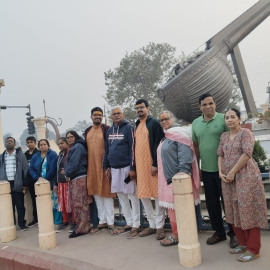
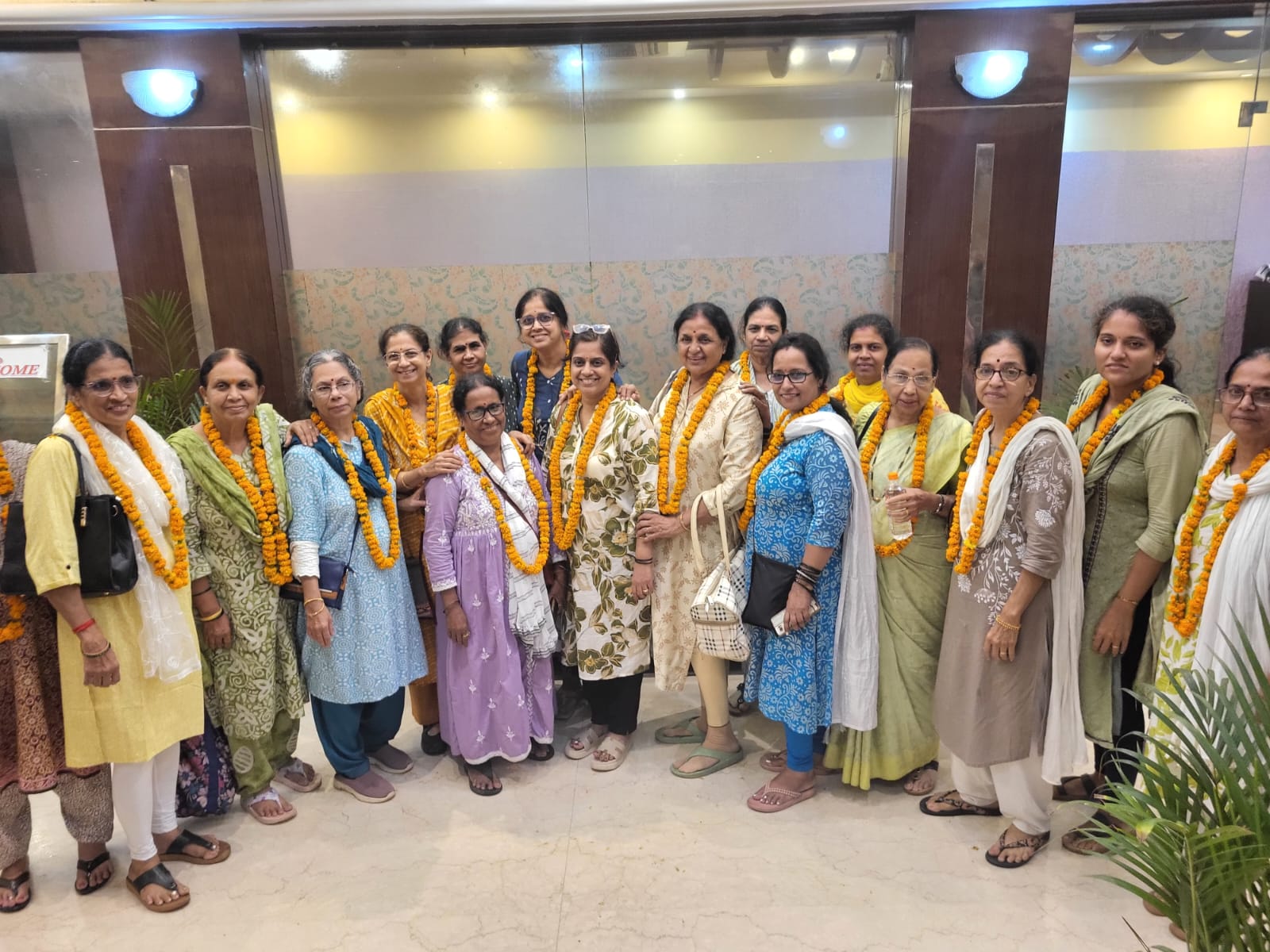
For Yatrik Travels, which has organised pilgrimage tours for decades, Ayodhya was not always part of the itinerary. “We have been running package tours for 35 years and taking people to Kashi for nearly 30 years. Our first Varanasi tour was in 1992,” said Hemant Kirtani, founder of the agency. “Earlier, Ayodhya was not included because infrastructure was limited.” That changed after the consecration of the Ram Mandir. “Since then, we have handled around 25 groups,” he said.
The change, according to him, is visible not only in numbers but in who is travelling. “Earlier, it was mostly senior citizens. Now we see younger people in their thirties and forties.”
The current package generally combines Prayagraj, Varanasi, and Ayodhya over seven to ten nights, with most travellers preferring flights. “Almost 95 per cent ask for flights,” he said. “The average package costs between Rs 30,000 and Rs 40,000 per person, with groups of around 35.” The agency arranges accommodation, transport, sightseeing, vegetarian meals, and even carries its own cooking equipment and a cook to maintain food consistency during the trip.
According to him, what takes people there is no longer singularly devotional. “It is bhakti and leisure together,” he said. “People want darshan, but they also want to experience the place.”
Mohandas Lawande, a senior citizen from Marcel, who travelled through Ashtavinayak Travels in February last year, a month after the temple consecration, described a six-day journey that began by flight to Varanasi and continued by road to Ayodhya.
“At that time, many hotels and facilities were still developing, but despite the rush, arrangements at the temple were systematic,” he said. What stayed with him most was the orderliness of the city. “Everything looked clean. Shops were disciplined, hoardings were standardised, and even with the crowd, movement was managed well.”
He recalled that the shrine remained visible from 50-100 metres. “As the queue moves forward, your gaze stays fixed on the idol. Lord Rama is clearly visible from a distance, the wait itself becoming part of the darshan. “I definitely feel like visiting again,” he added.
Government scheme opening the route
Alongside private travel agencies, Goa’s Mukhyamantri Dev Darshan Yatra Yojan offers free pilgrimage trips to Ayodhya to those who may not have planned such a journey independently.
Chinmay Gadgil, a beneficiary from Goa who travelled to Ayodhya under the scheme described the journey as his first visit and one that became possible only because of it. “Visiting the temple was emotional and a proud moment,” he said, adding that the arrangements made the travel easy because “everything from travel to return was organised.”
What stayed with him as much as the visit itself was the journey shared with fellow travellers. “We had a big crowd together. We sang bhajans on the train journey and had a lot of fun. It gave me the experience of travelling across states, meeting different people, and tasting food from different regions,” he said.
His group included travellers of different ages, and while he described the first visit as a once-in-a-lifetime moment, he added that returning now feels natural. “Once you visit, you feel like going again.”
Perhaps what is shifting is not simply pilgrimage, but the way Ayodhya is entering contemporary travel imagination.
Lord Rama endures because each generation finds new meaning in him ” courage in hardship, clarity in conflict, and resilience in carrying emotional burdens. Described as calm, truthful, and committed to people’s welfare, his ideals remain culturally intimate beyond ritual.
As Ram Navami returns, celebrations in Goa begin at home and in temples, but increasingly extend to journeys, with many undertaking, or planning, a pilgrimage to Ayodhya.