Goa has been witnessing a deeply concerning rise of oral cancer cases. Once considered a disease primarily affecting older demographics with heavy tobacco habits, oral cancer is now knocking on the doors of younger patients. Recognizing the signs and knowing how to respond is crucial in recovery and for survival
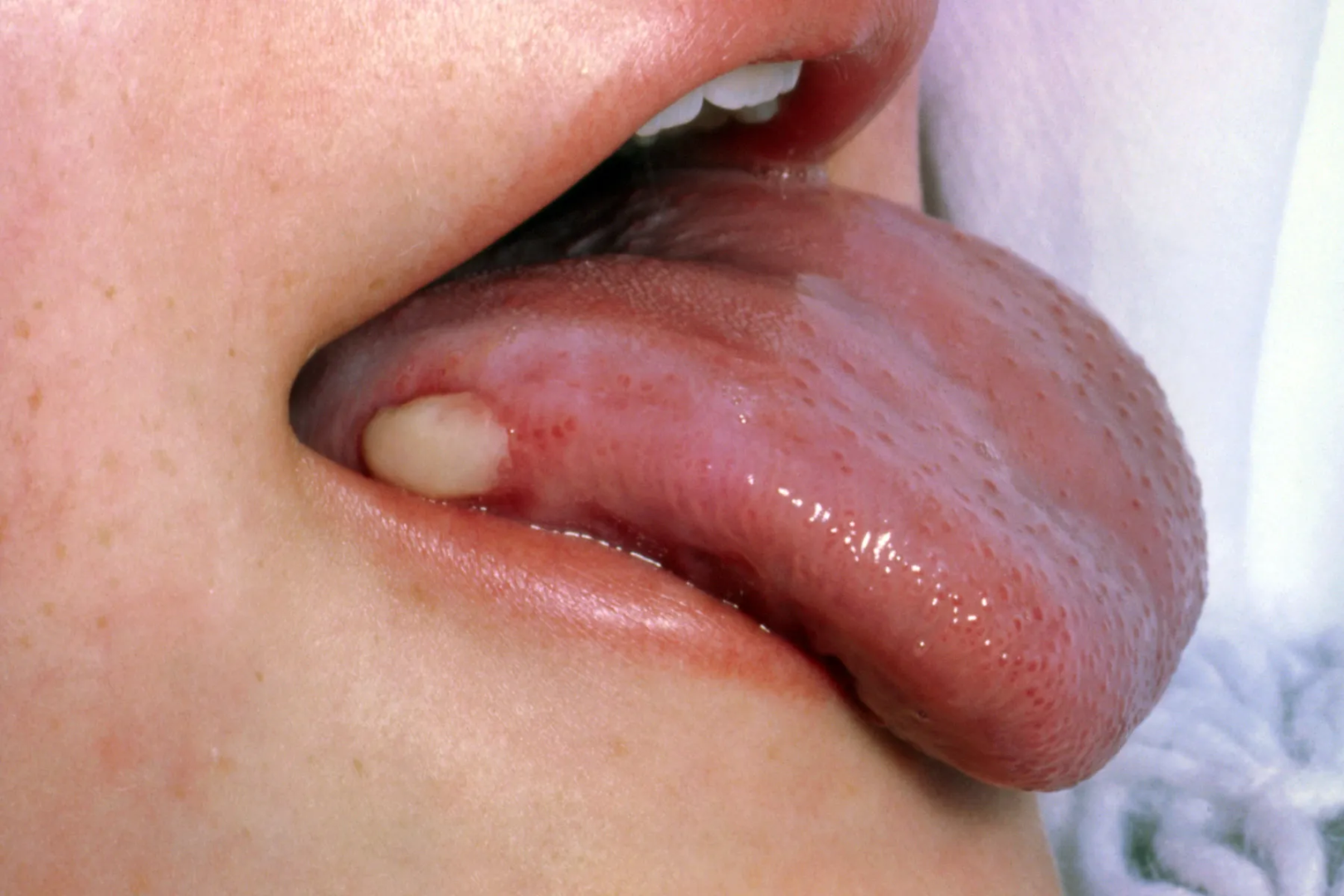
Oral cancer is an aggressive disease that is caused when, at a microscopic level, the DNA of normal cells get damaged. This damage causes the cells to multiply uncontrollably, eventually forming a malignant tumour. This, however, does not happen overnight. The most concerning part of the rising incidence is that many people seek medical professional help when the disease is already in an advanced stage.
While traditional risk factors like chewing tobacco, smoking, areca nut and heavy alcohol consumption remain the leading culprits, there are other causes and triggers too, as clinical data and surgical realities reveal. We thus need to learn how to look for the highly visible red flags.
One red flag is the constant bruising of your tongue or cheek from rubbing against a sharp broken tooth, a rough filling or an ill-fitting, loose denture or cap. Over time, this repeated injury can trigger a dangerous cancerous tumour. Furthermore, low systemic immunity, resulting from chronic illnesses or viral infections such as the Human Papillomavirus (HPV), compromises the body's natural defences, making it significantly harder for the immune system to recognise and destroy early cancer cells before they multiply.
While early signs can often be mistaken for ordinary mouth ulcers or simple friction burns, prolonged exposure and neglecting the symptoms can worsen the disease. Therefore, if any unusual change in your mouth persists for more than 14 days, it should cause concern (the ‘2-Week Rule’). You must stop guessing, stop self-medicating and seek immediate professional help as this highly treatable, localized patch can grow into a severe, life-threatening medical emergency.
If not diagnosed and treated quickly, the long-term impact on a patient’s life can be very harsh with far more aggressive surgeries and complex, long-term rehabilitation. Advanced tumours begin to grow into the muscles of the jaw, the tongue and even the lymph nodes of the neck. Conversely, when oral cancer is caught in its earliest stages, the treatment remains highly localized and minimally invasive, yielding long-term survival and success rates that exceed 80 to 90 per cent. Early intervention therefore also preserves your appearance, your ability to speak clearly and your capacity to swallow normally.
Prevention and early detection requires a combination of proactive lifestyle adjustments and regular self-awareness. Protecting yourself from oral cancer requires a simple commitment: spending just two minutes once a month in front of a well-lit mirror performing a comprehensive oral self-examination to look for abnormal changes like any colour changes in the mouth, feel for thickening of the tongue, gum or cheek tissue and inspect areas like the under the tongue and the roof of the mouth. Additionally, maintaining routine dental visits to smooth down sharp teeth and managing systemic health can significantly minimize underlying risks.
Ultimately, navigating the rising threat of oral cancer requires a proactive mindset. By maintaining your oral health, recognizing the earliest warning red flags and ensuring that you and your family perform the routine monthly checks, we can fight the disease effectively. Your oral health is quite literally in your own hands—take two minutes to look inside today.
======================================
Box 1
Signs indicative of oral cancer
Any unusual coloured red or white patches on your tongue, gums or cheeks that do not go away.
A mouth ulcer, blister or sore skin that just refuses to heal within two weeks.
New lumps, bumps, strange hardness, thickening or swelling in your mouth, jaw or neck.
Restriction, stiffness or pain when trying to open your mouth wide or a persistent, unexplained ear pain.
==============================================
Box 2
Self-examination and other tips
Perform a 2-minute oral self-examination monthly in front of a mirror. Check lips, gums, cheeks, tongue, palate and the floor of the mouth. Feel for lumps and look for discoloration.
Schedule a dental visit immediately if you feel a sharp, broken tooth or a rough dental restoration to prevent chronic irritation.
Limit or completely avoid the use of tobacco (chewing and smoking), areca nut and excessive alcohol consumption.
Consult an oral oncology specialist or maxillofacial surgeon if any ulcer or discoloration lasts longer than 14 days or if you notice unexplained ear pain.
(The writer is a consultant maxillofacial surgeon and specialist in oral cancer surgery at Healthway Hospitals Goa)