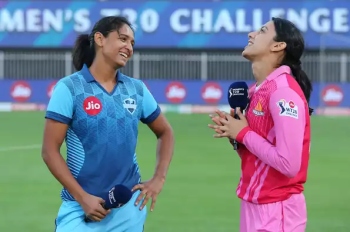
2023 is set to go down in history as a game-changing year for women's cricket. Like the Indian Premier League (IPL) revolution of 2008, the Women's Premier League (WPL) is set to change the landscape of the women's game dramatically as suggested by the record numbers it has already raked in with a combined valuation of Rs 4,669.99 crore from the bids for five franchises. Before the team bids, the BCCI sold the media rights of the new women’s league to Viacom18 for Rs 951 crore, getting a Rs 7.09 crore per match value for five years.
The numbers are mind-boggling with BCCI secretary Jay Shah claiming that WPL is the second-highest valued league in cricket after the IPL. With the title sponsorship rights up for grabs and the official sponsors also not finalised, the estimation of the tournament is expected to rise further from its current $690m.
The WPL is the latest in the list of mushrooming T20 leagues in the world, belatedly joining the pioneering Women’s Big Bash League (WBBL) in Australia and the women’s Hundred in England. However, by comparison, it is already the biggest in women's cricket with a salary cap per team of Rs 12 crore, more than almost 15 times the figure in the Women’s Big Bash League. Naturally, the announcement of the inaugural league to be played in a tight 21-day window “ March 4 to 24 “ starting six days after the Women’s T20 World Cup ends in South Africa, has women cricketers across the globe excited. Also, it comes after a long wait of 15 years for the Indian women after the men's IPL took off in 2008, forever changing the sport globally with big paycheques for the players.
The birth of the WPL also comes at a time when Indian women's cricket is finally realising its ambition of global domination. After decades of mediocrity, the Indian women's team has gradually risen in stature in recent years, finishing as semifinalists and finalists in the last two editions of the T20 World Cup. The title triumph of the junior team in the inaugural U-19 Women's World Cup in South Africa has added to the euphoria and the feel-good atmosphere surrounding women's cricket in India before the big-ticket WPL launch. The league will be the best platform for the young starlets from the World Cup-winning squad to develop further as India look to close the gap on teams like Australia and England at the senior level in terms of results and global titles.
India's doping problem
The news that India's top gymnast Dipa Karmakar has been serving a suspension for a 21-month period until July after testing positive for use of a prohibited substance has once again brought the serious issue of doping in Indian sport into the spotlight. The Olympian, who famously finished fourth in the women's vault at the 2016 Rio Olympics, is the latest in the list of dope offenders from the country, which topped the infamous World Anti-Doping Agency’s anti-doping testing figures charts in 2021. India could again top that list as there were 123 anti-doping rule violations by Indian athletes last year, according to a statement tabled in the Rajya Sabha by the sports ministry.
To counter this problem, the government needs to put in place an independent robust mechanism for dope testing, coupled with programmes to educate the athletes on the issue. The National Anti-Doping Agency needs to conduct more testing, especially in the off-season to deter athletes from doping. We also have to invest heavily in sports science so that our athletes can be shown the correct path to success, eliminating the shortcut of doping.
While it might not totally eradicate doping in India, these measures can help reduce doping cases. Meanwhile, the government needs to take a call on the demand for legislation that would make doping by sportspersons and any assistance provided to them by their coaches and support staff a criminal offence.