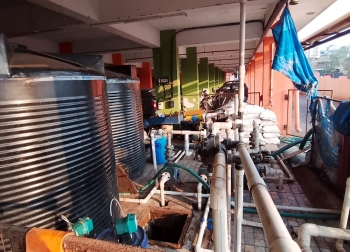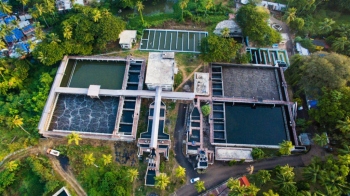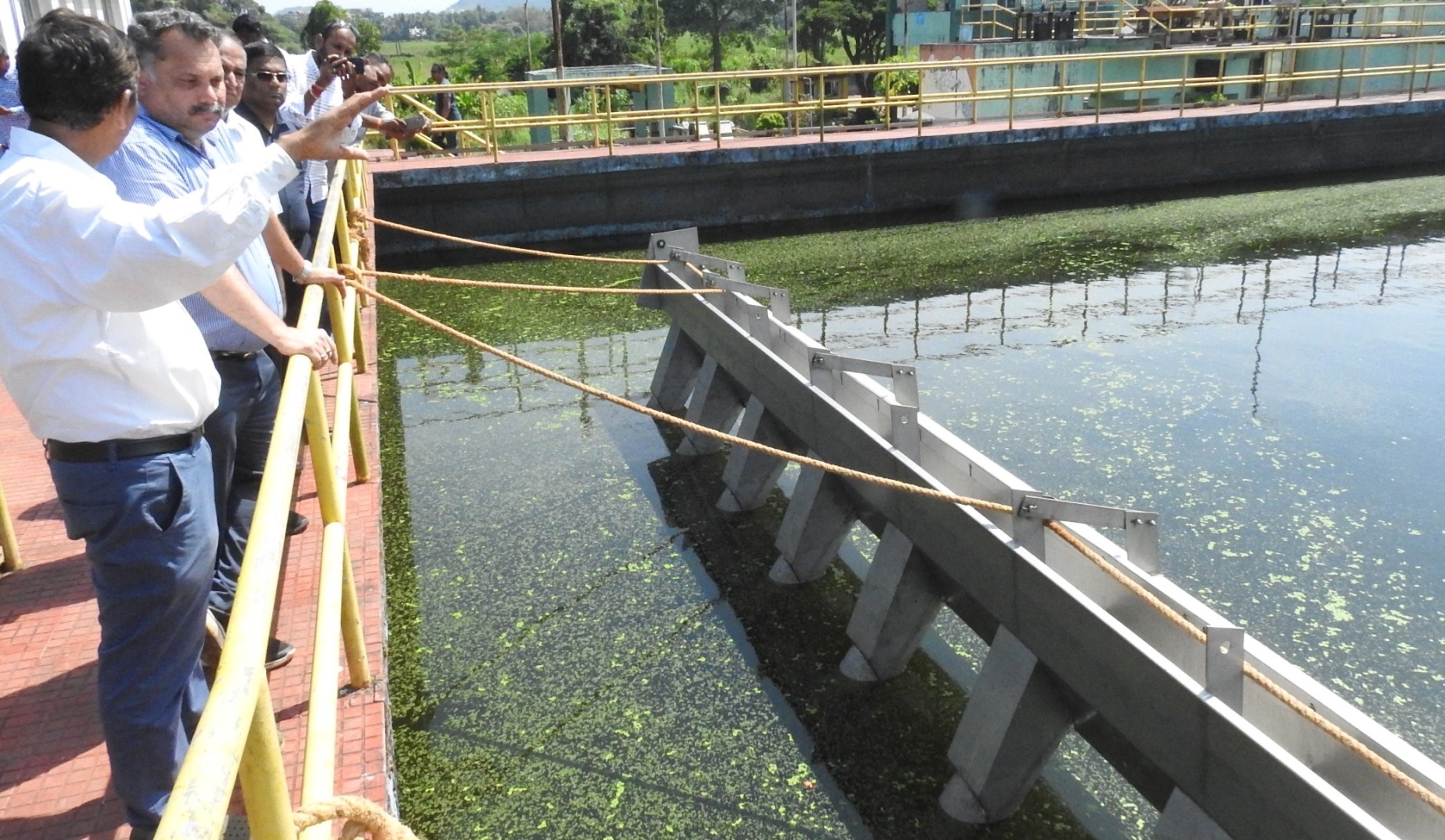
File photo shows former PWD and Environment Minister Nilesh Cabral inspecting the Margao STP at Sirvodem following complaints of untreated sewage discharged in the river Sal on November 2, 2022.
MARGAO
Concerns over the functioning of sewage treatment plants (STPs) have resurfaced following the recent contamination issue at the Dabolim facility, once again putting the spotlight on the STPs in Margao, located along the banks of the River Sal.
For years, residents of Margao and Salcete in general have raised persistent concerns about whether these plants are operating in accordance with prescribed environmental norms. Two key incidents highlight the gravity of the issue.
Past red flags
On November 5, 2022, a public confrontation erupted between then Environment Minister Nilesh Cabral and Benaulim MLA Venzy Viegas after it was revealed that millions of litres of untreated sewage had been discharged from the Margao STP into the River Sal. The MLA, along with concerned citizens, exposed the lapse, prompting a heated exchange. Cabral later acknowledged that untreated sewage had indeed been released, attributing it to an operational fault.
More recently, in January 2025, residents in low-lying areas such as Comba, Calconda and Chinchal faced a severe backflow of sewage from the Margao sewerage plant. The cause was a complete failure of all four pumps at the facility, which took several days to repair. During this period, contaminated water affected wells, forcing authorities to deploy night soil tankers as a temporary relief measure.
Faltering mechanisms
These incidents offer a troubling glimpse into the operational reliability of the Margao STPs. The first of these plants was commissioned on May 30, 2000, coinciding with Goa Statehood Day. However, since its inception, there have been recurring complaints from environmentally conscious citizens and residents living along the River Sal about the discharge of untreated or inadequately treated sewage.
Investigations suggest that operational faults have frequently led to either the release of untreated sewage into the river or sewage backflow into residential areas. This raises a critical question: Is there a robust and continuous monitoring mechanism in place to ensure that treated water meets regulatory standards before being discharged?
Call for real-time oversight
Addressing this concern, Goa State Pollution Control Board (GSPCB) Chairman Levinson Martins stated that officials regularly collect and test water samples from the treated output. According to him, these checks are conducted periodically to ensure compliance with established norms.
However, sources indicate that periodic sampling may not be sufficient. There is a growing demand for the GSPCB to implement an online, real-time monitoring system that can continuously track water quality parameters. Such a system, they argue, would help build public confidence and ensure transparency, particularly given fears that untreated sewage may still be entering the River Sal, widely regarded as the lifeline of Salcete.
The Margao STP complex at Sirvodem currently houses two sewage treatment plants, with an additional 20 MLD facility recently sanctioned to meet increasing demand. Notably, the existing plants have often operated below optimal capacity due to insufficient sewage inflow, except during the monsoon season when rainwater infiltration significantly increases the load.
As concerns mount, the need for improved infrastructure, accountability and real-time monitoring has become more pressing than ever to safeguard both public health and the ecological integrity of the River Sal.