TEAM AUTO I THE GOAN
A car buyer walking into a showroom in India is often faced with a familiar compromise. Spend more for additional safety features, settle for a cheaper variant with fewer features, or stretch the budget to buy a vehicle that offers both comfort and protection. For many households, the decision is shaped as much by affordability as by personal preference.
But when it comes to safety, should a buyer’s budget determine how much protection they receive?
The question has acquired fresh relevance following the Union Ministry of Road Transport and Highways’ proposal to introduce Advanced Emergency Braking Systems (AEBS) in passenger cars in phases. Under the draft rules, the technology would be required in new passenger car models manufactured from October 1, 2030, and in all models from October 1, 2032. The proposal is still subject to consultation and final approval.
The proposed move is significant because it shifts the conversation beyond airbags and seatbelts towards technology that can actively intervene to prevent a collision or reduce its severity. It also raises an important question for the automobile industry: how can advanced safety become a standard expectation rather than a premium selling point?
Safety should not be a luxury
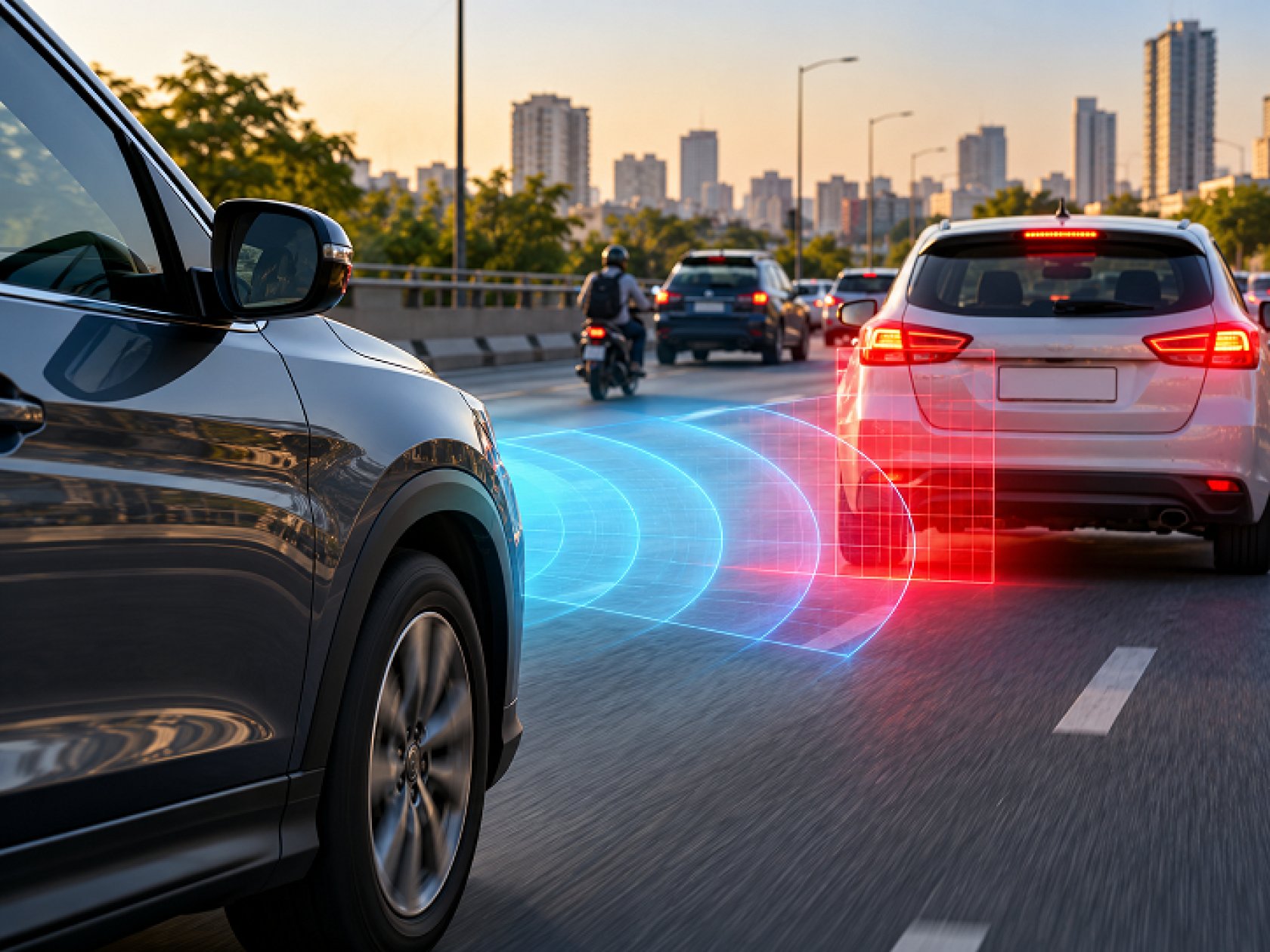
Advanced Emergency Braking Systems use sensors and detection technology to identify a potential collision and apply the brakes when the driver fails to respond in time. Depending on the circumstances, the system can help prevent a crash or reduce its impact.
Such technology is not a substitute for attentive driving, appropriate speeds or safe distances. Sensors can have limitations, and performance varies according to road conditions, visibility and the objects being detected. Nevertheless, an additional layer of protection can be valuable when a driver is distracted or cannot react quickly enough.
India has little room for complacency on road safety. According to government figures, the country recorded 1,77,177 road accident fatalities in 2024. That works out to an average of more than 480 deaths a day.
The numbers underline why vehicle safety cannot be treated merely as a matter of consumer preference. Road design, enforcement, driver behaviour, emergency response and vehicle engineering all contribute to the outcome of a crash. No single technology can solve the problem, but neither should potentially useful safety systems be dismissed as unnecessary extras.
The principle is straightforward: a vehicle should offer a reasonable baseline of protection regardless of whether it is bought by a first-time car owner or someone purchasing a luxury SUV.
Affordability challenge
However, making safety technology compulsory is only one part of the solution. The other is ensuring that the cost of compliance does not make entry-level vehicles significantly less accessible.
India’s automobile market serves consumers across a wide range of incomes. For a family buying its first car, the difference between two variants may already determine whether the purchase is financially viable. An increase in the price of a vehicle, even if justified by additional equipment, can influence the buyer’s decision.
Manufacturers will have to invest in sensors, electronic control systems, testing and validation. The extent of the additional cost will depend on the technology used, production volumes, vehicle architecture and the scale of implementation. It would therefore be premature to assume that the proposed rules will make cars unaffordable.
There is also a counterargument worth considering. When a safety feature becomes standard across a large number of vehicles, manufacturers can spread development and production costs over greater volumes. Technology that is expensive when offered in limited numbers may become more accessible as adoption increases.
This is why the debate should not be reduced to whether safety regulations increase vehicle prices. The more important questions are how much the additional cost will be, how quickly it can come down and whether consumers across income groups will benefit.
A policy that improves safety but places its greatest burden on the least affluent buyers would need careful reconsideration. Equally, affordability cannot become a permanent excuse for withholding useful protection from budget-conscious motorists.
Hidden cost of a cheap car
The purchase price is only one part of the cost of owning a vehicle. A collision can result in medical bills, lost earnings, vehicle repairs and long-term financial hardship. For families without adequate insurance or savings, the consequences can extend well beyond the immediate damage.
It is impossible to calculate the financial benefit of automatic emergency braking for every buyer, and the technology cannot prevent every crash. Yet evaluating safety equipment solely by its effect on a showroom price ignores the potential consequences of a serious collision.
The same principle applies to other established safety features. Seatbelts, airbags and electronic stability control were not introduced simply to make a car more attractive. They are intended to reduce risks that drivers and passengers may otherwise have little ability to control once an emergency occurs.
A lower purchase price is meaningful only if it does not come at an unreasonable cost to occupant protection.
Regulation must go hand in hand with transparency
The proposed emergency braking requirements also present an opportunity to improve how safety is communicated to consumers.
Buyers should be able to compare vehicles on more than engine performance, touchscreen size, sunroofs and connected features. Safety ratings, standard equipment, braking performance and the limitations of driver-assistance systems deserve equal prominence.
Manufacturers, meanwhile, should explain what their systems can and cannot do. Automatic braking should never be marketed in a way that encourages drivers to believe a vehicle can take care of every dangerous situation on its own.
The government must also consider implementation carefully. Clear technical standards, realistic compliance timelines and consistent testing will be essential. Regulators should monitor the effect on entry-level vehicles and encourage competition among manufacturers and suppliers to bring costs down.
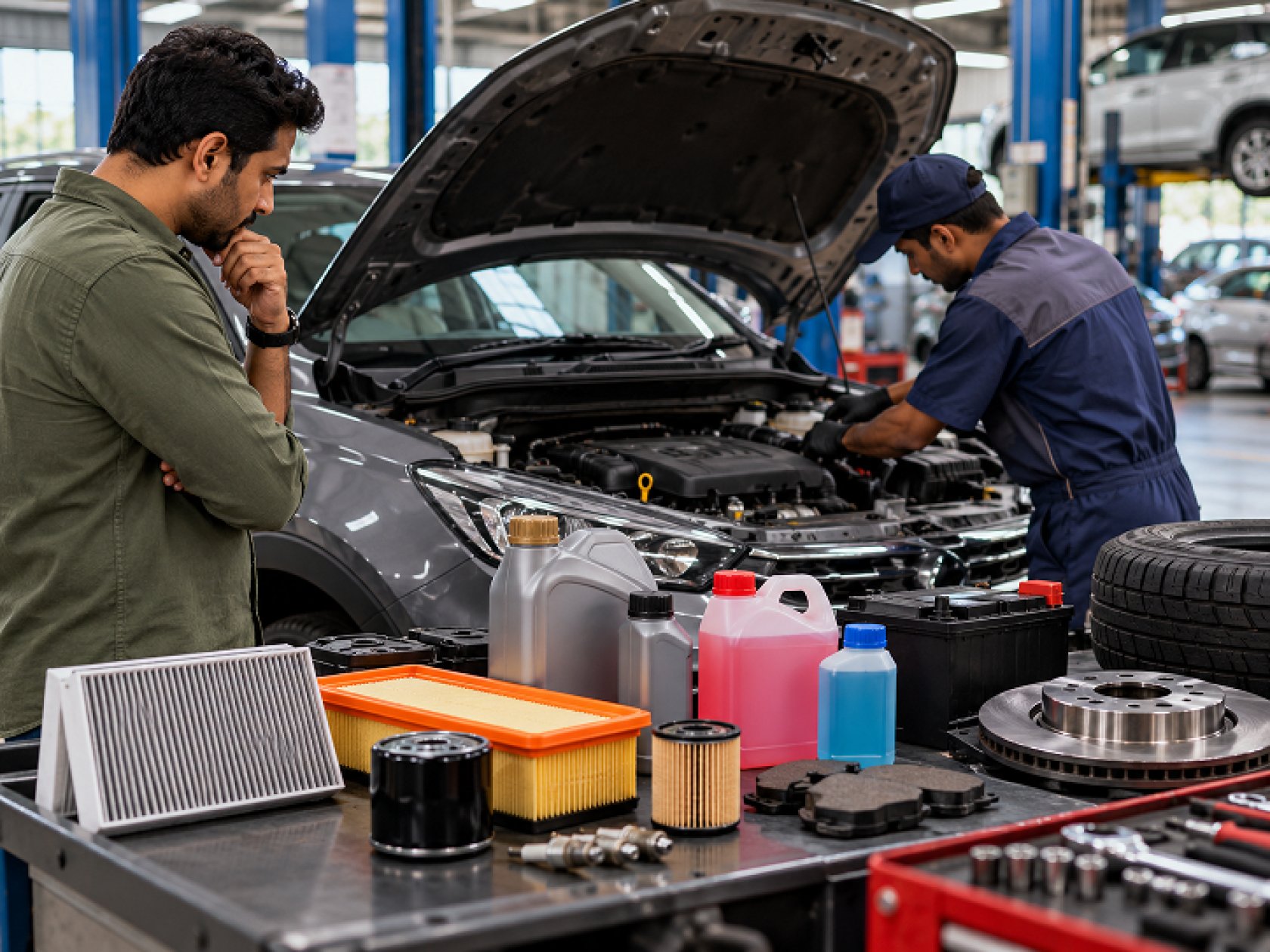
Insurance and repair costs deserve attention, too. Sensors and cameras can require specialist calibration or replacement after a collision. A safety system that helps prevent accidents should not become an avoidable financial burden when it needs servicing.
Safer car should be starting point
India’s automotive industry has made substantial progress in offering consumers more choices across price segments. The next step should be to ensure that the most important aspects of a vehicle are not overshadowed by features that look impressive in a showroom.
Automatic emergency braking will not eliminate road deaths. It cannot compensate for dangerous roads, speeding, poor enforcement or reckless driving. But its proposed introduction offers an opportunity to rethink the minimum safety that motorists should reasonably expect from a modern passenger car.
The industry must find ways to make the technology affordable. The government must ensure that regulations are practical and effective. Buyers must also recognise that safety is not an accessory to be considered only after choosing the colour, entertainment system or trim level.
Ultimately, the measure of progress should not be how much technology a manufacturer can pack into its most expensive vehicle. It should be how effectively essential protection reaches the widest possible range of motorists.
A safer car should not be an aspirational upgrade. It should be the starting point.