The dust of the delayed monsoon has now given way totorrents of rain pouring down since early morning. One needs to drive 87 kmsfrom Pune to Ralegan Siddhi to get a taste of what’s the mood like over therenow that its resident and India’s most well known crusader against corruption,Anna Hazare, has once again gone on an indefinite hunger strike in support ofthe anti-graft Lokpal Bill.
At Ralegan Siddhi, Jaisingh Mapare, a close confidante ofHazare says that the villagers have beentaking out morning rallies to support the agitation and that there would bebatches of the village residents going on hunger strikes. “Every person inRalegan Siddhi believes in what Anna Hazare is doing because he is the man whohas transformed this place from one of inhospitable terrain to that ofabundance. You will never find a village so self-reliant,” he says, as we movethrough the village and he points out the changes that have happened over theyears.
A rather tinyvillage in the district of Ahmednagar in Maharashtra, Ralegan Siddhi is now amodel for various developmental activities. But back in 1975 it was trapped ina web of poverty and illicit liquor trade. “At that time the per capita incomewas as low as Rs 271. To begin with, Anna Hazare donated Rs 3,000 to renovate alocal temple. In that temple he baptised the villagers with his fivecommandments - prohibition, family planning, a ban on open grazing, a ban onfelling trees and voluntary labour. Voluntary labour was necessary to ensureminimum dependence on the government for doles,” explains Mapare.
Work began with the construction of a percolation tankand gradually the seven wells located below it began to fill it with water. Forthe first time since decades, the village had water at the peak of the summerseason. The next task Anna Hazare undertook was to form a group of youth underthe banner of ‘Tarun Mandal’ who, together, worked on banning the dowry system,caste discrimination and untouchability.
“Our biggest enemy at that time was the dependence onliquor. Anna Hazare therefore targeted the liquor distilling units which were removed.The cultivation of water-intensive crops like sugarcane was banned. Crops suchas pulses, oilseeds and certain cash crops with low water requirements weregrown,” Mapare informs. The next goal was to bring in a transparentadministrative system. To this end, all the elections to the local bodies beganto be held on the basis of consensus. “It made the community leaders completerepresentatives of the people,” says Ganpatrao Avti, head of the villagecouncil.
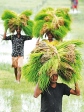
Ralegan Siddhi is an example of how to achieve big thingswith small steps. Today, water is abundant, agriculture flourishes and itsleader is now in Delhi fighting for a change in the country.