


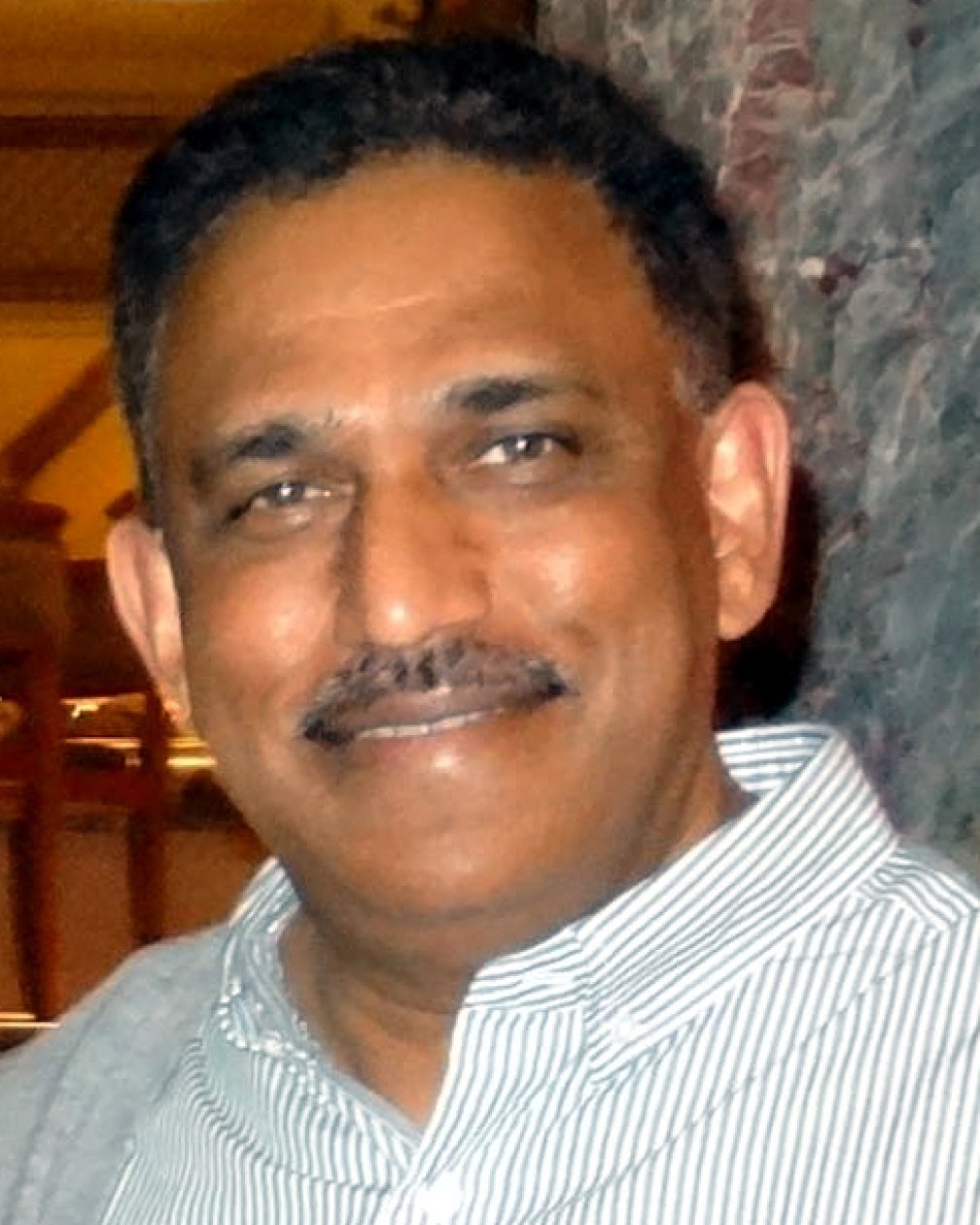
 The writer is professor at Columbia University in the USA who hails from Cortalim
A few weeks ago, the Porvorim elevated corridor was a monument to achievement. There were speeches, drive-throughs, selfies, photographs and congratulations. A project associated with the language of dreams had finally risen above the highway.
Today, the celebrations seem strangely distant. The ministers are back in a huddle, trying to understand what went wrong. And somewhere between those two moments lies a larger story about how Goa builds.
Years ago, when I lived in Japan, I was struck by something that seemed almost excessive at the time: the amount of thought that preceded construction. Before a road was widened, a bridge built or a neighbourhood disturbed, people met. And met again.
Engineers worried about gradients and drainage. Planners studied traffic. Administrators considered how people would enter and leave their homes and businesses. Local communities were heard because they knew things no drawing in a government office could show.
Details were debated until there were few surprises left for the bulldozers or the excavator to uncover. Only later did I understand the wisdom of it.
The most important part of building infrastructure happens before anything is built. There was something else I remember. There were no giant banners or cut-outs of politicians claiming ownership of a bridge built with taxpayers’ money. No faces towering above the people who had paid for it. No need to turn every public work into a political celebration. The achievement was not the ceremony. The achievement was that it worked.
Goa seems to have wandered towards a different philosophy.
Here, the ceremony often comes first. Foundation stones are unveiled. Lamps are lit. Speeches are delivered. Hoardings appear. When the project is completed, people are invited for selfies and free social media publicity, then another stage is erected and another round of congratulations begins. What happens between the two ceremonies, the difficult, unglamorous business of supervision, receives far less attention.
The Rs 641-crore Porvorim elevated corridor should force us to ask whether that culture has finally caught up with us. The corridor was inaugurated on September 9 and opened to traffic shortly afterwards. Within days, following a fatal accident, restrictions were imposed, and serious questions were being raised about traffic movement and safety.
Now a former PWD minister alleges that the original plans were altered. If that is true, Goans deserve more than another round of political finger-pointing. Who altered them? Who authorised the changes? What technical advice supported them? Were the consequences modelled? Were local representatives consulted? Were independent traffic experts asked what those changes would mean for the thousands of Porvorkars who would have to live with them every day? These questions should have been exhausted before the first excavator arrived.
Instead, Rs 641 crore later, we are asking them now. And Porvorim is not an aberration.
Consider Unity Mall. The Centre allocated Rs 100 crore for the project. Our Goa government proceeded with a much larger construction tender at Chimbel, amid fierce local opposition. Eventually they were forced to abandon that location and began looking elsewhere. By March 2026, the government had told the Assembly that Rs 7.1 crore had already been disbursed. Again, the question is not whether Goa should accept money from Delhi.
Of course it should.
The question is whether a central government grant has somehow come to be treated as money that must be spent rather than money that must be spent wisely. Central money is not free money. It comes from taxpayers too: our GST, income taxes, and taxes on even coffins that take people to their graves. Every badly conceived project consumes resources that could have repaired a school, strengthened a hospital, improved water supply, fixed sewage or built infrastructure that communities actually need.
And too often the people who know a place best enter the conversation only when they protest. Local representatives, residents, engineers, environmental scientists and independent planners should be sitting around the table when projects are still lines on paper, not standing outside barricades after excavators arrive.
Panjim’s Smart City should already have taught us this lesson. Years of digging, disruption and repeated questions over coordination showed what happens when grand ambition outruns careful execution.
Yet, the political choreography remains remarkably unchanged. When a project begins, everybody wants the photograph. When it opens, everybody wants the credit. When it fails, everybody wants an alibi. The engineer. The consultant. The contractor. The previous minister. The changed plan. Delhi. Somebody else.
But the government cannot work that way. Ministers who stand together beneath the lights to claim a project as their achievement cannot scatter when the questions begin. If political credit is collective, political accountability must be collective too. Perhaps that is the lesson Goa should borrow from Japan.
And Porvorkars deserve another answer. Who was this enormous corridor ultimately designed to serve? Local residents? Tourist traffic? Airport connectivity? Commercial freight? Coal transportation? Instead of political assurances, publish the traffic projections and freight studies so Goans can see for themselves.
Development is not measured by how quickly an excavator arrives, how large the allocation is, how impressive the inauguration looks or how many political faces appear on a hoarding. It is measured years later, when there are no ministers, no cameras and no ceremonial lamps left to light. There is only the road. And the people who must live with what was built.
The stage cannot belong to everyone, while the failure belongs to no one.


