MARGAO
The National Institute of Oceanography’s report on oyster contamination took centre stage at the gram sabha of Assolna, the riverine village famous for oysters and shellfish.
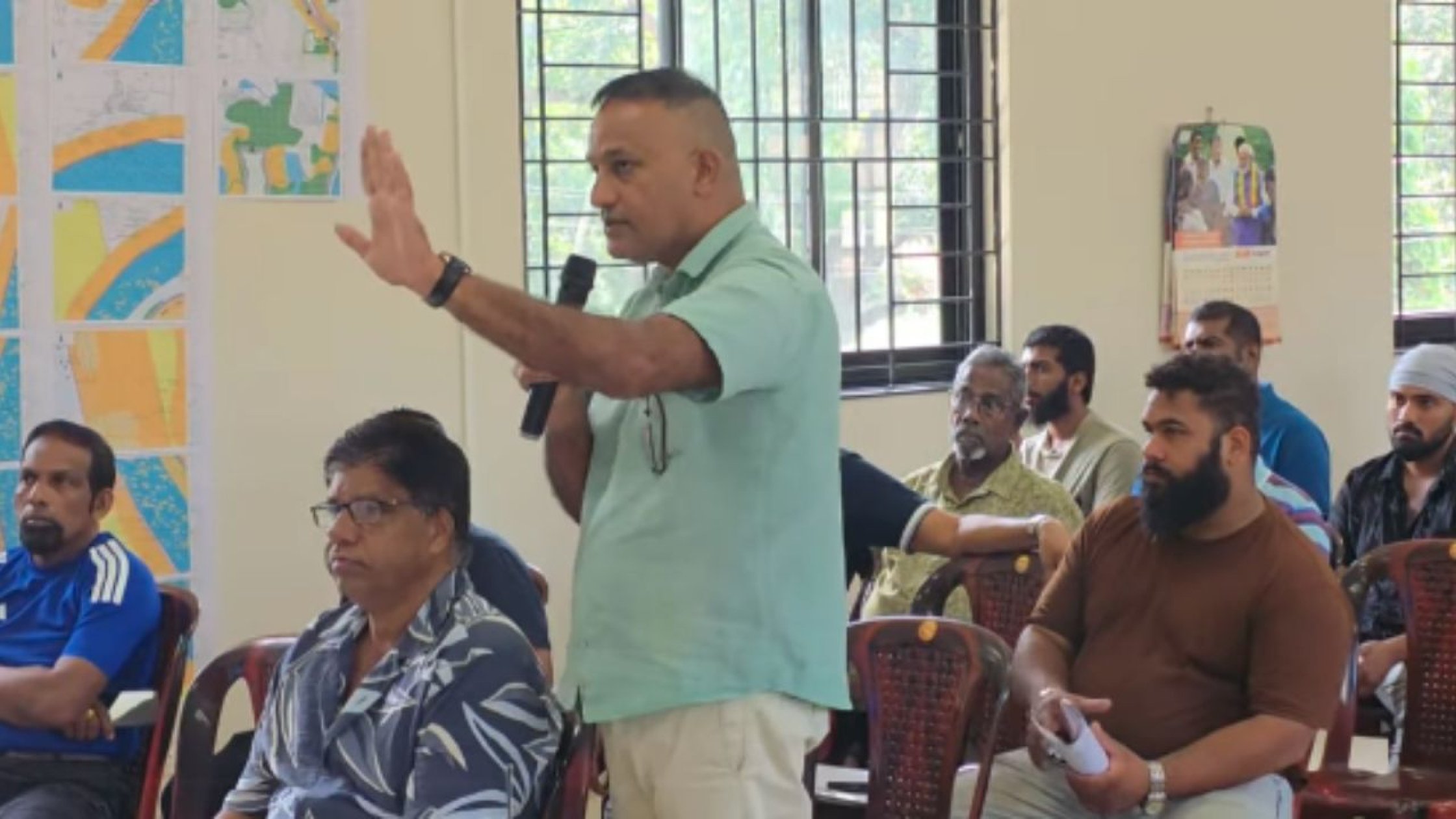
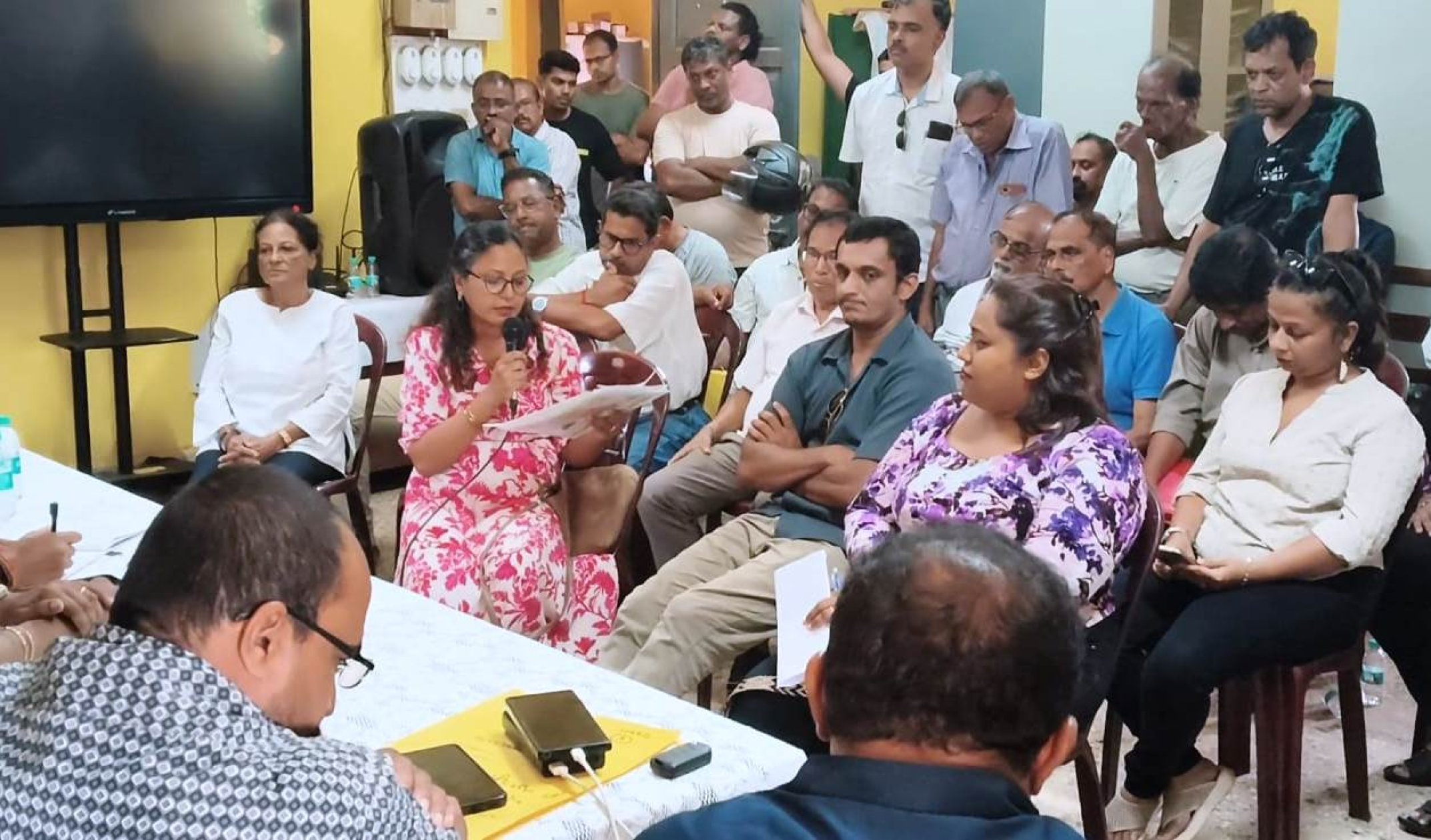
At the gram sabha chaired by Sarpanch Issaca Fernandes, members raised a host of questions over the NIO report, seeking the government’s stand on its findings and clarity on compensation for beleaguered fishermen who depend on oyster fishing along the banks of the River Sal.
Gram sabha members called for an independent probe to ascertain the presence of heavy metals in oysters and clams, insisting that the government should clarify the issue as it affects the livelihoods of hundreds of farmers.
Gram sabha member Remedios said the NIO study report was vague, seeking to know the location and reasons for the contamination. He also sought to know whether oysters were contaminated along the entire Goa coast or specifically in the Mandovi, Zuari or Sal rivers.
“The NIO or the government should also find out the source of contamination, whether it is due to mining or the discharge of raw sewage into the rivers,” he said.
Members pointed out that unless the government clarifies these issues, there was no justification for creating fear among people and visitors.
Chairman of the Assolna Biodiversity Management Committee Fredrick Borges said the government should intervene and shed light on the NIO report, pointing out that the issue affected the livelihoods of thousands of fishermen.
Velim MLA Cruz Silva, who attended the meeting, explained to the gram sabha members that he had sought details and clarifications from the government on the NIO report and urged it to clarify its findings.