PANAJI
More than a century after Sir Ronald Ross discovered that mosquitoes transmit malaria to humans, the tiny insect continues to haunt the public health system here in Goa with a spurt in dengue officials are struggling to cope with.
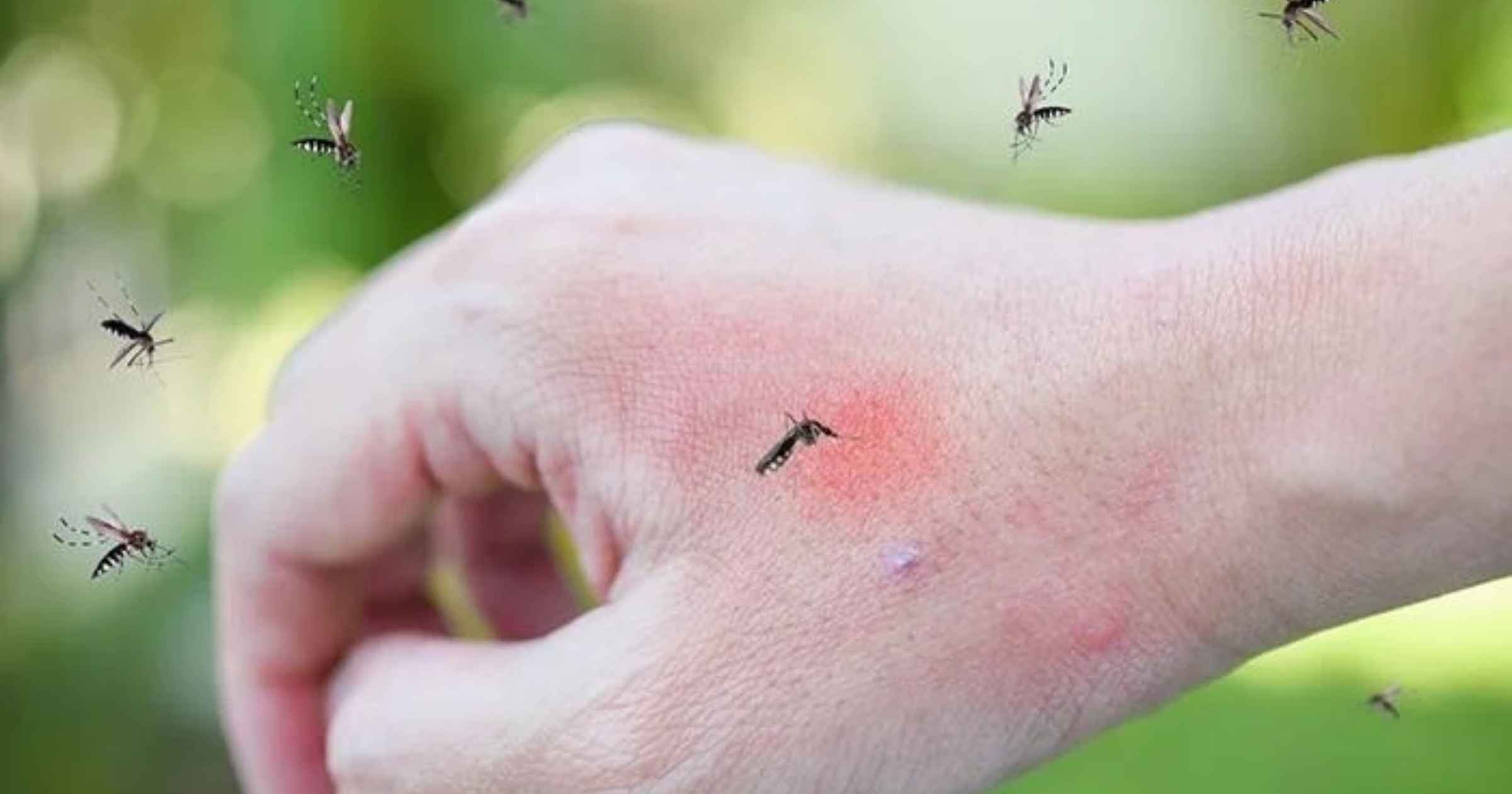
August 20, observed globally as World Mosquito Day, is a reminder of the mosquito's enduring threat and the menace is playing out in real time this monsoon in Goa.
South Goa in particular has emerged as the epicentre and in August alone, 311 patients have tested positive for dengue using the NS1 antigen test. July had seen 650 positives.
In the north, officials report 115 cases so far. The numbers underline a rising trend that has rattled health authorities with a cluster of cases being reported in critical frontline institutions of the government itself.
In early August, multiple police personnel at Margao station were hit and days earlier, half a dozen fire services staff at Porvorim had also similarly tested positive.
The outbreaks had triggered alarm but officials at the Directorate of Health Services (DHS) cell handling the national vector-borne diseases programme were insisting that the situation is not yet alarming.
The surge comes after a whole year of decline and a shift in the epicentre to South Goa from the North.
Also, before the monsoon arrived in late June, Goa’s dengue situation was firmly under control with authorities reporting just one case in April compared to six in the same month last year and 19 cases in 2024.
From January to April this year, the State had logged just 11 cases, against 29 in 2025 and 96 in 2024 and the DHS had credited aggressive measures such as door to door awareness drives, destruction of mosquito breeding sites, and targeted action in hotspots for that progress.
It now appears under strain as officials blame stagnant water at construction sites, open storage in households which are fertile breeding grounds for the Aedes aegypti mosquito.
Migrant construction worker settlements are another contributing factor for the surge, the official said.
The DHS, however, claims it has stepped up surveillance, fumigation and awareness campaigns with its teams, along with local panchayats, working continuously to eliminate breeding grounds.
But the rising tide of positive dengue cases through the preliminary NS1 antigen test underscores the threat -- the Aedes mosquito is thriving in the monsoon conditions and the spectre of dengue is unarguably back.