the goan I network
vasco
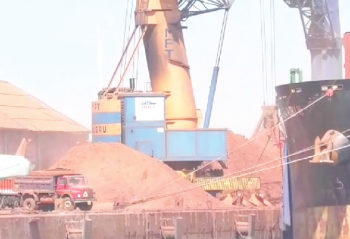
The issue of Bauxite cargo being handled at Berth No 10 continues to haunt the residents of the port town, even as Vasco-based NGO Goa First on Monday filed a complain in the Goa State Pollution Control Board against the activity at the Mormugao Port Trust.
Goa First led by Convenor Parshuram Sonurlekar has demanded immediate intervention of GSPCB in the matter after several residents of Vasco, especially the fishermen along the Kharewado fishing jetty, complained of dust particles falling in food packets of labourers on the trawlers.
Goa First has demanded that the bauxite cargo be handled at outer anchorage area of the port.
Speaking to the media, Sonurlekar said that he had even informed the GSPCB Chairman to send a team of staff to Vasco to check for the pollution caused due to the handling of cargo at the berth.
“We demand that this cargo must not be allowed at berths close to the city limits. The dust is unbearable and the entire surroundings turn red. The cargo is being handled manually by cranes and not in a mechanised way. As such there is no standard precautionary measures adopted during handling and post-handling of this cargo. The Kharewado jetty is in close proximity of the berth. Earlier, coal handling had been stopped as the berth is close to the city. This is the second time the cargo has arrived in a month’s time and GSPCB is a silent witness.
We demand an immediate inspection of the loading
and a clear-cut directions to MPT from GSPCB,” said Sonurlekar .
Meanwhile, convenor of NGO Savera Tara Kerkar hit out at GSPCB claiming that the MPT had been given a free hand by authorities concerned to handle hazardous cargo in close proximity of the city.
“First it was coal, now it’s Bauxite and other cargoes that are hazardous. Are GSPCB and MPT not aware that people stay nearby the berths and such hazardous cargo causes so much pollution. The MLAs and authorities have left Vascokars to die. We want the port to be in business but not at the cost of our lives. Let the port get green and clean cargo. Why should they opt for handling hazardous cargo in close proximity of the city? There are a lot of other cargoes like pharmaceutical, food grains and containers,” Kerkar said.