THE GOAN NETWORK
BELAGAVI
Alleging discrimination against Karnataka trucks operating in Goa, the Belagavi Kannada groups from Belagavi region have warned of retaliatory measures in Karnataka in case Goan authorities do not intervene.
The Belagavi District Kannada Organisations Action Committee has alleged that truck owners from Karnataka are being denied transportation business in Goa following opposition from local transport operators.
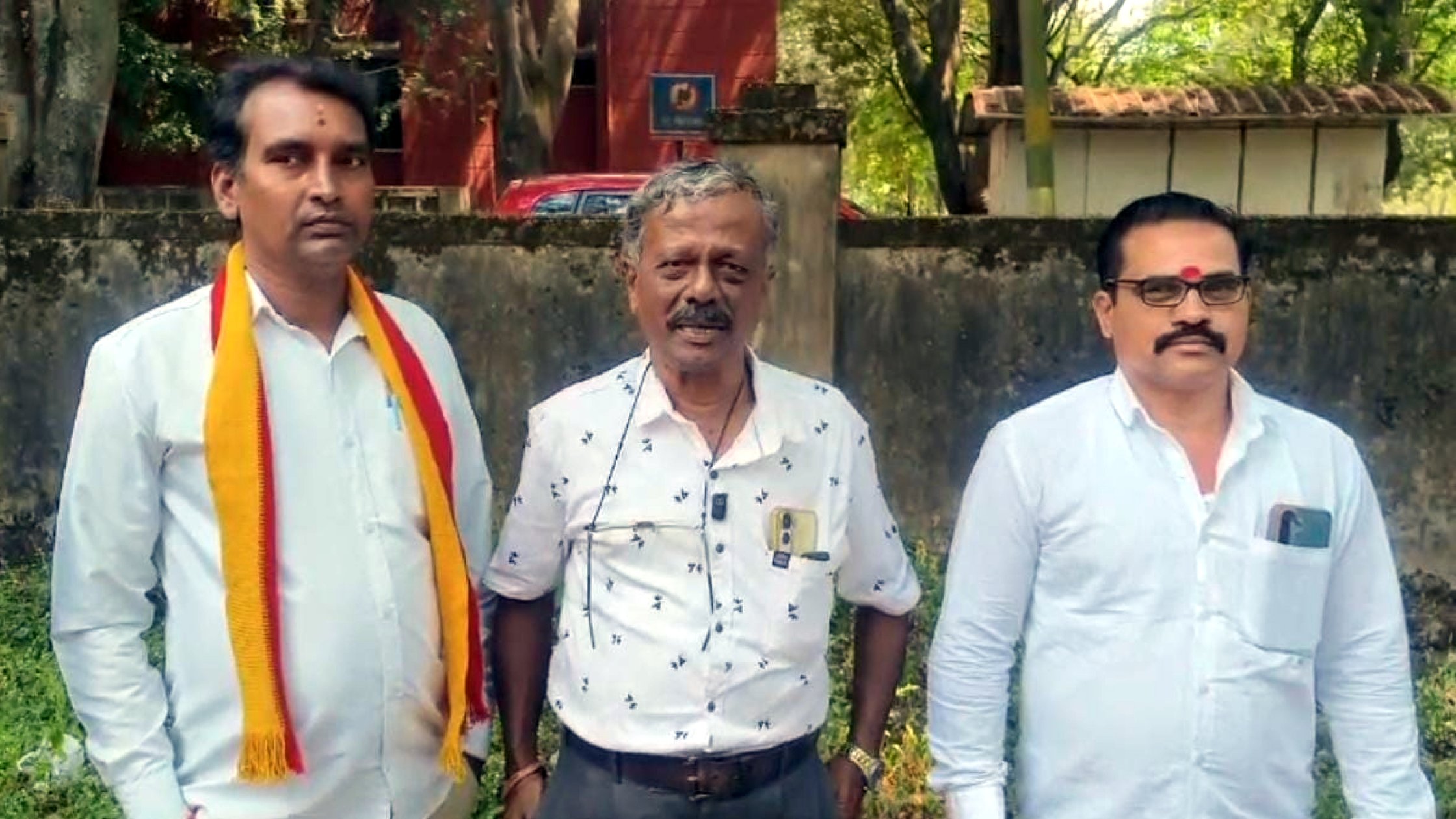
Speaking to media persons, committee president Ashok Chandargi said some local truck owners in Goa had allegedly organised themselves to prevent Karnataka-owned trucks from securing transportation contracts by pressuring industries not to engage their services.
Condemning the alleged move, Chandargi said such practices would adversely affect the livelihoods of Karnataka-based transport operators and their families.
He urged the Goa government to intervene and ensure that truck owners from Karnataka were not harassed or discriminated against on linguistic or regional grounds.
The committee cautioned that the issue could have repercussions for transport operations between the two neighbouring states if the alleged discrimination continued.
Pointing to the movement of goods between Goa and north Karnataka, Chandargi said more than 200 trucks from Goa enter Belagavi, Bagalkot, Vijayapura and Dharwad districts for transporting essential commodities, including vegetables and milk.
“If the same attitude continues, retaliatory measures may follow in Karnataka,” warned Chandargi, indicating the possible consequences of restrictions on transport operators from either state.
The retaliatory action could affect the movement of goods, trade and commercial activities on both sides of the border, potentially inconveniencing businesses and consumers.
Appealing to the people of Goa and the state administration, the committee urged them to protect the interests of Karnataka-origin truck owners and ensure that transport contracts were awarded on fair and non-discriminatory terms.
Chandargi said disputes involving transport operators should be resolved through dialogue and administrative intervention rather than by creating divisions on linguistic or regional lines.
The committee called for an amicable resolution to the issue, stressing that the economic interests of transport operators in both states were interconnected and that cooperation was essential to maintaining smooth movement of essential commodities across the border.