Approach sparks debate; police sources flag practical challenges
MARGAO
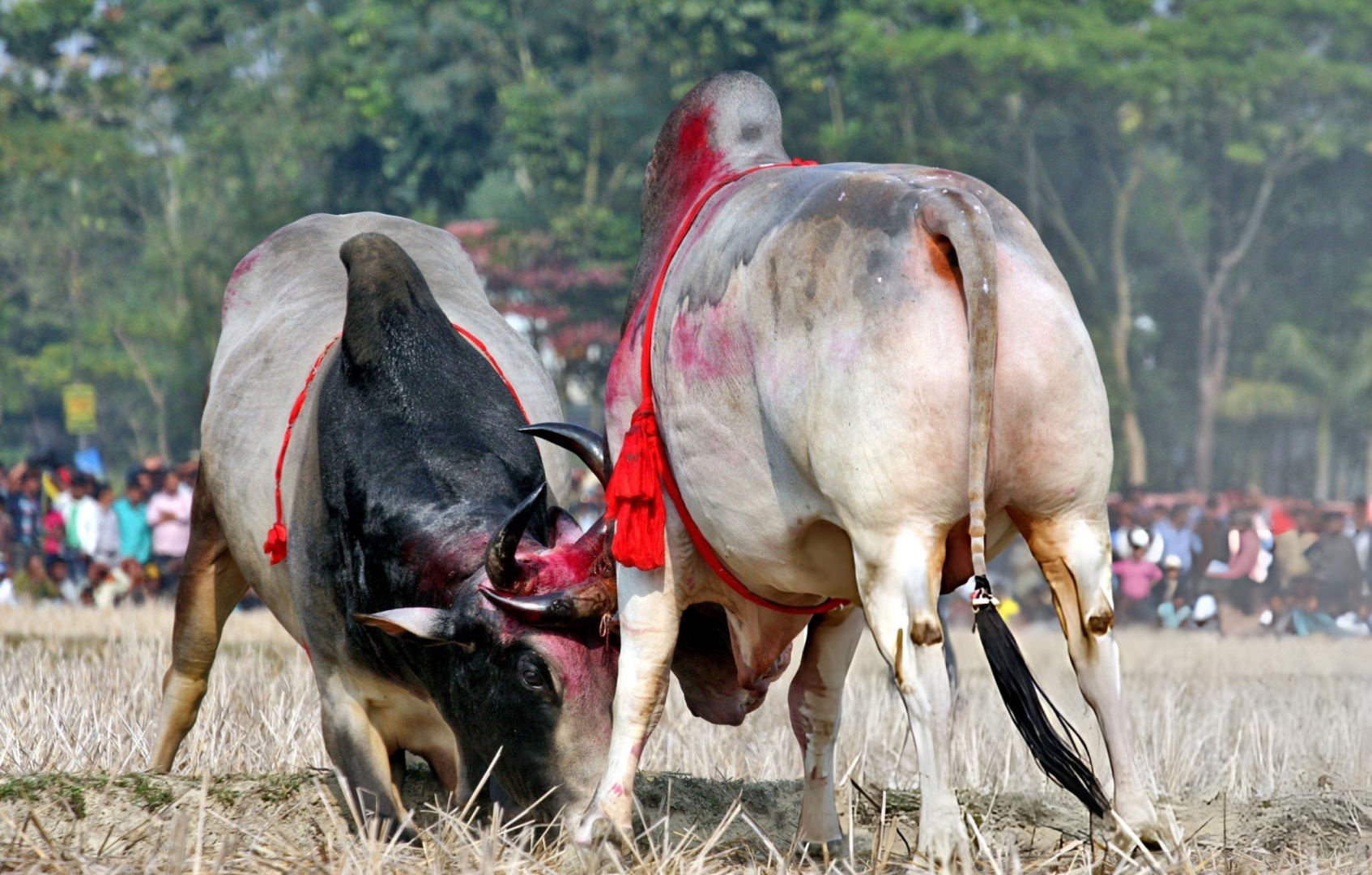
Landowners have come under the scanner of district authorities in their latest effort to enforce the ban on illegal bullfights in Salcete taluka, even as senior police officials have expressed reservations over the move.
Sources, including police officers, however, have cautioned that prosecuting landowners may not effectively curb the activity, particularly in cases where property owners may be residing abroad and have no direct involvement in organising such events.
The directive issued by South Goa Collector Egna Cleetus to police inspectors—calling for action against landowners on whose properties bullfights are held—has sparked a debate of sorts.
Sources pointed out that many landowners may be unaware of such activities, while others may be staying abroad for the purpose of employment, raising questions about the practicality and fairness of initiating legal proceedings against them.
That’s not all. In most cases, bullfights are being organised in low-lying paddy fields, which are not secured by boundaries, raising the question of whether it is prudent to book the farmer for a bullfight held in his field.
While the authorities have now issued directions to register FIRs against landowners under the Prevention of Cruelty to Animals Act, questions are being raised over whether absentee landowners would be required to return to Goa to face trial if FIRs are registered in their names.
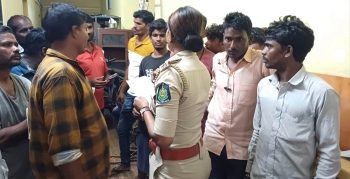
The matter was discussed at a coordination meeting chaired by South Goa District Magistrate Egna Cleetus and co-chaired by Superintendent of Police (South) Santosh Desai. The meeting was attended by Additional Collector Srinet Kothwale, sub-divisional magistrates, the Salcete mamlatdar, and police station in-charges.
Focusing on strengthening inter-departmental coordination to curb illegal bullfights, the administration directed police inspectors to initiate action against landowners where such events are held. Mamlatdars have also been tasked with providing land records and details of property owners to support enforcement efforts.
However, key concerns remain unresolved. Authorities are yet to clarify how they intend to proceed if organisers continue to shift venues to evade detection. Questions have also been raised over whether multiple FIRs would be filed against different landowners as locations change.
Sources have further questioned the rationale behind holding landowners accountable for activities that fall squarely within the police’s mandate to prevent illegal gatherings. “It is surprising that the police, with all its intelligence network, cannot track bullfights when large crowds gather to witness them. Instead, the administration now appears to be shifting the burden onto landowners,” sources said.
He added, “In Goa, there may be properties which are not secured by the landowners. Bullfights are mostly held in paddy fields. Will the landowners be liable for punishment for no fault of theirs in the event their property or paddy fields are used to hold the banned bullfights?”