MAPUSA
Goa’s reservoirs appear to have entered a late-monsoon plateau, with the recent slowdown in rainfall leaving two key dams in North Goa stuck just short of full capacity even as three other reservoirs that had already crossed the 100% mark continue to hold their levels.
The Anjunem reservoir is currently at around 93% while the Amthane dam has remained at about 96% for the past couple of days, according to Water Resources Department (WRD) data.
With rainfall easing over the past few days, neither reservoir has seen the kind of inflows required to breach the 100% mark.
The development is significant because both reservoirs are among the key water sources for North Goa. Anjunem supplies raw water for treatment for drinking requirements in Sattari and parts of Bicholim, while Amthane caters to water requirements in Bardez and adjoining areas.
Interestingly, the two reservoirs are also hovering around levels similar to those recorded during the corresponding period last year, suggesting that despite the substantial recovery in dam storage during the latter part of this monsoon, the final filling phase has again coincided with a slowdown in rainfall.
A senior WRD engineer said the current levels of both reservoirs could represent their seasonal peak, but added that another spell of heavy rain could push them past the 100% mark.
“Anjunem and Amthane could still cross 100% if we receive another spell of heavy rainfall,” the engineer said.
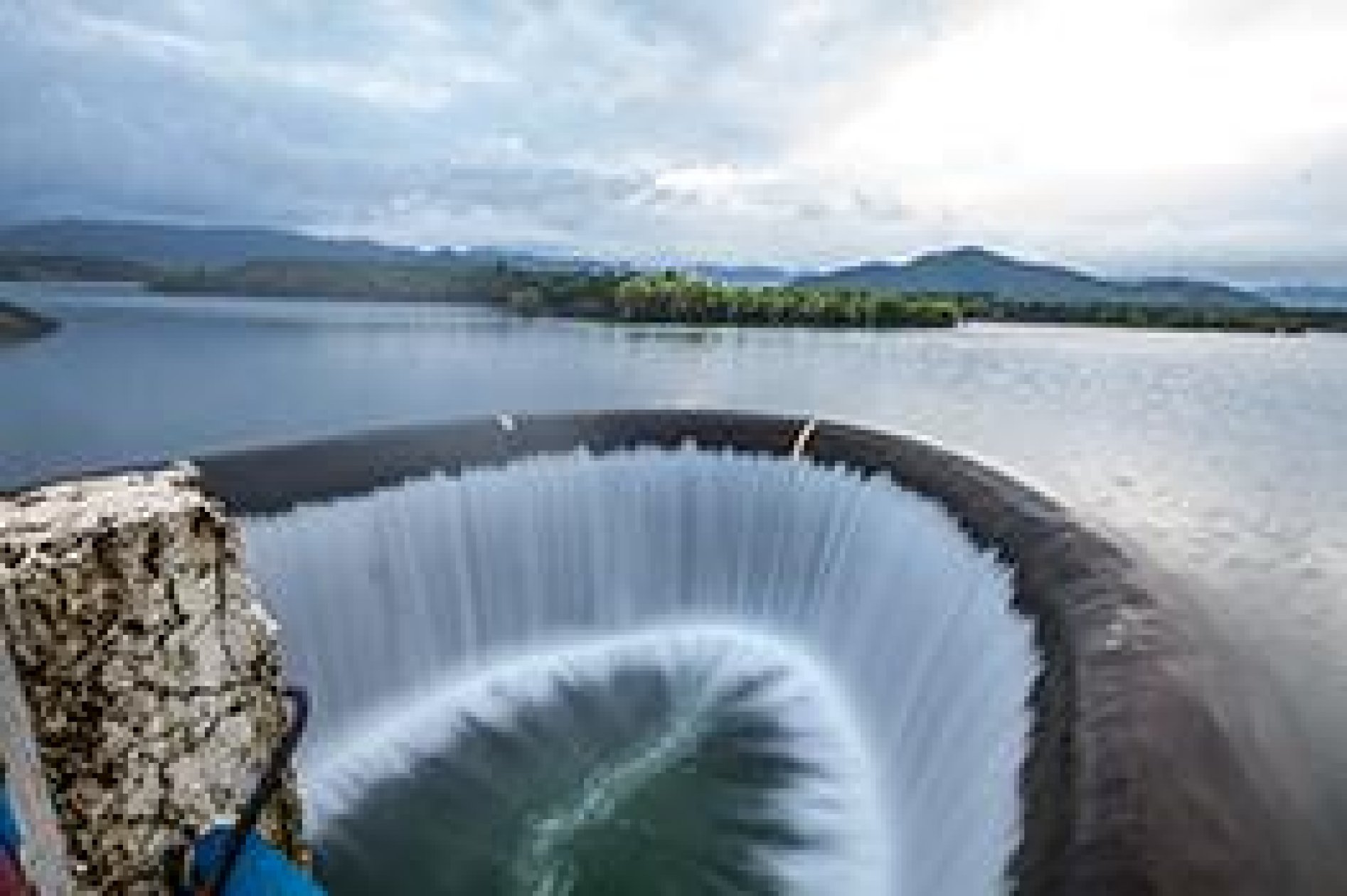
In contrast, three reservoirs that had already reached full capacity last month have continued to remain at or above their full-reservoir levels. Selaulim, Goa’s largest reservoir and the principal water source for much of South Goa, is showing around 104%, while Gaunem and Panchawadi are at around 101% and 100%, respectively.
The continued high levels indicate that the State is entering the latter part of the monsoon with a substantial water cushion, even though inflows have eased.
The Selaulim reservoir, which normally assumes particular significance for South Goa’s drinking-water security, had reached the 91% mark by late July before subsequently filling and beginning to spill. Earlier in the season, the reservoir had been considerably lower because of the delayed and deficient monsoon.
Meanwhile, the minor Chapoli reservoir in Canacona has climbed to around 72%.
The picture in North Goa is also closely linked to the Tillari reservoir in neighbouring Maharashtra. Tillari is currently holding at around 89%, with authorities in Maharashtra regulating releases from the reservoir to prevent a sharp rise while maintaining a steady storage level.
The Tillari reservoir is particularly important for North Goa, with the system supplementing water requirements in areas including Bardez and neighbouring talukas.
For the moment, the reservoir map remains comfortable: The three reservoirs already full continue to hold their levels, Anjunem and Amthane are within striking distance of 100%, and Chapoli is steadily gaining.
The immediate concern is therefore not scarcity, but whether the State gets enough late-monsoon rain to convert the current strong storage position into an even larger water reserve for the coming dry season.