MAPUSA
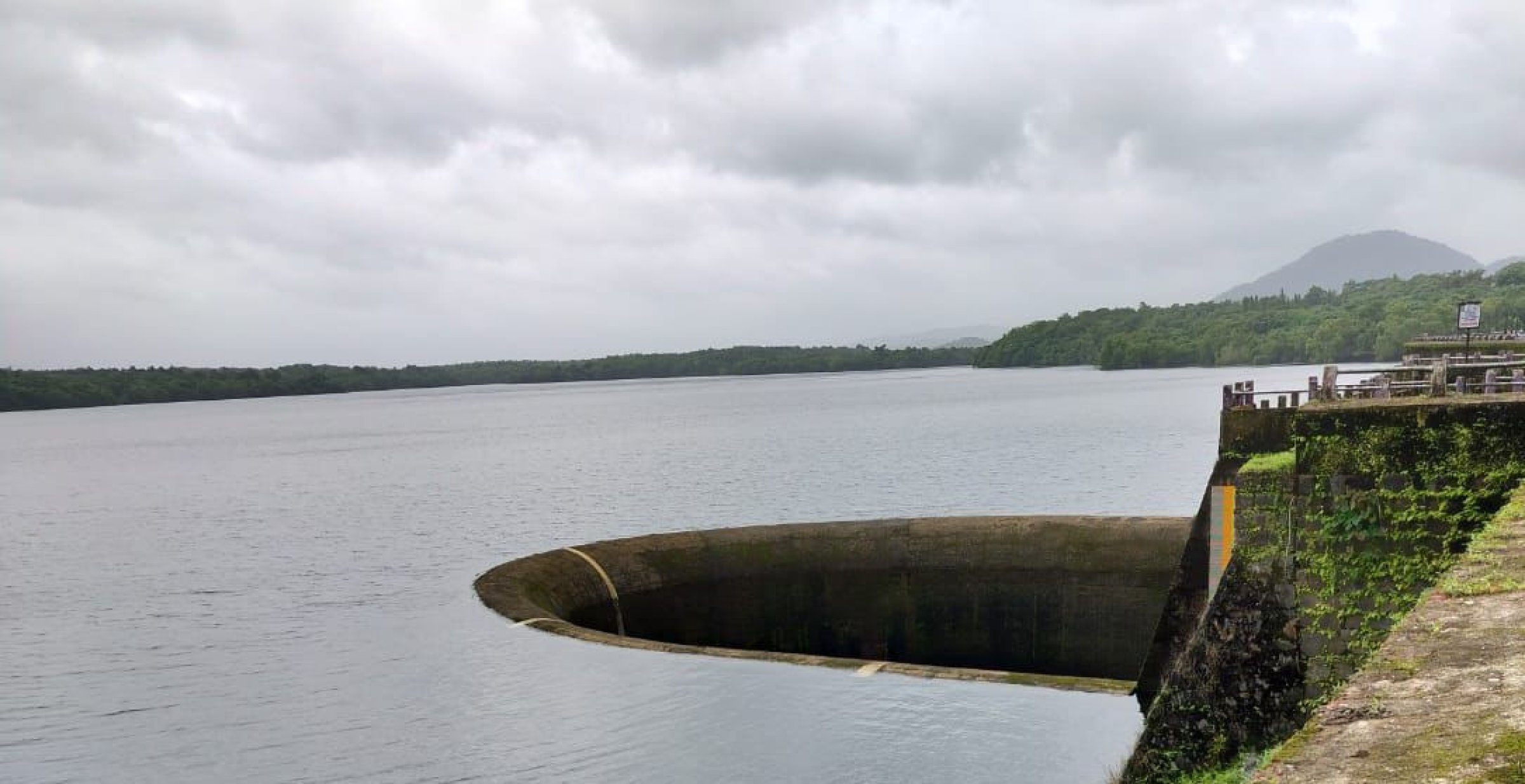
The Selaulim Dam may be overflowing, but the Water Resources Department (WRD) is not taking the abundance of water for granted.
With Goa's monsoon winding down on a markedly deficient note, the State's largest reservoir is entering the dry season virtually brimful – a reassuring position, but one that the WRD says should not become an excuse for wasteful consumption.
The reservoir, the lifeline of South Goa, is currently at around 100 per cent storage, with its water level above the normal full-reservoir level of 41.15 metres. WRD officials said the level had reached around 41.28 metres, with excess water spilling safely from the dam.
“The present storage position is comfortable, but that does not mean water can be wasted. The reserves have to be managed carefully because this storage has to sustain demand through the dry months,” a senior WRD official said.
The caution assumes significance against the backdrop of a weak end to this year's monsoon. Goa had recorded around 31 per cent rainfall deficit, with rainfall activity weakening further as the southwest monsoon approached its withdrawal phase.
Early this month, WRD Minister Subhash Shirodkar had announced that WRD would close 400–500 bandharas across the State before September 30, specifically to conserve and store water.
That creates an unusual water-security paradox: the State has a full reservoir today, but little certainty about how the weather will behave tomorrow.
For South Goa, the immediate drinking-water picture remains comfortable. Selaulim supplies water across a large part of the district and its present storage provides a substantial buffer for the months ahead. The reservoir had also reached its full level and begun overflowing in July after a delayed monsoon, despite the season getting off to a slow start.
But the WRD's concern is increasingly about preserving the buffer rather than building it.
Once the monsoon withdraws, the reservoir will receive little meaningful replenishment for several months, while demand from households, agriculture and industry will continue. Every unit of water consumed unnecessarily now is therefore water that will not be available later in the dry season.
The warning is particularly relevant to irrigation and industrial users, who have been urged to exercise caution and avoid wastage. Officials have made it clear that the present abundance should not be interpreted as a licence for indiscriminate use.
For now, no drinking-water crisis looms. But with the rains already showing signs of an early retreat, the challenge for the WRD has shifted from securing water to making today's surplus last.