MAPUSA
The government plans to move the State from its present intermittent water supply system to a 24x7 network, with a series of long-term reforms including GIS mapping of pipelines, district metering areas, systematic reduction of non-revenue water, hydraulic modelling and 100 per cent metering.
However, the scale of the challenge is evident from the government’s own figures: only around 26.54 per cent of consumers presently receive round-the-clock water supply, while supply hours across the State range from just two to 24 hours.
Department of Drinking Water Minister Subhash Phal Dessai, replying to an unstarred question in the Assembly, said the State’s present water demand was estimated at 695 MLD, while daily supply ranged between 633 MLD and 670 MLD, resulting in a “minimal shortage”.
The demand calculation includes domestic requirements based on Central government norms, besides commercial, institutional and industrial consumption, floating population and system losses.
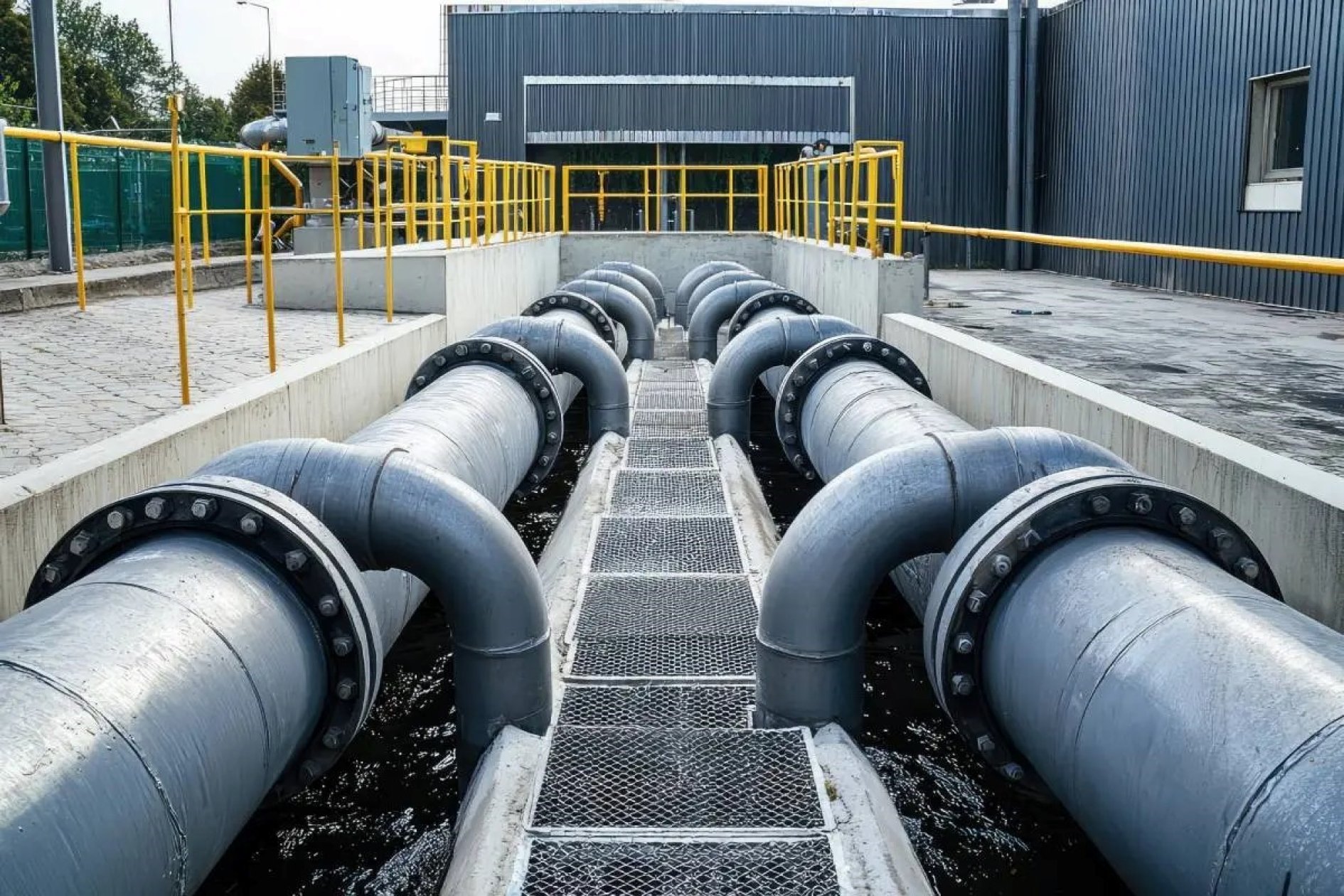
The government, meanwhile, is banking on a major expansion of treatment capacity to meet Goa’s long-term requirements.
Dessai said the State currently has a water treatment capacity of 677 MLD, which is proposed to be increased by another 50 per cent to more than 1,000 MLD through new and upgraded treatment plants and allied infrastructure.
The minister said the government was planning a series of reforms to create a “robust distribution network” and facilitate the transition from intermittent supply to 24x7 supply.
These include accurate GIS mapping of transmission and distribution networks, pressure equalisation, district metering area (DMA)-based management, systematic reduction of non-revenue water, hydraulic modelling, equitable distribution, 100 percent metering, telescopic tariff and key performance indicator monitoring.
The government has also initiated replacement of ageing asbestos cement, cast iron and galvanised iron pipelines to reduce recurring bursts and leakage.
The department has laid or replaced 973 km of pipelines over the last four to five years, with the remaining old pipelines targeted for replacement over the next three to seven years.
But a major gap remains in the government’s assessment of water losses. Asked whether it had quantified water lost through leakages, damaged or ageing pipelines, illegal connections and other causes over the past five years, the minister said the exact percentage of water loss due to leakages and theft could not be quantified.
He cited ageing infrastructure, corrosion, poor joints, high pressure, pressure fluctuations, construction-related damage, overflowing reservoirs, leaking service connections and illegal tapping among the causes of losses.
The government’s long-term approach also comes against the backdrop of rising population, urbanisation, tourism and industrial development.
While the minister said infrastructure was being taken up to ensure adequate water supply on a long-term basis, the response did not provide specific projected water requirements for 2037 and 2047.
The proposed reforms, the minister said, are intended to improve efficiency and ultimately ensure that Goa moves towards uninterrupted, regular and sufficient water supply across the State.