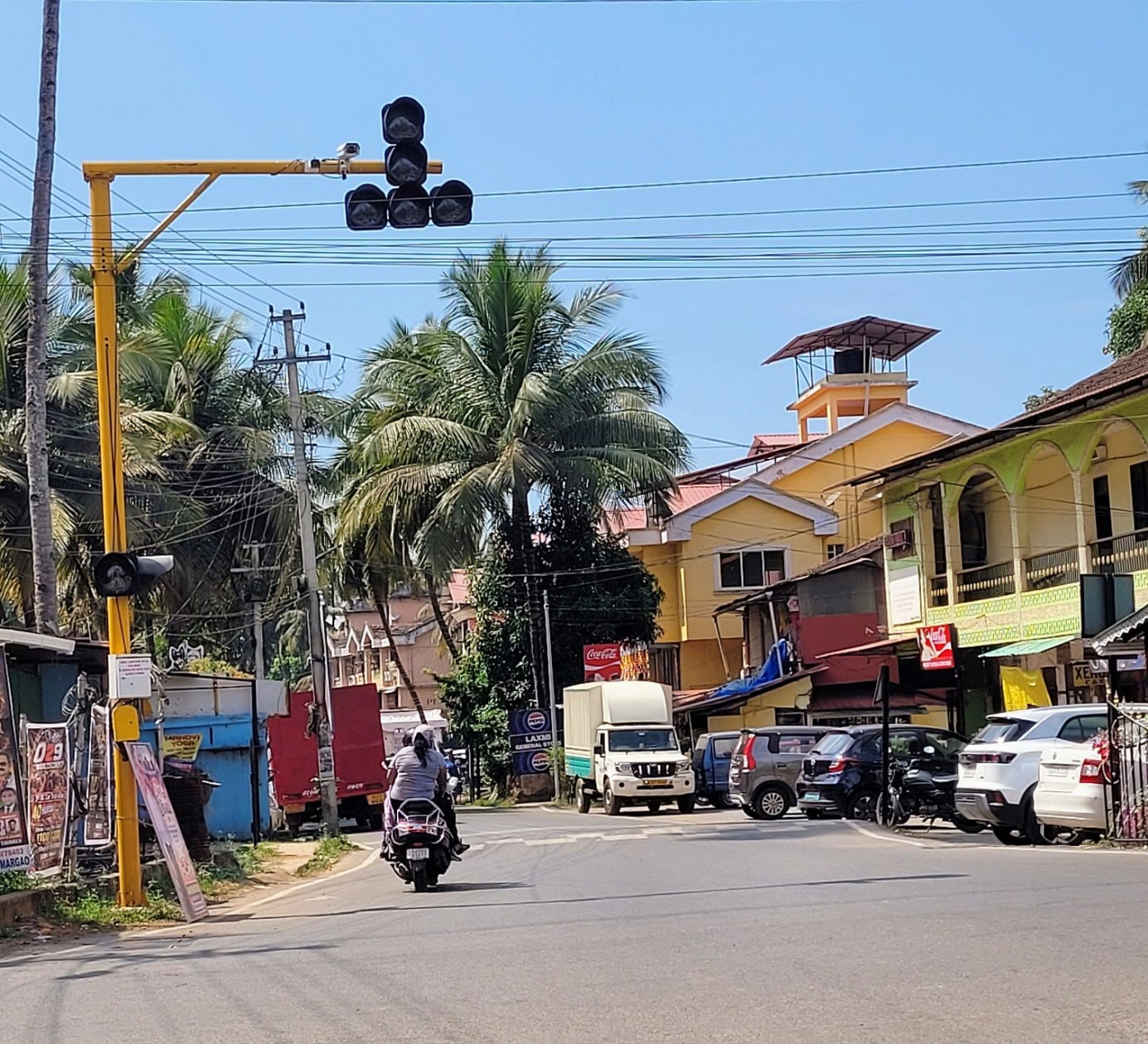
Development should not be measured by the extent of urbanisation or the number of concrete structures built. It should begin with improvements in education, healthcare, sports facilities, quality cultural programmes and other essential services. Mere concretisation does not amount to development. Unplanned and hazardous development will eventually invite nature’s fury and have disastrous consequences. Many metropolitan cities are already grappling with such problems. Delhi faces unbearable levels of air pollution, while Bengaluru and Mumbai experience recurring floods and water shortages. Slums, open drains, people losing their lives during monsoon flooding and garbage piling up on streets are alarming consequences of overcrowding and unplanned urbanisation. The concretisation of Goa is also attracting a growing influx of migrants from northern and southern states. Unfortunately, some show little regard for Goa’s culture, traditions and natural environment. Instances of rudeness, arrogance and a lack of civic sense are unacceptable. Some pollute water bodies by dumping toxic waste and dispose of garbage at road junctions, creating unbearable foul smells, particularly in the early mornings. Panchayats appear least concerned about such violations.
There are also those who show little interest in preserving Goa’s natural beauty and seem more interested in making money through questionable businesses, including brothels operating under the guise of massage parlours and tattoo studios. Why should Goa be misused in this manner? This is a question that panchayats, municipalities and the State government must address. Why does Goa need increasing urbanisation when its population has not grown at the same rate as that of states such as Uttar Pradesh, Bihar or Maharashtra? Instead of merely debating urbanisation, the government should understand the State’s actual population, needs and the long-term implications of unchecked development.
Our priority must be to strengthen basic institutions and improve education, healthcare and sports facilities. Ensuring round-the-clock access to quality drinking water should also be fundamental. Even today, many villagers do not receive a 24-hour water supply, while some housing societies enjoy this facility. Developed countries such as France, Germany, Italy and Britain protect their forests, maintain open spaces between buildings, regulate development and keep their streets clean. Singapore, for instance, imposes fines for littering in public places. Unfortunately, elected representatives often appear unconcerned about environmental disasters caused by reckless development, with financial gains taking precedence over public welfare. Those planning Goa’s future must understand the consequences before it is too late. Nature’s fury spares neither rich nor poor. Development must be sustainable, responsible and people-oriented, not merely an exercise in concretisation.
Diomedes Romano Pereira, Corlim