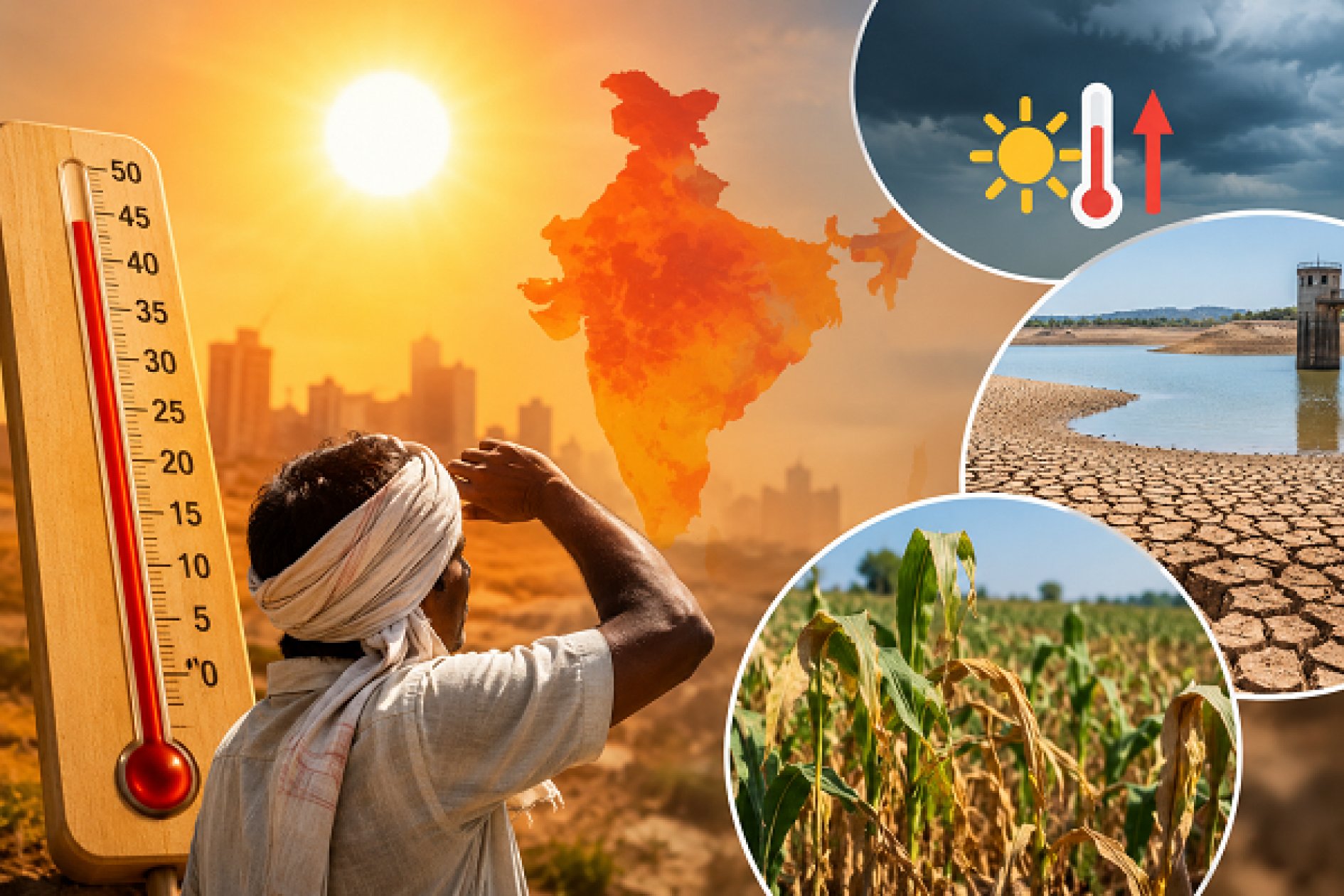
October is traditionally a month of transition across much of India, as the southwest monsoon retreats and temperatures gradually begin to ease ahead of winter. This year, however, the expected seasonal change has been less evident in several regions. Across India, temperatures have remained unusually high, with mercury levels hovering around 35°C in many places. The persistent heat, even after the withdrawal of the southwest monsoon, has raised questions about changing weather patterns, the possible influence of El Niño and the implications for agriculture.
PERSISTING HEAT
Meteorologists point to a combination of atmospheric and local weather conditions behind the elevated temperatures. In Mumbai, the late arrival of the daytime sea breeze has been identified as one of the factors contributing to the rise in mercury levels. The sea breeze normally brings relatively cooler, moisture-laden air from the Arabian Sea, helping moderate daytime temperatures along the coast. When this cooling influence is delayed, the city can experience hotter afternoons and greater discomfort.
Another contributing factor is the presence of anti-cyclonic circulation over Gujarat and southwest Madhya Pradesh. Such circulation systems are associated with descending air, which can suppress cloud formation and encourage clearer skies. Greater exposure to sunshine allows the land surface to heat up, pushing daytime temperatures higher.
The withdrawal of the monsoon does not automatically signal the arrival of winter. Seasonal transitions can be gradual, and local atmospheric conditions may prolong hot weather even after monsoon rainfall has ended. High humidity in coastal areas can further intensify the discomfort, making temperatures feel more oppressive than the thermometer alone suggests.
EL NINO EFFECT?
El Niño, a periodic warming of the central and eastern equatorial Pacific Ocean, can influence atmospheric circulation and alter rainfall and temperature patterns across the world, including India. It is often associated with a weaker Indian summer monsoon, although its effects vary depending on other oceanic and atmospheric conditions.
A weaker monsoon can contribute to rainfall deficits, particularly when dry spells coincide with critical stages of crop development. Reduced cloud cover and soil moisture may also increase daytime heating in some regions. However, El Niño should not be treated as the sole explanation for the current October heat. Establishing its contribution requires an assessment of prevailing ocean temperatures, regional circulation patterns and other climate influences.
The broader concern is that natural climate variability is unfolding against a background of long-term global warming. Higher average temperatures can make heat episodes more intense or persistent, increasing the likelihood that an otherwise seasonal spell of warmth becomes a serious challenge for communities and livelihoods.
AGRICULTURE TRANSITION
The effects of prolonged heat extend well beyond urban discomfort. Agriculture, which depends heavily on the timing and distribution of rainfall, is particularly vulnerable to unusual weather conditions during the transition between the monsoon and winter cropping seasons.
In parts of Maharashtra, Gujarat and Madhya Pradesh, reduced rainfall combined with higher temperatures can accelerate the loss of moisture from soil and surface water bodies. Farmers may have to irrigate more frequently, increasing demand for groundwater and stored water at a time when supplies may already be under pressure.
For standing crops, the impact depends on the crop, its growth stage and local moisture conditions. High temperatures can increase plant water requirements and cause heat stress, while insufficient soil moisture can restrict growth. In crops such as soybean, cotton and pulses, the consequences may include reduced productivity or deterioration in quality if adverse conditions coincide with sensitive stages of development. Heat and moisture stress can also affect horticultural crops and livestock.
The implications extend to the rabi season, when farmers prepare to sow crops such as wheat, chickpea and mustard. Adequate soil moisture is important for successful establishment, and persistent warmth can influence sowing decisions and early crop development. Wheat is particularly sensitive to high temperatures during later stages of growth, making temperature trends through the coming months important to monitor.
At the same time, the effects will not be uniform across the country. Areas that received adequate rainfall may retain sufficient moisture, while regions experiencing larger deficits could face greater pressure. Timely weather information, efficient irrigation and crop-specific advisories will therefore be crucial.
THE ROAD AHEAD
The immediate priority is to monitor temperatures, rainfall distribution and soil moisture while ensuring that farmers receive timely, locally relevant guidance. Water conservation, drip irrigation, mulching and the selection of suitable crop varieties can help reduce vulnerability to heat and moisture stress. Urban areas, meanwhile, need to strengthen heat-action plans, encourage access to drinking water and protect outdoor workers from prolonged exposure.
The absence of a noticeable winter chill in October may be temporary, but it highlights the uncertainty surrounding seasonal transitions. As India confronts rising temperatures and increasingly variable weather, the challenge is not simply to explain an unusually hot month. It is to understand how atmospheric conditions, ocean patterns and long-term warming interact — and to prepare agriculture, cities and water systems for the risks ahead.