THE GOAN | PANAJI
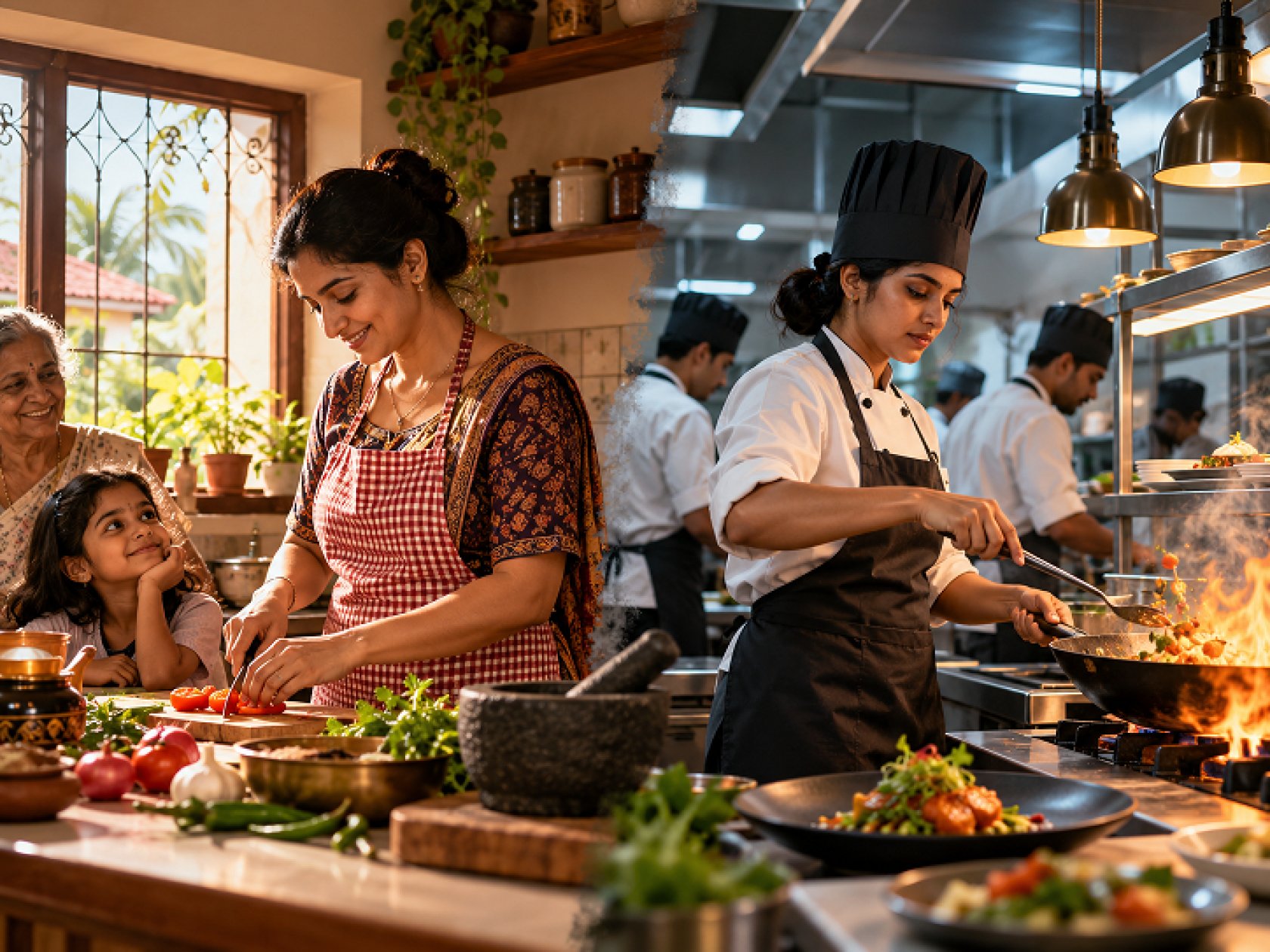
Cooking is often considered a skill every woman should possess. From preparing everyday meals to preserving family recipes, women have long been central to the way food is cooked, shared and passed down through generations. Yet, step into a professional restaurant kitchen and the picture has historically looked quite different, with men more commonly occupying chef positions and leadership roles. The contradiction is striking: why is cooking so readily associated with women at home, but professional cooking with men?Gender divide
The answer lies partly in how society has traditionally valued the work. Cooking for a family is often viewed as a domestic responsibility, while preparing food in a restaurant is recognised as a profession requiring technical expertise, discipline and creativity. Professional kitchens have also developed hierarchical structures and demanding work cultures, with long hours and high-pressure service becoming part of the job. These conditions, combined with assumptions about women's physical abilities and family responsibilities, have helped reinforce the gender divide.
The pattern is not limited to one country or cuisine. In Chinese restaurant kitchens, for instance, the role of the wok chef has traditionally been associated with men, partly because of the physical demands of handling and tossing heavy woks over intense heat. Yet, such expectations reflect how professional cooking has been organised and perceived, rather than any inherent limitation on who can master the craft.
In India, these biases can begin to shape a woman's culinary career even before she enters a professional kitchen. Female trainees may find themselves being steered towards baking rather than other areas of cooking, based on assumptions about which roles are better suited to them. Such expectations can narrow their choices before they have had the chance to explore their interests, build their skills and decide what kind of chef they want to become.
Goa's heritage
Goa offers an interesting perspective on this divide. Its culinary heritage has been preserved through generations of home cooks, many of them women, whose knowledge of local ingredients, traditional techniques and family recipes has helped shape the state's food culture. Over the years, some have also brought that expertise into professional hospitality. A 2012 feature in Condé Nast Traveller India, for example, profiled Goan women including Jacinta D'Souza, Edia Cotta, Tanuja Kerker and Sunita Lopez, who brought their traditional cooking skills into hotel kitchens.
Today, initiatives such as The Kitchen Collective in Sangolda, a women-led restaurant and training centre, are also creating opportunities for women to develop culinary skills and explore employment and entrepreneurship in the food sector. Such initiatives reflect the importance of creating pathways through which culinary knowledge can translate into professional opportunities.
Breaking stereotypes
For Avani Khanna, who runs a cart at FIERCE Markets, a community-focused culinary platform and open-air market in South Goa, the contradiction is clear. “At home, everyone says women should know cooking, but in hotels and big restaurants, most chefs are men,” she says. “If a woman can manage a whole house and kitchen, she can definitely manage a professional kitchen too. We just need more opportunities.”
Similarly, Riya Sawant, who is pursuing a short-term bakery course at the Verna-based Kamaxi College of Culinary Arts (KCCA), is conscious of the stereotypes women continue to encounter in professional kitchens. “Women in this field sometimes face doubts about their physical strength or ability to handle a high-stress, loud kitchen,” she says. Rather than allowing these assumptions to deter her, Riya sees them as motivation to strengthen her technical skills and challenge conventional ideas of leadership. She hopes to eventually open her own bakery or café focused on healthy, sustainable food, creating a workplace where people feel respected and inspired.
This International Chefs Day, recognising women in the culinary world means acknowledging both their contribution to food traditions and their place in shaping the industry's future. Cooking should not be defined by who society expects to perform it at home, but by the skill, imagination and dedication it takes to do it well. The professional kitchen, like the home kitchen, has room for everyone who has the passion and ability to make it their craft.