THE GOAN
PANAJI
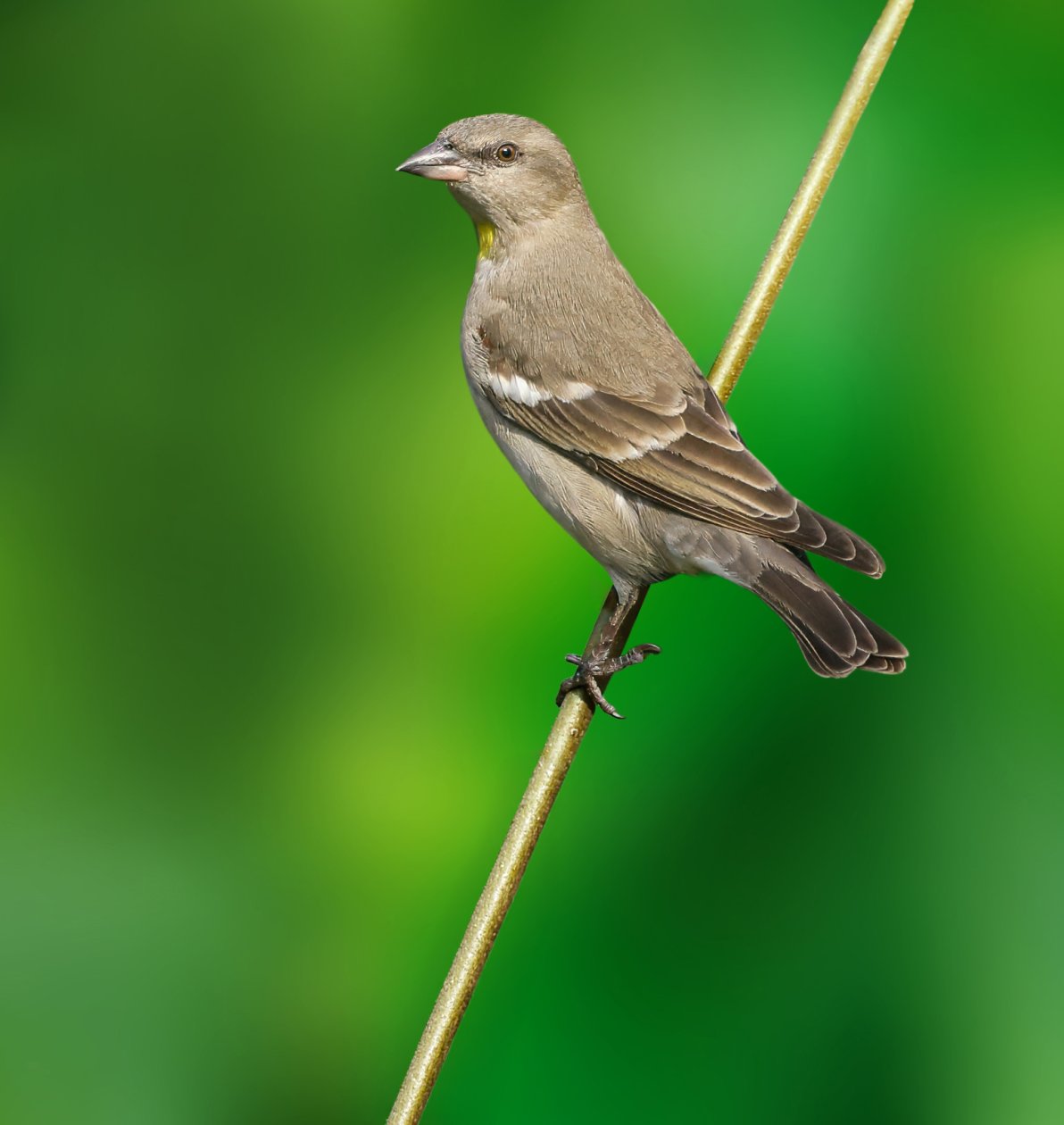
With its wetlands and location along the Western Ghats, Goa holds an important place in the world of birds. On the occasion of Dr Sálim Ali’s remembrance, we look at the avian life that occupies the state’s skies and habitats. From the Flame-throated Bulbul, Goa’s state bird, to the migratory species that visit during winter, the state supports a wide variety of birdlife. The months from October to March see increased bird activity, making Goa a favourite among birdwatchers.
Early surveys
Goa’s birdlife has also been documented over several decades. Under the direct guidance and mentorship of Dr Sálim Ali, Dr Robert Grubh conducted the state’s first systematic bird survey in 1972. The specimens, sightings and records collected during this landmark expedition provided the first baseline data on Goa’s birdlife. It was also the first extensive exercise in which the two ornithologists worked together to map the distribution of birds across the state’s different habitats, from the Western Ghats to coastal mangroves. Dr Sálim Ali also played an important role in selecting Goa’s state bird, the Flame-throated Bulbul, which was then believed to be found only in Goa, making it a natural choice to represent the state.
Unique species
While the Flame-throated Bulbul represents Goa, no bird species is currently known to have a range restricted only to the state. However, this could change with further research. A paper prepared in association with the Goa State Biodiversity Board and the Zoological Survey of India will soon be published in the Journal of the Bombay Natural History Society (JBNHS). The study will document a subspecies and propose its elevation to full species status. If accepted, this could establish a bird species specific to Goa.
Rising records
The growing body of research is also reflected in the number of species recorded over the years. In the first edition of his book, published in 2014, Savio Fonseca documented 400 bird species in Goa. The upcoming 2026 edition will list 507 species, an increase from the previous edition. He points out that documented data show a rise in species records, contrary to anecdotal opinions suggesting a decline. However, this increase in recorded species does not take away from the fact that Goa’s natural habitats are being rapidly depleted due to population pressures and changing aspirations.
Planned development
Protecting these habitats, therefore, calls for a closer look at how development is planned. One approach is to limit horizontal expansion while allowing vertical development, as seen in rapidly developing regions such as Hong Kong and Singapore. This would involve introducing a higher Floor Space Index (FSI) or Floor Area Ratio (FAR) in areas that are already developed, along with Transferable Development Rights (TDR) for virgin lands. Such measures could encourage development in existing urban areas while providing an incentive to preserve undeveloped land.
Public awareness
Alongside policy measures, public understanding of ecological issues and conservation also needs improvement. Goa has a large number of environmental activists, but concerns surrounding roadside trees, for instance, often focus on the shade they provide to travellers rather than their ecological value. Public discussion also tends to centre on visible issues, with less attention given to scientific evidence and wider environmental concerns. Greater environmental education among activists and the public is therefore important. Through the Bird Institute of Goa and its publications, efforts are being made to address this gap by sharing data and scientifically validated documentation.
Growing interest
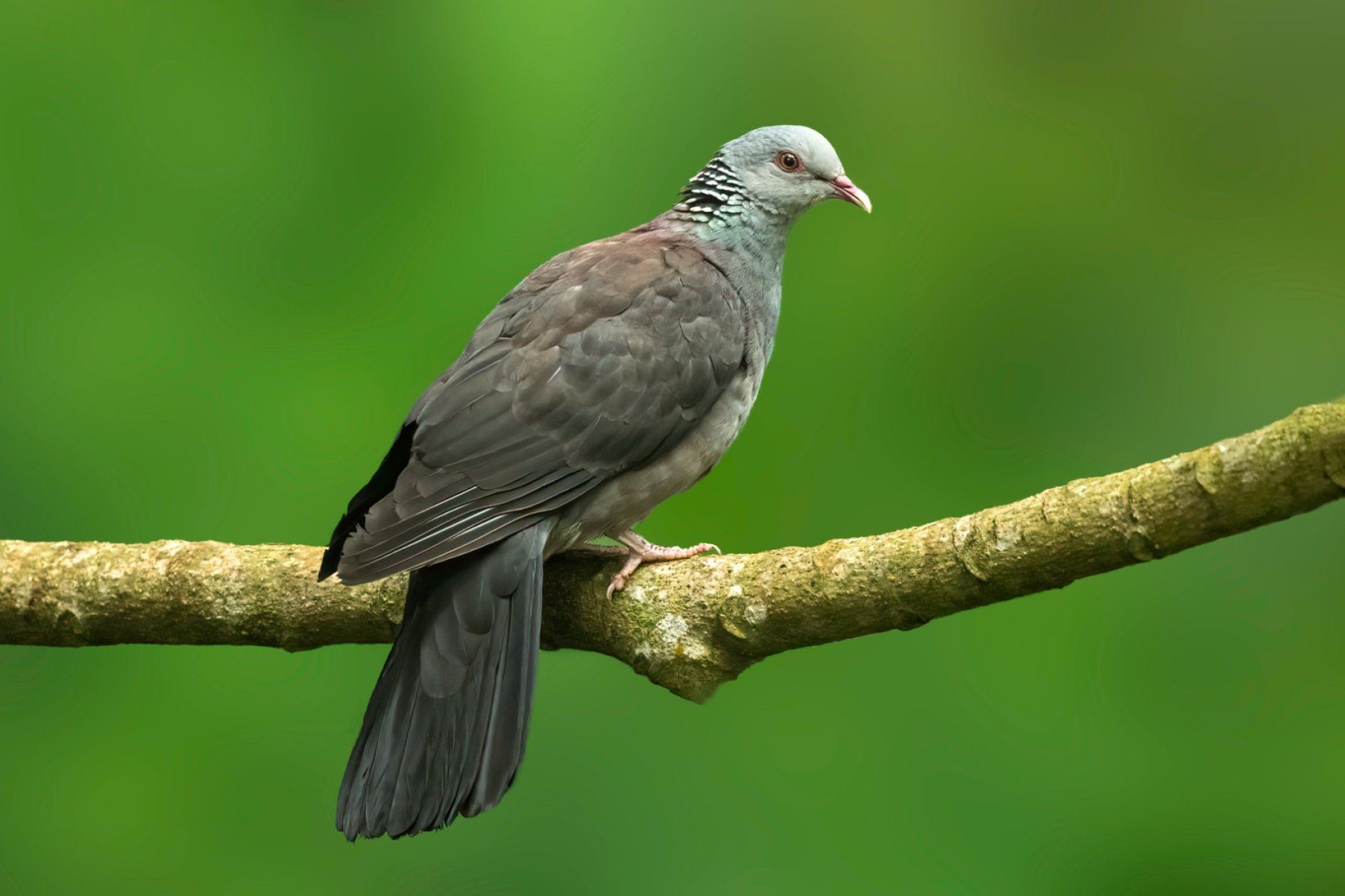
At the same time, awareness about birds and their conservation is growing worldwide, with birdwatching gaining popularity as an outdoor activity. In the United States, it has even overtaken golf as a popular outdoor recreation. This growing interest has also led to greater observation and documentation of bird species. In its latest update, the International Union for Conservation of Nature (IUCN) has placed the White-bellied Sea Eagle and the Nilgiri Wood Pigeon, both found in Goa, under the ‘Least Concern’ category.
Conservation focus
From the early survey conducted under Dr Sálim Ali’s guidance to the growing number of recorded species today, the understanding of Goa’s avian diversity has continued to evolve. However, documenting more species must go hand in hand with protecting the wetlands, forests, mangroves and other habitats that support them. Preserving these natural spaces and encouraging informed conservation efforts will be essential to ensuring that Goa’s birdlife continues to thrive.
(With inputs from Savio Fonseca, author, Chairman of the Bird Institute of Goa and Chief Naturalist and CEO of Avocet & Peregrine)