Rodolfo Dsouza
On November 25, 1510, the feast of St Catherine of Alexandria, Afonso de Albuquerque entered Goa at the head of his blood-stained troops. It was not just a military entry. As our narrative reminds us, it was also a moment of choice.
Albuquerque looked for a place that would be exclusive, sacred and worthy of a great saint. He found what appeared to be the ruins of an old Hindu temple. He laid his sword on the ground, knelt and decided that a chapel dedicated to St Catherine would be a fitting tribute to the saint on whose feast day the city had fallen.
Around him, his troops gathered. He said a prayer for the souls of the dead soldiers. Some men were commanded to collect and burn the bodies. Others were ordered to prepare for a victory parade, complete with fifes and kettle drummers, and a march to the Adil Palace.
That parade is the heart of the story. The sound of fifes and drums filled the air.
The smell of burning bodies still hung over the streets, a grim reminder of the battle. But then another smell arrived: fresh chappattis, rice-curry and November's fresh vegetables. The locals, whether out of fear or obligation, brought food and provisions for the troops. It was not leavened bread, but unleavened chappattis, accompanied by rice, curry and fresh vegetables. With full stomachs, the troops could march at full speed.
Albuquerque turned to his trusted friend Tim.
"See that the parade is a grand one. We must show the people of Goa the might of the Portuguese Empire."
Tim grinned. "Aye, sir! We'll make sure the streets echo with our drums."
"See that the Adil Palace is secured. We will make it our headquarters, and from there, we will rule this fair city."
Tim looked at the people and hesitated. "Sir, the people here seem... different. But with the right guidance, I'm sure they'll learn to appreciate our ways."
Albuquerque replied, "Yes, we will bring civilisation to this land. And St Catherine's chapel will be a symbol of our devotion to our faith and our empire."
So began the long and complex history that we still live with. Albuquerque's vision was not limited to establishing a military stronghold. He wanted a lasting Portuguese presence through language, religion, music, festivals, food, law and administration.
Portuguese became the language of administration and commerce, leaving its mark on Konkani. Roman Catholicism was introduced, and a unique Luso-Indian Catholic culture emerged. Portuguese music and dance blended with local traditions, while Portuguese cuisine changed Goan cooking forever.
But protests were not tolerated, and Goans had little choice but to let the "portuguessissimo" – the Portuguese identity – overlap with their own Goan identity, whether they liked it or not.
And yet, Goa did not disappear. The Hindu side of the story is equally essential. Hindus resisted, adapted, preserved their traditions and, at the same time, participated in cultural exchange. The result was syncretism in art, architecture, food, music and everyday life. That is why both Hindus and Catholics today celebrate this shared heritage, and why Goa's identity remains distinctive.
This blending is symbolised by the Dourada child, affectionately called "Paklo" or mestiço, the darling of the devdasi girls. Born of Portuguese and Indian blood, he is neither fully one nor the other. He represents a new identity, a bridge between two traditions. His mixed heritage shapes his relationships with both communities. In this narrative, he becomes a symbol of unity and cultural exchange.
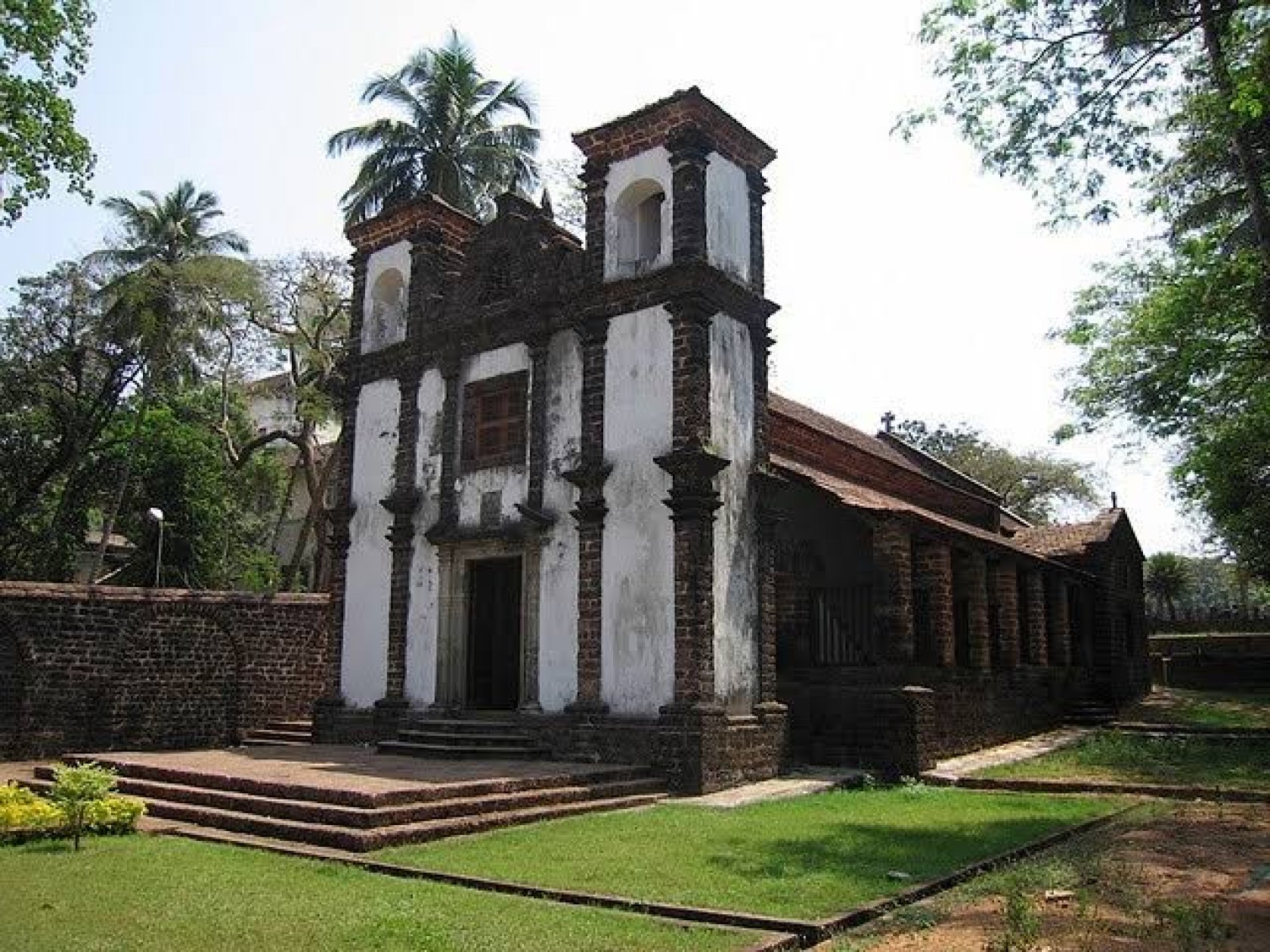
The chapel Albuquerque promised was eventually built. The small Chapel of St Catherine still stands as a reminder of that first kneeling, that first prayer and that first decision to build.
That is why St Catherine's Day matters. It is not only about a conquest. It is about the beginning of Goa Dourada, the Golden Goa, with all its glory and all its pain. Churches, temples, fortresses, mandos, bailas, chappattis and vindalho all belong to that same story.
When the bell rings at Sé Cathedral on November 25, we remember Afonso on his knees, Tim at his side, the drummers leading the parade, the locals bringing food and a small child who would grow up to be both Portuguese and Goan and, therefore, truly Goan.