


Dr RG Wiseman Pinto
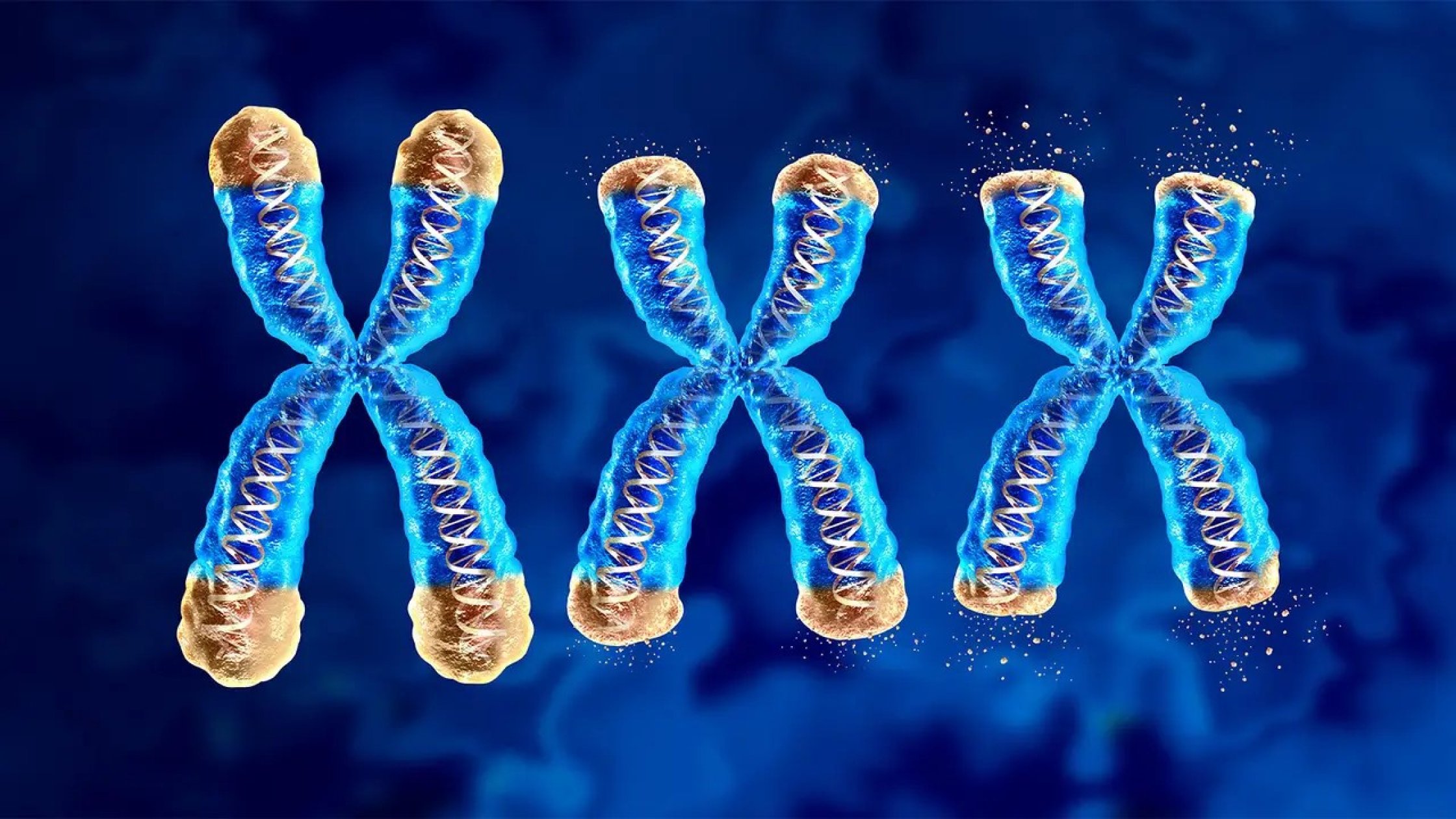
Telomeres are the protective DNA parts with proteins at both ends of linear chromosomes. They protect chromosomes from damage, sticking, fusion and degradation.
Our cells have chromosomes and each chromosome is made up of DNA and genes. At both ends of the linear chromosomes are telomeres, which are made up of repetitive DNA segments with proteins. The word telomere is derived from the Greek word telos, which means “the end”, because they are located at the ends of chromosomes.
Their role in ageing was discovered by Elizabeth Blackburn, Carol Greider and W. Szostak, for which they received the Nobel Prize in 2009. Plenty of research is going on to determine the role of telomeres in ageing, health and diseases, notably cancer.
All cells in the body have a limited capacity to replicate and divide. With each division, the length of the telomere gets shortened. Cells that have lost their capacity to divide are called senescent cells.
Telomere length can be increased by an enzyme called telomerase. Young cells and young people have longer telomeres compared to old cells and old people. Telomeres and telomerase are seen in germ cells and stem cells, while telomerase is absent in somatic cells.
Certain cancers can have telomerase. In cancers, telomerase is reactivated and the cancer cell has long telomeres and becomes immortal. It can therefore continue dividing and produce millions of cancer progeny cells.
The telomere gets shortened with oxidative stress that is seen in ageing. This involves ROS, or Reactive Oxygen Species. Stress also releases cortisol, which causes oxidative damage.
The length of the telomere is greater in athletes and those who exercise, run, swim, cycle and jog. Dark-skinned people and African Americans have genetically and ethnically longer telomeres.
The length of the telomere is being used as a biomarker for biological age. The sample used is blood and the WBC nuclei. The methods include RT, or Real-Time PCR, FISH and Flow-FISH. An advanced method is Whole Genome Sequencing, or WGS.
Good lifestyles, adequate sleep, less stress, an adequate healthy diet and exercise help in keeping telomere length longer. Telomeres are altered in cancers, ageing, premature diseases, lung fibrosis and liver fibrosis.
By studying telomere length, biological age can be determined and compared with chronological age. In cancer research, telomerase inhibitors are being used to control cancer cell division.
People with long telomeres look younger and youthful. Exercise and mindful sleep help preserve the length of the telomere. In the coming years, more testing for telomeres and telomerase will be in vogue. Hence, telomere and telomerase estimation and measurement will become more prevalent.
This will help determine health and longevity predictions. People will have to modify their lifestyles and diet, manage stress and maintain adequate sleep. The tiny protective ends of chromosomes, it seems, have acquired a remarkably large role in understanding the human journey from health to ageing and disease.
(The writer is a Professor of Pathology, former Head of Department at Goa Medical College, former Dean of Goa University, and the current President of the Asian Society of Cytopathology)


