


Dr RG Wiseman Pinto
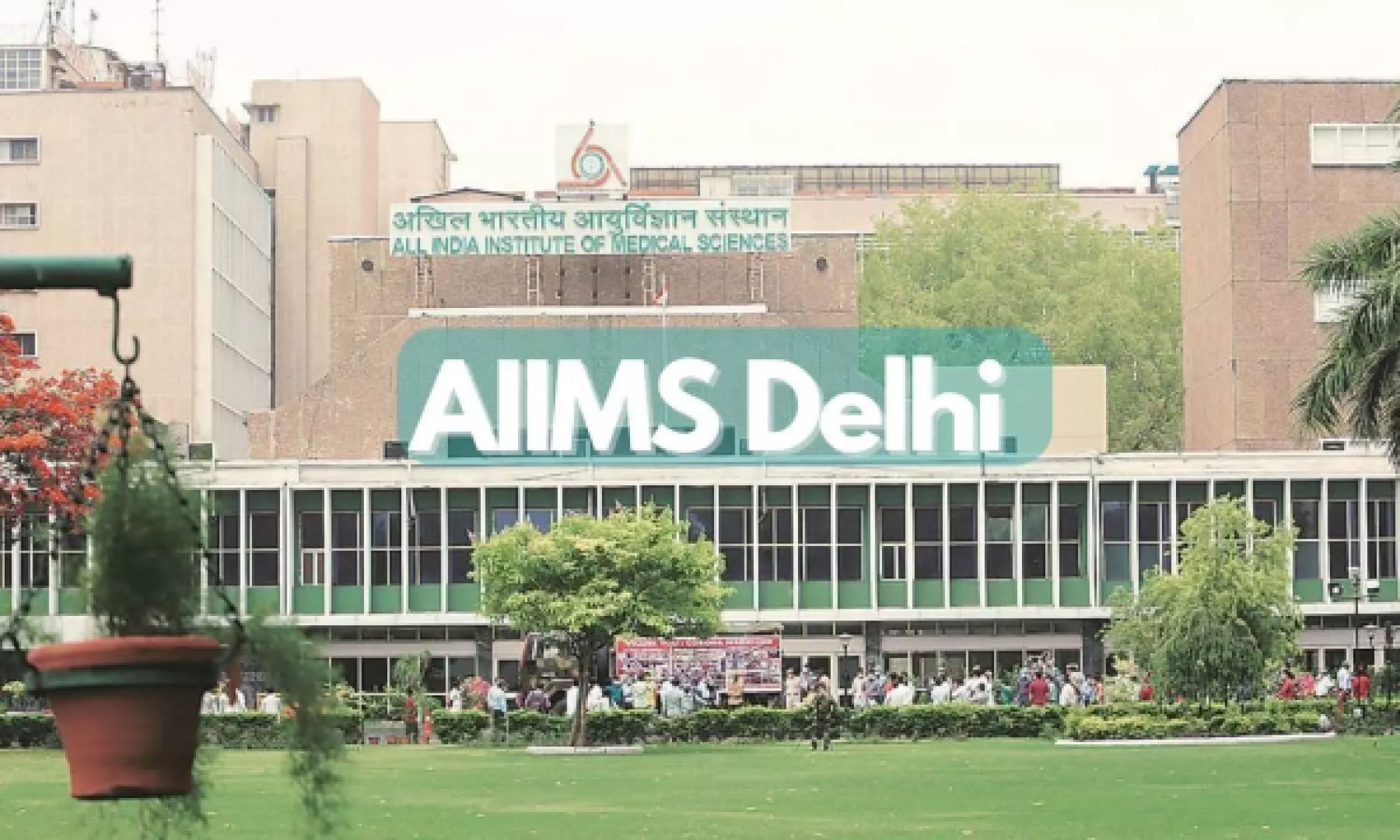
The All India Institute of Medical Sciences, New Delhi, was established as an institute of national importance by an act of Parliament in 1956 and has since become the most prestigious medical institution in the country. For several decades, AIIMS New Delhi has consistently ranked as India’s No 1 medical institute in all major ranking systems including the NIRF, India Today and Outlook India rankings. Its excellence lies not only in patient care but also in its contribution to research, teaching, training and the production of world-class doctors supported by state-of-the-art technology, modern equipment, advanced laboratories and well-structured training systems.
AIIMS New Delhi is the brainchild of India’s first Health Minister, Rajkumari Amrit Kaur, during the tenure of Prime Minister Pandit Jawaharlal Nehru. Interestingly, the Government of India had initially proposed Calcutta as the location for the first AIIMS, but the then Chief Minister of West Bengal, Dr BC Roy, declined the proposal. Consequently, AIIMS was established in Ansari Nagar, New Delhi, across Safdarjung Hospital, where it grew into a global model for medical education, research and health care.
Today, AIIMS is recognised as an autonomous, world-class medical university. It offers 132 MBBS seats, 185 postgraduate seats and 152 super-speciality seats annually. Its academic standards are extremely high and admissions are highly competitive, attracting the best students from across the country. It awards degrees such as MBBS, MD, MS, DM, MCh, PhD and MSc, and also includes a well-established dental wing.
The institute plays a major role in health care delivery. Its outpatient departments cater to thousands of patients from Delhi, neighbouring states and even surrounding countries. For indoor or admitted patients, AIIMS currently has around 2,400 beds, and under its new master plan, the number is expected to rise to 5,500 beds in the coming years. Its laboratories meet international standards and its graduates serve in premier institutions across India and abroad.
AIIMS has several independent centres and departments dedicated to specific disciplines such as cardiology, cardiovascular and cardiothoracic surgery, oncology, trauma, ophthalmology, orthopaedics, drug dependency, community medicine, dentistry and many others. It also houses departments of medical education, research and allied health services. In medicine, AIIMS holds a position similar to that of the top IITs in engineering such as those in Mumbai, Delhi, Kanpur, Kharagpur and Chennai.
The institution has pioneered several advanced medical developments in India, including organ transplantation, IVF, stem cell therapy, artificial intelligence-based medical applications and robotic and laparoscopic surgery. Often, any new medical technology or instrument introduced internationally is among the first to be acquired and adopted by AIIMS.
Within its campus also exist the Indian Council of Medical Research building and the National Medical Library, making it a central hub of medical learning and research in the country. Patients belonging to all strata of society, ranging from the economically weak to middle class citizens and also ministers, politicians, and VIPs, come to AIIMS for treatment.
The author has had the honour of being invited as a Visiting Professor of Pathology at AIIMS New Delhi, where he delivered a slide seminar and lecture for postgraduate pathology students in June 2024. He was also appointed as a postgraduate examiner for MD Pathology. Over the years, he has attended several international conferences at AIIMS as faculty, participated in ICMR meetings representing Goa Medical College and sourced numerous research articles from the National Medical Library during the pre-internet era of the 1980s and 1990s.
Even today, he continues to discuss complex pathology cases with consultants from AIIMS such as Dr Sandeep Mathur, Dr Venkat Iyer, Dr Rajni Yadav and Dr Rimlee Dutta, who are all hardworking and dedicated professionals, often reporting slides late into the evening. These doctors are frequently invited as faculty for national and international pathology conferences that he organises and chairs.
His first visit to AIIMS New Delhi was in 1968 during a family trip to Jammu and Kashmir. At the time, they stopped at AIIMS to visit the late Dr Cesar Monteiro, a family friend undergoing paediatrics training there.
Dr Cesar Monteiro later returned to Goa and served at Goa Medical College before working as a consultant paediatrician in South Goa. Prior to that, he had completed his paediatric degree in Portugal, which was not recognised after Goa’s liberation in 1961.
Over the years, the author has also met many AIIMS consultants during National Medical Commission meetings and assessments. Subsequently, 23 AIIMS-like institutions have been established across India. He has personally visited AIIMS Patna, AIIMS Raipur and AIIMS Jodhpur as an examiner and faculty for national CMEs and conferences.
He interacts regularly with several AIIMS professors such as Dr Aseema Das of AIIMS Guwahati, Dr Jai Chaurasia of AIIMS Bhopal, Dr Tarunpreet Saini of AIIMS Bilaspur and Dr Rimlee Dutta of AIIMS New Delhi. Dr Aseema Das assists him in his online academic work.
He has also had the privilege of interacting with the former Director of AIIMS, Dr Sneha Bhargava, in 1987 for research collaboration between Goa Medical College and AIIMS. Dr Sneha Bhargava, a distinguished radiologist, was the first and only woman Director of AIIMS and took charge on the day the bullet-ridden body of Prime Minister Indira Gandhi was brought to AIIMS. In her 90s, she has authored her memoirs recounting her remarkable journey. She was also the teacher of Dr GK Mishra, who later served as Professor and Head at Goa Medical College.
Several doctors with AIIMS training have contributed significantly to Goa’s medical field. Dr Ankush Desai completed his DM in Endocrinology at AIIMS and serves at Goa Medical College. Many paediatric surgical consultants at GMC are AIIMS alumni. The son of Dr Hemangini Shah secured an all-India rank and completed his MBBS from AIIMS and is now pursuing MD in Anaesthesia there.
Thus, AIIMS New Delhi has contributed immensely to India’s medical education, healthcare system and global medical recognition. In addition to these, across various AIIMS institutions, AYUSH departments and allied institutes have also been developed.
In Goa, an AYUSH AIIMS has been established in North Goa near the Mopa Airport. However, a full-fledged AIIMS for modern medicine, as envisioned, has not yet materialised in the state. Although a proposal for an AIIMS in Goa was made, it has not seen fruition. The primary reasons include the small geographical size of the state, scarcity and high value of land, public opposition to large institutional complexes like IITs, and differing opinions among health administrators and political leaders who govern medical education and health policies in the state.
The question therefore remains: If AIIMS has transformed medical education and health care across India, why should Goa continue to remain without such a national-level institution?
(The writer is a Professor of Pathology, former Head of Department at Goa Medical College, former Dean of Goa University, and the current President of the Asian Society of Cytopathology)


