Unchallenged corruption, lack of accountability, and a tourism growth which seems cancerous at times, can explain part of the crisis
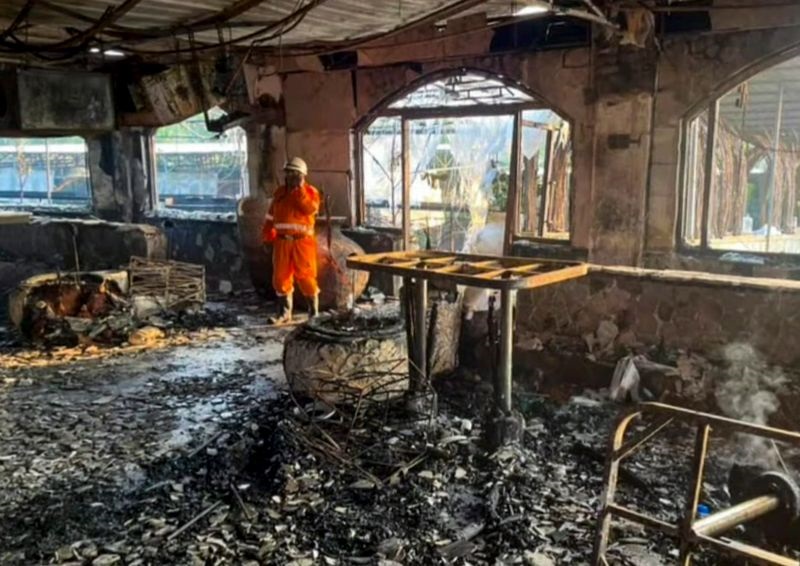
Everyone (and their dog) has suddenly become an expert on corruption in Goa, the chaos along the Bardez coast, and the links of the same with officials turning a blind eye and politicians getting their share of the pie. So, one more view might not cause any harm...
Like always, the "national" media wakes up to what is happening in Goa only when there's some sensational crime (or tragedy) here. For the rest of the year, Goa is only a 'party capital' of the nation, at best a State whose politics goes unexplained and gets trivialised.
Those who were telling us, till last week, how well things are going in Goa, are suddenly also in lament mode. It's a story of doom and gloom, for everyone from Rajdeep to the "national" media.
Goa's online and breaking-news sector did what it does best: tell the story fast, hurriedly and breathlessly. Within an hour or two, a Goa that was mostly asleep was told about the tragedy at Arpora that killed 23. The toll later went up to 25.
Pramod Sawant and Michael Lobo were quick to make it to the venue, looking worried if not frightened. Besides the sheer tragedy in human terms, an event with such a toll would obviously have its political ramifications too. Never mind that the Opposition has been conveniently emasculated.
Unchallenged corruption, lack of accountability, and a tourism growth which seems cancerous at times, can explain part of the crisis.
By now, we know most of the recent facts and some immediate causes. Fire safety violations (there's more than meets the eye here), lack of proper fire exits, inadequate safety equipment, overcrowding, a blatantly illegal construction, lack of NOCs, flammable decor, structural flaws, politics blocking action sought to be taken by some authorities, dramatic suspensions and action against a few heads, media headlines about the owners fleeing to Thailand and being brought back.... We've also heard of regulatory laxity (or worse), enforcement failures, and got the views of politicians and NGOs.
The debate shifted to Panaji, even New Delhi. Arpora itself was kept voiceless. Or too intimidated to speak out against a mafia. Even panchayat politics are dominated by party labels. If a sarpanch talks "too much", he has to face hours of questioning. When a Kazakh dancer explains what she went through, we soon hear questions about whether she was on a valid work visa in India.
But, beyond immediate blame and arrests, there are other important issues emerging here. The Birch by Romeo Lane killings of 25 reopens long standing issues that has been raised in Goa since at least the 1980s. That is: a tourism model driven by maximising volumes, rather than carrying capacity.
Most would have forgotten by now how concerned citizens raised issues about the tourism Goa was promoting, way back in the 1987. Long before protests over mass tourism in Barcelona (2017), Canary Islands, Palma de Mallorca or Ibiza (2024 and 2025), Goa protested against charter tourists landing here from Germany, and their 'cow-dung protests' made headlines worldwide. But only briefly.
Those issues were swept under the carpet, and never sought to be understood. Instead, those protesting were trivialised, though many debates today have echoes of issues taken up then.
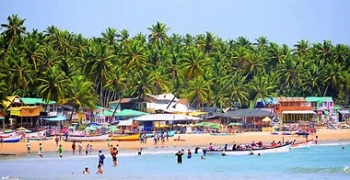
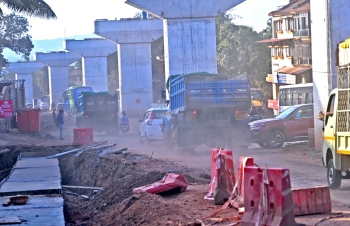
Today we have to also deal with weak (and deliberately manipulated) land-use planning that allows nightlife clusters to mushroom in villages. Even if there are crowded roads, set cheek by jowl in dusty rural areas.
Regulatory capture means licences, NOCs and 'regularisations' are not linked with safety norms. We have a situation where outstation entrepreneurs will cash in on outstation tourists, who are serviced by migrant workers (also leading the death toll). Then, we will be told that tourism helps Goa.
Local self government is eroded, as panchayat objections are sidelined and overruled. Our political economy treats tourism growth numbers as an unquestionable good. Its risks and costs are made to be paid by workers, residents, the ecology and public safety.
As a society, we let ourself just briefly mention that Birch by Romeo Lane was set up, of all places, in a salt pan! This should be reminding us of the dramatic transformation once sleepy villages like Arpora have seen. This has happened especially over the past decade or two. It has reshaped such second-line villages, in terms of their profile, at the behest of those offering hedonism at a price. Local political support has come speedily.
Researchers like Reyna Sequeira and the late Prof Harishchandra Nagvenkar have pointed out the speedy demise of Goa's traditional salt industry, and even the historic role it once played. Goan salt was exported to many different nations of Asia, and possibly beyond too (e.g. Africa).
But the death of traditions from the past have come in handy for those wanting to make their millions in controversial ways. It takes the death of 25 persons for such issues to emerge, that too, only temporarily. Had the dead been affluent tourists, the issues would have been seen very differently. Those who were killed were largely nameless, faceless migrant workers.
But let's not expect our political class to be concerned about such issues, once the initial fire dies down. Anyway, we now see only very few references to the deaths caused at the Canacona building collapse (2014, with 14-19 workers killed) or the Shirgao stampede (May 2025, six deaths).
It is the odd YouTube video which will now remind us about the unsolved and unexplained death of British tourist Scarlet Keeling besides those of young tourists from Finland and elsewhere. Some of their relatives haven't give up as yet. If only Goa's concerned citizens could understand the issues better, and take these up with more determination...