


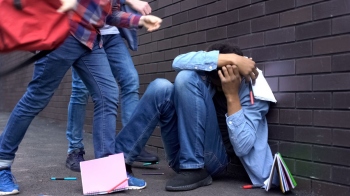
Violent behaviour among youths has become a serious cause of concern for the society at large in recent times.
We were out for a quiet dinner at one of the famous shacks in Benaulim on the eve of the elections. While returning home, we noticed that a commotion had broken out on one of the interior roads near Khareband.
A couple of youngsters quite oblivious to the nuisance they were creating with their bikes in the middle of the road had got into an altercation with passers-by who were questioning their stubborn attitude. Quite obviously, they were in an inebriated state.
After throwing a few tantrums, they zoomed off on their bikes as if nothing had happened.
The very fact that not many thought it appropriate enough to confront the youths and berate them for their uncivil manners on the road -- and in the middle of the night at that -- points to a trend where the uncaring and non-interfering attitude of the public towards such incidents only fuels further brashness by such youngsters.
Or perhaps, understanding the perils of interfering in matters that do not concern them, people are taking the cautious approach by staying clear of such incidents that portend a violent outcome.
Verbal altercations, intimidating stances, obscene gestures and abusive language describe the defiance shown by youngsters finding themselves in ‘distressing’ situations. This adversity in modern times basically boils down to anything that hurts their ego.
It could be a hostile reaction to someone questioning their road etiquettes, admonishing them on their discourteous manners in public places; or a host of such other reasons where their cockiness invites castigation which they could easily get offended with.
It is this despicable behaviour that has come in for sharp criticism from all quarters but which tends to be forgotten and forgiven as immature acts that will change for the better as they age, many believe.
When we talk of youth violence in India, we generally associate it with student unrest and such other protests where the youth are at the forefront demanding solutions to their problems.
But what we are referring to is something far worse than that!
During adolescence and young adulthood people appear to be more prone to violent behaviour.
“A greater tendency to violent behaviour appears to be associated with hyperactivity, impulsivity and low tolerance for frustration and provocation in social settings.”
Imagine the scary picture of a young driver pulling out a gun on a motorcyclist during a road rage incident!
Although gun-culture is yet to manifest itself in its worst form in India; traditionally seen as a symbol of bravery and status, firearms are gaining attention for less dignified reasons.
The Jessica Lal murder case of 1999 comes readily to one’s mind. But then this was a high-profile case that garnered the entire nation’s attention!
What could be more worrisome than having an eighteen-year old boy bringing a firearm to his school just to impress his friends? Sounds frightening!
Last year, the media was agog with news about two teenage students from Agra in Uttar Pradesh who shot their teacher in the leg and later recorded a video branding themselves ‘gangsters’.
Such episodes may sound atrocious; but as so rightly explained, gun violence is not just a US problem! Apprehensions over its ‘infiltration’ into our educational institution premises cannot be overlooked either!
It is such rude manners bordering on sheer arrogance that has youngsters even questioning the authorities at times.
Youth violence is described as the intentional use of physical force or power to threaten or harm others by young people between ages 10-24. It can include fighting, bullying, threats with weapons, and gang-related violence.
Some days back, while returning from a late night show, we happened to see a heated argument taking place between an elderly gentleman and a youngster along the Eastern Bypass in Margao. He was apparently miffed at the way the young lad was riding his bike.
After giving him a piece of his mind, the elderly person got into his car and drove off. I was aghast to see the youngster pumping the air with his clenched fists and following the car for quite a distance.
With this sort of a psyche; many, rightfully called the future of the nation, are charting a dangerous course.
An anguished submission that ‘the frequency and severity of youth violence incidents appear to be escalating, leaving a trail of devastating consequences ranging from physical altercations to tragic outcomes such as homicide’, echoes the sentiments of a larger part of the society which is at pain to understand this queer phenomenon that has come to afflict our youths today.
One cannot however concur completely with the argument that youth violence is caused to some extent by socioeconomic disparities. We have had instances where children from well-to-do families are known to have given into outbursts of violence for the flimsiest of reasons.
However, one cannot just generalize these violent actions as misbehaviour of the rich kids or wrongdoings of youngsters from the lower economic strata in the society!
Yet, the contention that factors such as poverty, lack of education, exposure to violence in the community or on screen and inadequate support systems can contribute to the perpetuation of youth violence cannot be denied either.
Influenced by the TV and cinematic adaptations of crime fictions, some youngsters have dared to commit the most appalling crimes. The upshots of social media ‘inspiring’ violence among youth present a very troublesome scenario.
There can be no doubt whatsoever about the fact that the rising prevalence of violent behaviour among youths in our communities poses a significant threat to public health and safety.
“Arresting the upward trend in youth violence demands our collective commitment, compassion and wisdom to implement practical measures that will foster a safer and more equitable world for our future generations,” suggests an article on this subject.


