


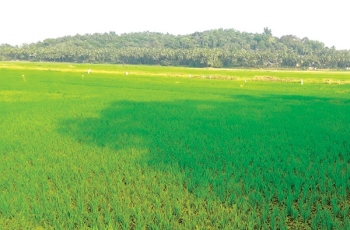
The recent climb-down by the Pramod Sawant-led government from its untenable position on the Pernem draft zoning plan is another instance of the ruling dispensation succumbing to sustained public pressure.
However, considering that the earlier governments in the past too were susceptible to such ‘mood swings’, would it be right to haul the present dispensation over the coals for their limitations!
I say ‘mood’ because most of the policy decisions taken these days have primarily depended on the impulsiveness of the concerned ministries with no hints ever given about going back on the decisions taken no matter what the ‘external stimuli’.
For that matter, earlier, publish anguish has been exhibited in no uncertain terms only when it came to matters which hurt people’s sentiments. The ‘Goem Goemkar Goemkarponn’ concept has cropped up as an issue among the locals only in the recent decades with strong exceptions being taken to anything that affects the region’s individuality.
This has necessitated a cautious approach to be taken by the government whenever there are intentions to bring about changes in the existing system or plans are afoot to introduce developmental programmes in keeping with the changing times.
However, with the ‘people’ factor strangely missing out of all its deliberations in the earlier stages of any policy planning, ‘bowing down to public sentiments’ as that appeasing aspect compelling governments to make U-turns on earlier pronouncements made on any issue hardly merits any comment.
Bringing any policy matter concerning the people in to the public domain and inviting debates on the matter has never been an approach favoured by many ruling dispensations.
Rather, when questioned by the people about the viability and effectiveness of the project under consideration; riding roughshod over all objections made, the aggressiveness shown by concerned ministries to go all out to get the plans executed has been that ‘highhandedness’ which has characterized governments over the years.
Terming all opposition to the projects as manifestations of activism, the governments themselves have been ‘guilty’ of developing a public consensus against their inconsiderateness over various matters that seemingly affect the locals.
Public demonstrations and protests with people coming together and rallying around a united cause have often sent across strong messages to the government that the issue under consideration was one the public cared about. When we observe practices that cause harm, we feel obliged to speak up! This then has been the collective response from the locals in Goa countering the unhealthy promulgations by the government.
But at the same time, so often has the State government been pushed onto the back foot where it has had to hurriedly backtrack on earlier resolutions made, that at most of the times the sincerity of the attempts made in endorsing a particular proposal remains in doubt.
In cancelling the highly controversial Pernem Zoning Plan, the State government has once again shown its susceptibility to buckle under pressure and when the pressure comes from the people, the locals, who feel aggrieved over the ungainly ways of the government, it is bound to have far-reaching consequences. If the sentiments of the people have been the criteria for the abrupt revocation of the Pernem Zoning Plan, why did the government not find it appropriate to consult the people of the area on this matter earlier!
As is quite obvious, these decisions came along with plans or blueprints prepared by consultants employed for the project and have cost the government a bomb. Let us also not forget that the money paid to these consultants came from the public exchequer.
Voicing his opinion on the cancellation of the plan, the TCP Minister said, “The Pernem Zoning Plan has no value as of today. You call it in abeyance or scrapped.” But as so very rightly mentioned in an editorial on this subject, “even scrapped decisions do not come free!”
The assurances of the Chief Minister to a delegation of people from Pernem when they went to him for scrapping the plans that he respects their feelings and no zoning plan or any other plan would ever be drafted without taking them into confidence did serve to assuage the upset citizens.
Let us also hope that the same standards would be adopted for all such plans in future which will necessitate the taking of locals into confidence over their feasibility.
However, it has always been the case of people’s power prevailing over the irrational ways of the government when one is to look into a number of cases in the immediate past where the government has had to reverse quite a few of them under public pressure.
It however implies that the government has never thought seriously about taking locals on board for matters that concern the development of a region. But speaking otherwise, over the past so many years, has any government been that candid with people to involve them in its working!
Yet at the same time, with agitations having become the prerogative of a select few who come out harshly against the domineering ways of the government, it becomes equally essential to have people in any region showing some sense of awareness about their area to have a collective say about its constitution and governance.
It thus becomes pertinent to have every resident having a fairly good knowledge of the area that he dwells in and the problems that beset the locals. Ignorance about such facts will deprive him the right to have a say in the development of the region.
It is this ignorance that is capitalized on by vested groups to further their interests. People need to be aware about the politics being played over such issues which in turn becomes detrimental to the progress of their region. People’s solidarity can surmount the worst of crises!


