The importance of accessible, reliable, and affordable electricity cannot be overemphasized as we are becoming more reliant on electricity for everything from industrial usages, healthcare services, education, automobiles, to home appliances.
Uninterrupted power supply has become crucial as never before in ensuring sustainable socio-economic development of India. This shift makes our economy more sensitive to power outages as they not only result in economic loss but also have social implications such as disturbance in essential services like water supply, security considerations on streets, and accidents, etc.
In recent years, substantial efforts have been made on supply side to minimize power outages. India has now emerged as the third-largest producer of electricity with installed capacity of 428 GW as of December 2023.
Moreover, there has been significant focus on renewable energy with the target of 500 GW of installed capacity by 2030. Whereas significant improvement has been achieved on supply side, electricity demand has continued to surge with per capita power consumption rising from 957 kWh in 2013-14 to 1255 kWh in 2021-22 at all India level.
As Indian power sector has witnessed a major turnaround, the state of Goa is no exception. Goa has consistently witnessed significantly higher per capita electricity consumption in comparison to other states and all India average.
Goa’s per capita power consumption has increased steadily from 2,198 kWh in 2013-14 to 3,736 kWh in 2021-22. In view of growing electricity demand, certain challenges like effective load management to cater to the growing demand and increasing the share of green power within the supply mix needs to be addressed to ensure 24×7 reliable electricity supply to all its citizens.
While promotion of energy-efficient appliances among consumers is one of the crucial demand side measures for load management, measures like augmentation in transmission and distribution network are also necessary from supply side for ensuring reliable power supply.
This is indeed very crucial for Goa as the current power infrastructure in Goa is in a fragile state with N-1 transmission constraints being observed. If the existing 400 kV transmission line from the western grid collapses due to natural calamity or any other major technical glitch, that could leave Goa without power for more than three days.
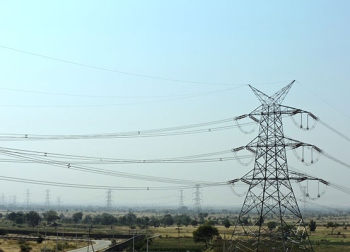
Goa Tamnar Transmission Project Limited (GTTPL) that is currently implementing a transmission line project in Goa, is one such strategic initiative that can address all these concerns.
GTTPL project will augment and strengthen the transmission infrastructure that will take care of Goa’s power demand for the next 15-20 years. This along with improvement in distribution network will ensure power supply stability to the state.
Besides ensuring long-term power security for Goa, GTTPL project will also play a vital role in terms of increasing the share of green power within the supply mix. The Xeldem-Narendra transmission line of the project would potentially connect Goa with upcoming solar energy project in Karnataka and will enable approximately 1,200+ MW of power supply to the state.
This will also help the state to meet the renewable purchase obligation as per the target fixed by the regulatory agencies from time to time. Moreover, the more reliable power supply after the commissioning of project will help in reducing the dependence of residents and businesses on expensive and polluting diesel-based generators.
While bringing reliable and green power to the state, GTTPL is also committed to take pro-environmental actions and work in collaboration with local communities.
We have worked with a wide spectrum of stakeholders including land owners, comunidades, as well as district & local authorities. This has helped not only in the disbursement of compensation payments to the landowners but also in gaining support of local community in our interventions related to environment and sustainability.
We have also strived to address the concerns of land owners related to crop damage during the construction of line by using some technology interventions like drone stringing. We have adopted sustainable construction practices to minimise even the temporary impact during the project implementation phase.
Till now, we have planted over 16,000 trees at various locations in Goa in collaboration with the local communities. Besides, we have distributed essential school supplies across 20 government schools in Goa which has positively impacted over 700 students across 19 villages in the state.
We are grateful to the people of Goa as well as the administration for all the support that we have received so far for the project as well as our small interventions for community and environment.
With power being the primary ‘Growth Engine’ for an economy, GTTPL project is expected to be a game changer for the state Goa. Availability of reliable, uninterrupted, and 24×7 power supply will foster much required diversification of industrial base and reduce the state’s dependence on tourism and mining sector.
This will further boost economic growth and increase per capital income by creating employment opportunities. While we are approaching the deadline of early 2024, we urge continued support from all our stakeholders for timely completion of the project.