The festivals are over. The competitions have ended. The experts have spoken. But has anything fundamentally changed in how Goa's educational institutions care for their students?
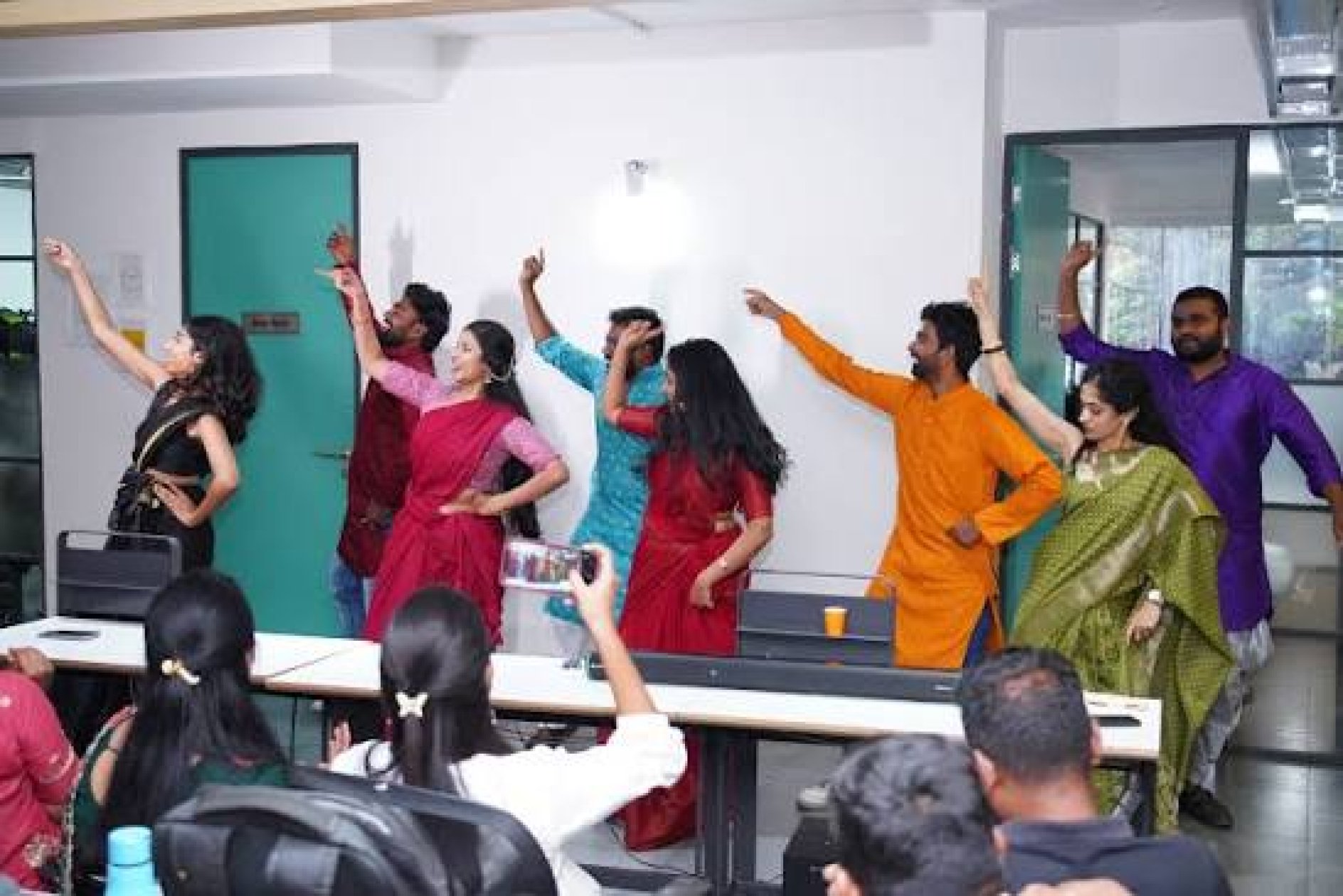
The banners have come down. The competitions are over. The certificates have been distributed. Across Goa's educational institutions, World Mental Health Day was marked with festivals, awareness campaigns, workshops and lectures by mental-health professionals. Students participated, experts shared insights, institutions posted photographs and social media overflowed with messages about emotional wellbeing.
Did we strengthen mental-health services, or simply organise another successful event?
Did institutions assess whether their counsellors were overwhelmed? Were additional professionals appointed? Were referral systems strengthened? Were teachers and hostel staff trained to respond to psychological distress? Did budgets change? Were temporary positions converted into stable appointments?
Awareness matters. Conversations matter. But awareness without accessible services risks becoming institutional self-congratulation.
A poster cannot provide counselling. A competition cannot ensure continuity of care. A two-hour lecture cannot replace a trained professional. And a photograph cannot tell us whether a distressed student will receive help tomorrow.
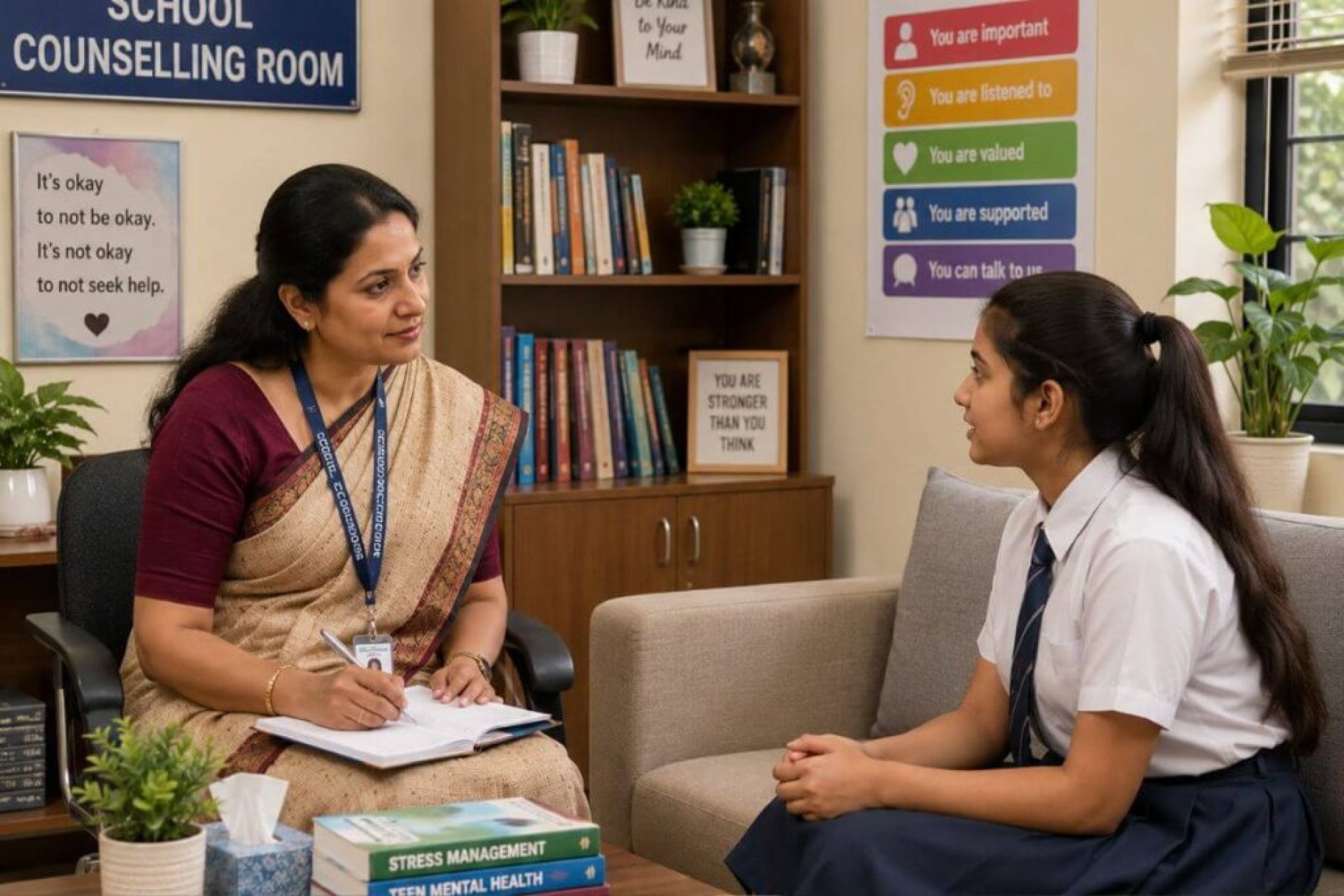
The real measure of commitment is what happens on an ordinary Monday morning when a student enters a counselling room, frightened and uncertain whether anyone will listen.
And here lies Goa's uncomfortable contradiction.
While mental health is increasingly recognised as essential, many professionals entrusted with supporting students continue on contractual appointments, often subject to annual renewal.
Mental health, apparently, is a permanent concern. The mental-health professional can remain temporary.
We tell students that emotional wellbeing requires stability, trust and continuity. Yet the professionals expected to provide these very things may have no certainty about their employment beyond the next renewal. We expect students to build lasting therapeutic relationships with professionals whose employment may not last.
Goa has certainly made progress. Counselling services are more visible, institutions increasingly recognise psychological support, and students are more familiar with conversations about emotional distress. This deserves acknowledgement.
But appointing counsellors is not the same as building a mental-health ecosystem.
Consider their responsibilities: Anxiety, depression, academic pressure, family conflict, bullying, grief, substance use, self-harm, suicidal thoughts and psychiatric concerns. Add confidentiality, referrals, parental engagement, teacher sensitisation, documentation and emergencies.
Some serve hundreds of students with limited professional support. Their work demands competence, ethical judgement and considerable emotional labour.
And after all this, what assurance do we offer? Your contract will be reviewed next year.
Annual contractual renewal is not merely an employment issue. It can affect continuity of care, professional retention, student confidence and help-seeking.
Counselling is not a transaction completed in one appointment. Therapeutic relationships develop over time. A student experiencing trauma, depression, abuse or suicidal thoughts may take months to develop sufficient trust to speak openly.
Imagine finally finding someone who listens without judgement, understands your history and provides consistent support.
Then imagine discovering that your counsellor is unavailable because the contract ended, renewal was delayed or the professional accepted more secure employment.
Must the student begin again? Retell the trauma? Rebuild the trust? Reopen wounds because an administrative arrangement could not guarantee continuity?
Another consequence receives insufficient attention: The demand for mental-health services itself may be affected.
Students seek help when they trust the professional and believe support will remain accessible. Frequent changes can weaken confidence, discourage help-seeking and interrupt ongoing care.
An empty counselling room does not necessarily mean emotionally healthy students. It may indicate a service that students have stopped believing in.
Annual renewals may be administratively convenient. But are they clinically appropriate, ethically responsible or compatible with sustained care?
We understand infrastructure when it is visible: Academic blocks, laboratories, sports complexes, smart classrooms and digital facilities. Why is a qualified mental-health professional not treated with the same seriousness?
We find resources for buildings, expansion, technology and institutional branding. Yet sustained investment in mental-health professionals often struggles for comparable priority.
A counsellor is not an optional campus accessory. Counselling requires continuity, accessibility, confidentiality, supervision and functioning referrals.
The Supreme Court's intervention on student mental health has emphasised institutional policies, qualified professionals, mentorship, staff sensitisation, referral mechanisms, safeguards against bullying and harassment, and accountability.
The message is unmistakable: Mental health cannot remain an occasional activity. It must become institutional infrastructure. We need a statewide assessment covering schools, higher secondary schools, colleges and universities.
How many have qualified professionals? How many students does each counsellor serve? How many positions are permanent or contractual?
These are not bureaucratic questions. They concern safety, dignity and institutional responsibility.
Goa has witnessed distressing incidents involving students that should have prompted sustained reflection. Yet crises too often produce a familiar cycle: Concern, statements, meetings, promises and eventually silence.
We cannot demand qualified professionals while offering limited employment stability. When experienced counsellors leave, institutions may lose expertise, relationships and established referral networks.
Mental-health infrastructure requires investment in people, not merely advertisements for vacancies.
And mental health cannot remain solely the counsellor's responsibility.
Counselling cannot compensate for humiliation, bullying, discrimination, toxic competition, unreasonable academic pressure or adults dismissing distress as attention-seeking.
A student may receive counselling for anxiety and return to an environment that intensifies it.
Teachers, administrators, managements, parents, healthcare professionals and policymakers must share responsibility. Dignity, inclusion and emotional safety deserve the same seriousness as academic performance.
Students must also be heard. Are we listening when they question confidentiality, describe bullying or say they sought help but felt ignored?
Goa needs measurable commitments: Adequate staffing, stable positions, continuity-of-care safeguards, trained teachers and hostel personnel, functional referrals, crisis protocols, confidential reporting and independent reviews. These require budgets, timelines and accountability—not merely goodwill.
When banners disappear and photographs fade, who remains accountable for the student still needing help—and the counsellor whose contract may not be renewed?
And perhaps the most uncomfortable question: If mental health is important enough to protect lives, why are we still comfortable keeping mental-health care on contract?