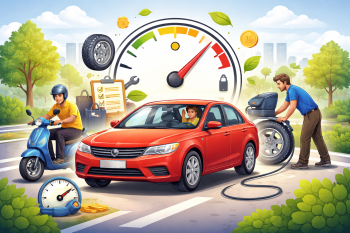
With global tensions pushing fuel prices higher, daily travel is becoming more expensive for Indian motorists. For many households, fuel is now one of the biggest monthly expenses. Whether you drive a car or ride a two-wheeler, small changes in your habits can make a meaningful difference. In times like these, fuel efficiency is not just about saving money”it is about being practical and prepared.
Smooth driving makes a big difference
One of the simplest ways to save fuel is to drive smoothly. Sudden acceleration and hard braking force the engine to consume more fuel than necessary.
Instead, try to:
* Accelerate gently
* Maintain a steady speed
* Slow down gradually
In city traffic, this may seem difficult, but even minor improvements in driving style can increase fuel efficiency by up to 15“20%. Anticipating traffic signals and keeping a safe distance from the vehicle ahead can help avoid unnecessary braking.
Tyre pressure matters more than you think
Many drivers ignore tyre pressure, but it plays a crucial role in fuel consumption. Under-inflated tyres create more resistance on the road, which makes the engine work harder.
Make it a habit to:
* Check tyre pressure every two weeks
* Ensure it matches the recommended level
Properly inflated tyres not only improve mileage but also increase safety and tyre life.
Switch off at signals
In Indian cities, long traffic signals and frequent stops are common. Keeping the engine running during these waits wastes fuel.
If you are stopping for more than 30“40 seconds, it is better to switch off the engine. While many modern vehicles come with automatic start-stop systems, doing this manually in older vehicles can still lead to noticeable savings over time.
Reduce unnecessary weight
Carrying extra weight reduces fuel efficiency. Many people keep unused items in their car boot or attach accessories that add load.
To improve mileage:
* Remove unnecessary items
* Avoid heavy roof carriers unless required
A lighter vehicle requires less energy to move, which directly saves fuel.
Keep your vehicle
well maintained
Regular servicing is essential for fuel efficiency. A poorly maintained engine consumes more fuel and performs less efficiently.
Key things to check include:
* Clean air filters
* Correct engine oil levels
* Timely servicing
Even small issues, if ignored, can reduce mileage over time and increase running costs.
Use gears correctly
Driving in the wrong gear is a common mistake, especially in city traffic. High engine revving in lower gears burns more fuel.
For better efficiency:
* Shift to higher gears as soon as possible
* Avoid over-revving
* Ride bikes in the correct gear for your speed
Using gears properly keeps the engine relaxed and improves mileage.
Use air conditioning wisely
Air conditioning can significantly increase fuel consumption, particularly in slow-moving traffic.
To reduce its impact:
* Use AC only when necessary
* Avoid setting very low temperatures
* Switch it off in lighter traffic or cooler weather
Balancing comfort and efficiency can help save fuel without much compromise.
Plan your trips better
Poor planning leads to more fuel usage. Frequent short trips in heavy traffic consume more fuel than fewer, well-planned journeys.
You can save fuel by:
* Combining multiple errands into one trip
* Avoiding peak traffic hours
* Using navigation apps to find less congested routes
Better planning not only saves fuel but also reduces travel time and stress.
Rethink daily travel habits
With fuel costs rising, it may also be worth reconsidering how often and how far you travel.
Options include:
* Carpooling with colleagues
* Using public transport occasionally
* Walking or cycling for short distances
These small lifestyle changes can reduce fuel expenses and also ease traffic congestion in cities.
Small changes, real impact
Fuel conservation does not require major sacrifices. It is about adopting simple, consistent habits. Smooth driving, regular maintenance, and smarter planning can together reduce fuel consumption significantly.
As global uncertainties continue to affect fuel prices, Indian motorists will need to adapt. Saving fuel today is not just about cutting costs”it is about making everyday travel more efficient and sustainable.