


PANAJI
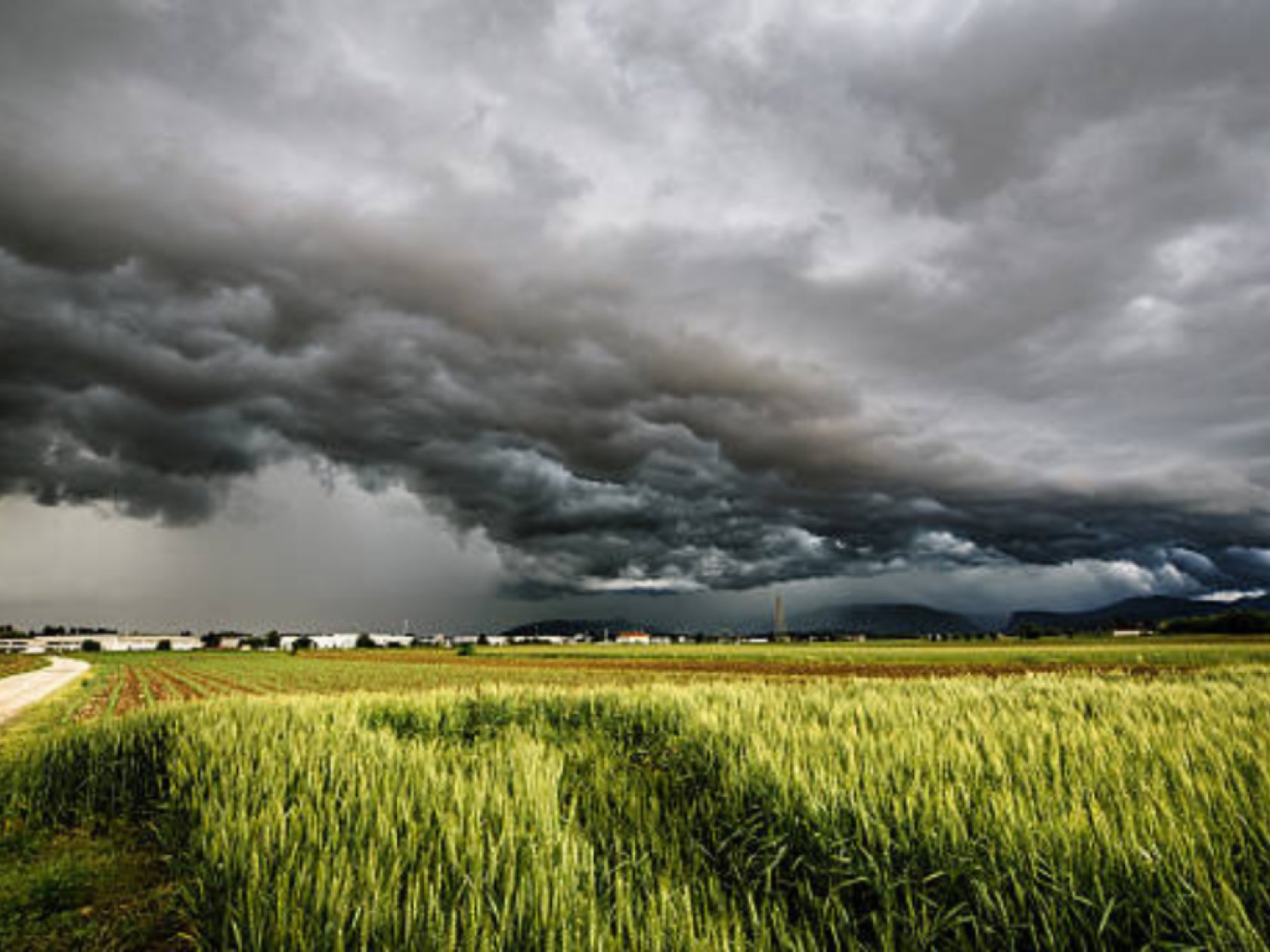
The good news is that Goa has narrowly avoided a drought-like situation despite receiving below-normal rainfall during key monsoon months. The bad news is that the season was anything but smooth. The long dry spells through June, July and parts of August left farmers anxious and fields parched at crucial stages of crop growth.
A timely revival of rains in August, however, may have saved the season from turning into a disaster.
"Several areas were under stress due to insufficient rainfall, but the showers we received later in August helped revive large stretches of paddy fields," a Zonal Agriculture Officer from North Goa said.
Farmers kept guessing
For farmers in an entirely rain-fed Goa, this monsoon was a lesson in uncertainty.
In Salcete and several other paddy-growing belts, the problem was not just less rain but poorly distributed rain. Weeks of dry weather during the early stages of cultivation delayed transplantation and disrupted crop establishment.
"The biggest challenge was the erratic nature and periodicity of the rains and not just the shortfall," said a junior field officer from the Salcete setup of the Agriculture department.
"Some areas received enough rainfall in a short period, while others went through prolonged dry spells during critical stages of crop growth."
The consequences for some farmers were immediate and many of them had their nurseries ready on time but could not transplant the seedlings because their fields lacked sufficient standing water.
"Everything was prepared for transplantation, but there simply wasn't enough water in the fields," the agriculture official in Salcete said.
In some areas like Benaulim and adjacent villages, several farmers even resorted to pumping water into their fields from nearby wells.
In one instance water was pumped into fields belonging to St Baptist Church, Benaulim, to enable transplanting and the video of the operation posted on social media had gone viral.
Also, when the rains finally came, farmers were forced to move quickly to transplant saplings from nurseries to the entire stretch of their fields.
Experts say delayed transplantation shortens the crop's effective growing period and can affect grain formation, making the crop more vulnerable to weather stress later in its life cycle.
Harvest will reveal effect
Despite the challenges, officials are reluctant to predict losses before the harvest actually begins.
Standing crops may look healthy, but only harvested grain will reveal whether productivity has taken a hit.
A senior agriculture official said yield variations are likely across the State, depending on when rainfall arrived and how long dry spells lasted in those specific areas.
"We do not expect a complete crop loss because rainfall improved during the latter half of the season," Agriculture Director Chandrahas Naik Desai, said, adding that yields could vary significantly from village to village.
For many farmers, the coming weeks will be the moment of truth.
After months of battling uncertain weather, the harvest will finally reveal whether the season's struggles translated into lower output or whether the late rains came just in time.
Betting on
short-duration varieties
One strategy adopted by the Agriculture Department this season was to encourage farmers to sow paddy varieties better suited to unpredictable weather conditions.
Officials promoted three major varieties, Jaya, Jyoti and Karjat, supplying seeds at subsidised rates through departmental outlets and those of Bhagyatdar cooperative.
"These are varieties that mature relatively faster and are better equipped to cope with changing rainfall patterns," a senior agriculture officer said.
The push for such varieties reflects a growing recognition that traditional cropping calendars can no longer be taken for granted. With monsoons becoming increasingly erratic, shorter-duration crops provide farmers greater flexibility and reduce their exposure to prolonged weather uncertainty.
Climate change:
Theory to reality
For many in the agriculture sector, the season has reinforced a much larger concern: Climate change is no longer a future threat. It is already impacting their decisions on farming patterns.
Most of Goa's paddy cultivation remains heavily dependent on natural rainfall rather than assured irrigation. That dependence leaves farmers increasingly exposed to extreme weather events, Desai said.
Ironically, last year presented the opposite problem.
Rainfall remained largely normal during most of the kharif season, only for relentless showers to arrive when fields were ready for harvest. The excess rain destroyed standing crops across Goa and forced the government to step in with compensation packages.
This year, the threat came from the other direction.
ICAR's scientists point out that delayed monsoons, intense rainfall bursts and prolonged dry spells are becoming increasingly frequent.
"The experience of this season highlights why climate-resilient agriculture is becoming so important," said an agriculture extension officer based in Ella, Old Goa.
"Farmers need to be given scientific advice on better seed varieties, improved water management and timely weather advisories. These are areas where the department is continuing to strengthen its support to farmers," he added.
Rabi season: The next worry
While farmers remain focused on harvesting kharif paddy, officials are already looking ahead and what happens next may depend less on rainfall and more on how much water Goa managed to store.
The upcoming winter months are predicted to be warmer due to the same El Nino phenomenon which experts say will extend to the early months of 2027.
And, unlike kharif cultivation, which thrives on monsoon rains, the rabi season relies heavily on groundwater reserves, wells, ponds, lakes and traditional tollem systems. Residual soil moisture accumulated during the monsoon also plays a crucial role. This is where a deficit monsoon can leave its long shadow.
"The main concern for the rabi season is groundwater recharge," a senior Agriculture Department official said.
The water levels in wells, ponds and other traditional irrigation sources over the next few weeks will determine how much land can be brought under cultivation during winter.
Pulses may find
favour with farmers
Rabi cultivation in Goa is very different from the kharif season.
Paddy acreage shrinks considerably as many farmers switch to crops such as cowpea (chavali), field bean (alsano) and a wide range of vegetables including brinjal, chilli, cucumber, and leafy greens.
But if water remains scarce, cropping choices could change.
"Farmers tend to become cautious during years of deficient rainfall," the official explained.
"We may see a greater preference for pulses and other crops with lower water requirements if uncertainty continues."
Vegetable cultivation could face the biggest challenge because many vegetables require regular irrigation throughout their growth cycle. Reduced water availability may not only shrink cultivated areas but could also affect productivity and market supplies.
Preparing for a
water-stressed future
Despite the concerns, agriculture officials remain cautiously optimistic and believe that better water management can soften the impact of a weak monsoon.
"We have been advising farmers to conserve water, desilt traditional ponds and use irrigation more efficiently," an official said.
"Micro-irrigation systems such as drip irrigation can make a significant difference during periods of water stress."
The government, especially the Water Resources Department is expected to closely monitor water storage levels at the major reservoirs after the monsoon before issuing detailed advisories for the rabi season.
Meanwhile, environmentalists and agriculture experts point out that the current season should serve as a wake-up call and prompt decision makers to promote stronger watershed development, expanded rainwater harvesting, developing additional farm ponds and wider adoption of climate-resilient crop varieties.
Goa's paddy fields appear to have weathered the monsoon's many twists and turns. But appearances can be deceptive with the officialdom wanting to believe that the kharif crop may have survived.
Whether it truly has will only become clear when farmers begin harvesting and tallying their returns. Only then will Goa know the real price paid for this year's monsoon shaped by the El Niño phenomenon.


