TEAM AUTO | THE GOAN
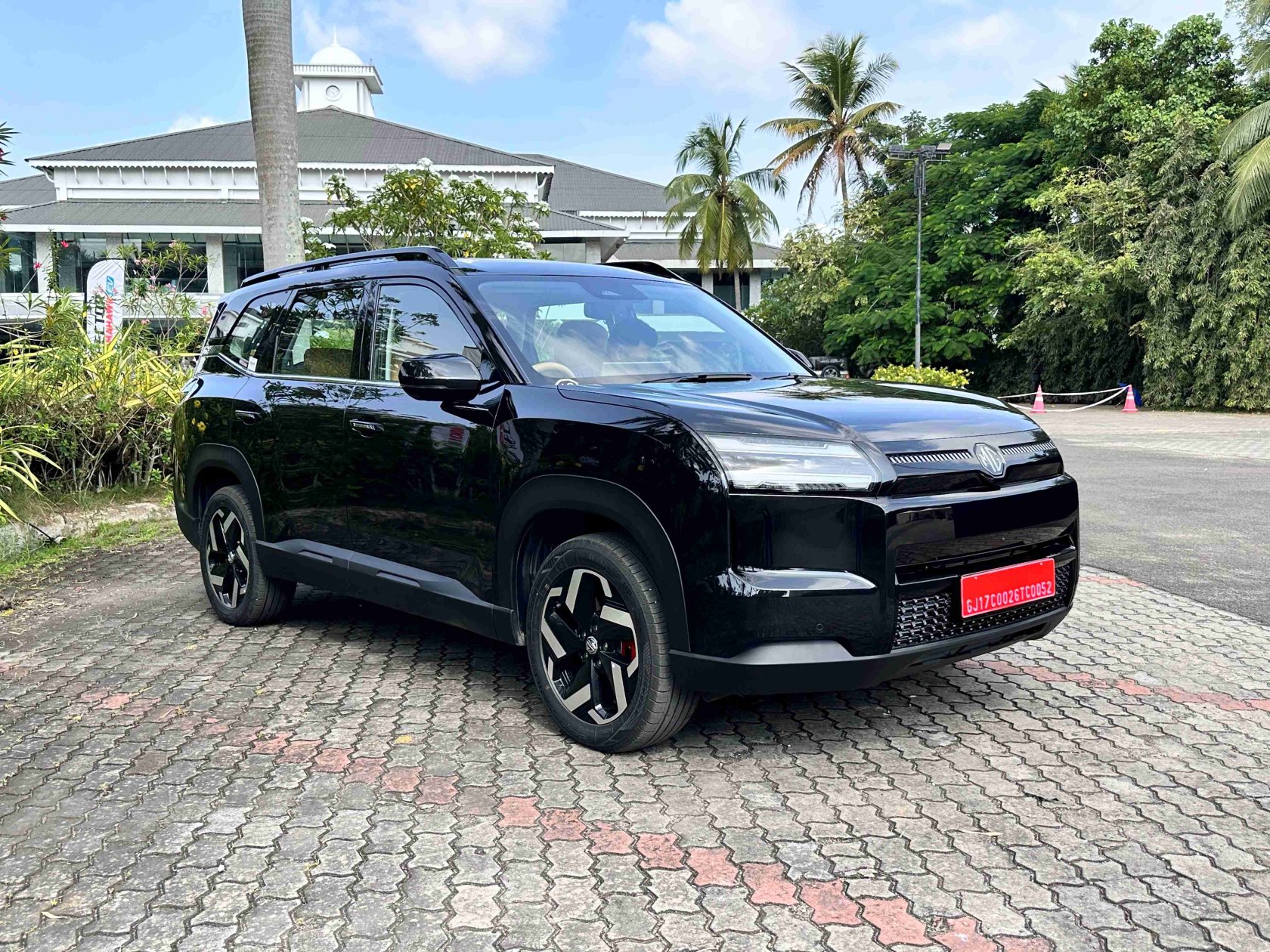
The end of the monsoon may bring clearer skies and drier roads, but it does not mean your car can simply return to its normal routine. Months of rain, humidity, waterlogged roads, mud and moisture can leave behind problems that may not be immediately visible.For car owners in Goa, where heavy rainfall and humid conditions can put additional stress on vehicles, the post-monsoon period is a good time to give the car a thorough check. A little attention now can prevent small problems from becoming expensive repairs later.
Start with a proper wash
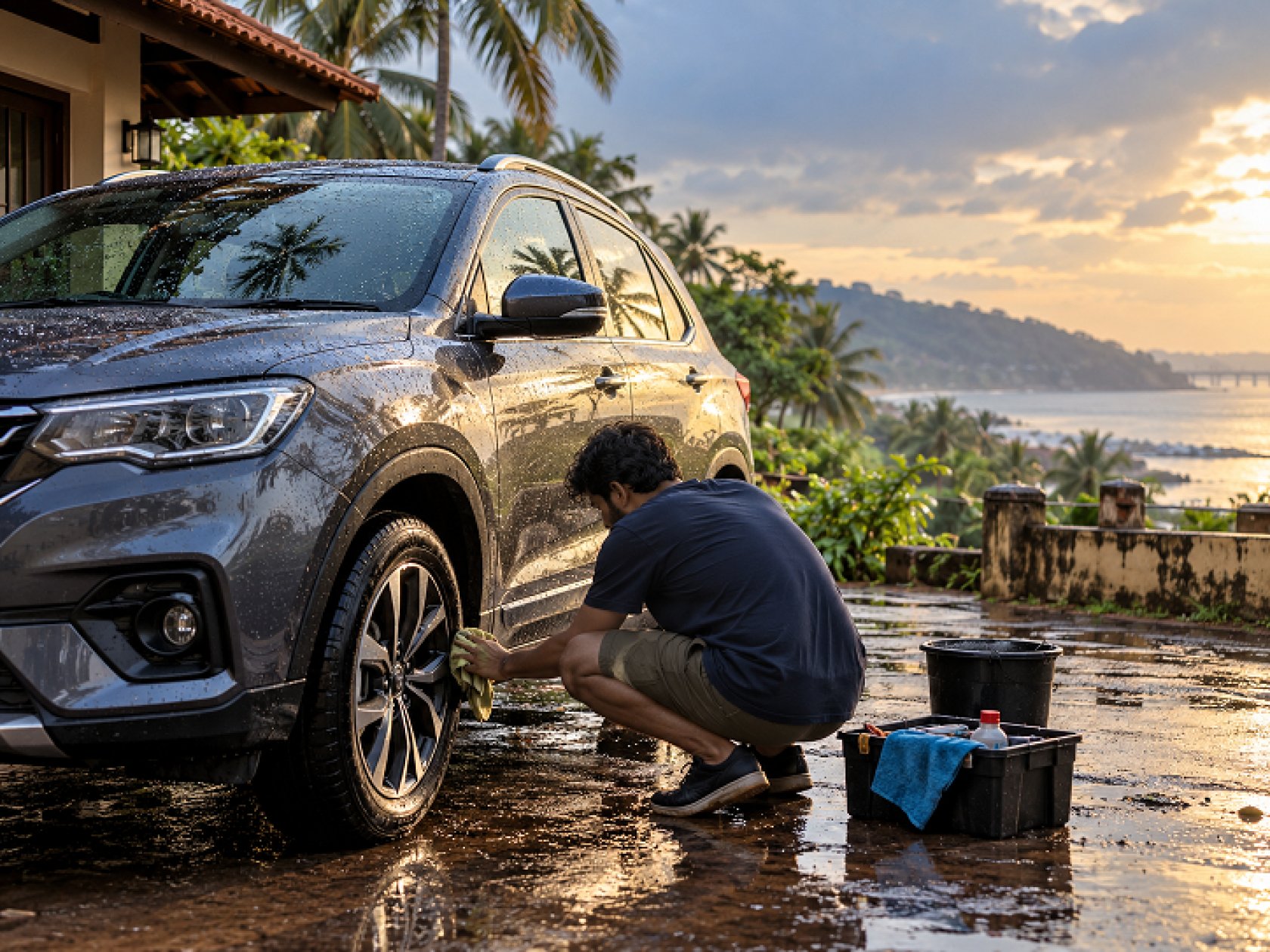
One of the simplest things you can do after the monsoon is give the car a thorough wash. Rainwater itself is not necessarily the biggest problem; mud, dirt, road grime and other contaminants that accumulate on the body and underbody can cause trouble if left there.
Pay particular attention to the wheel arches, underbody, suspension components and areas around the doors. If the car has frequently travelled through flooded or muddy roads, an underbody wash is especially useful.
Once the car is clean and completely dry, inspect the paintwork for stains, scratches or signs of corrosion. Applying a good-quality wax or paint protection can also help protect the exterior.
Check tyres carefully
Wet roads can be particularly demanding on tyres. After months of monsoon driving, inspect all four tyres for uneven wear, cuts, cracks, bulges and objects embedded in the tread.
Check the tread depth as well. Tyres with insufficient tread can compromise grip, particularly when roads remain wet after a shower.
Do not forget the spare tyre. It may spend most of its time hidden in the boot, but it needs to be properly inflated and in usable condition when an emergency occurs.
It is also worth checking wheel alignment and balancing if you have driven through potholes or rough roads. Vibrations, steering pulling to one side or uneven tyre wear can be warning signs.
Give brakes some attention
Brakes experience plenty of exposure to water, mud and grime during the rainy season. If you notice squeaking, grinding, vibrations while braking or a change in pedal feel, get the system inspected.
Even if there are no obvious symptoms, a post-monsoon check can identify worn brake pads, damaged components or other issues before they become serious.
Brake fluid should also be checked as part of routine servicing. If your car is due for a scheduled service, the end of the monsoon is a convenient time to get these checks done together.
Look under the bonnet
Humidity and moisture can affect several components under the bonnet. Check the battery terminals for corrosion and make sure they are clean and secure.
Inspect the belts, hoses and visible wiring for signs of wear or damage. Fluid levels should also be checked, including engine oil, coolant, brake fluid and windscreen washer fluid.
If you frequently drove through waterlogged areas, pay attention to any unusual changes in the engine's behaviour. Difficulty starting, unusual noises, warning lights or changes in performance should not be ignored.
Don't forget AC system
In Goa's humid climate, the air-conditioning system works hard throughout much of the year. During the monsoon, moisture can also contribute to unpleasant smells inside the cabin.
If the air-conditioning smells musty, airflow has reduced or the system is not cooling as effectively as before, check the cabin air filter and have the system inspected if necessary.
A clean cabin filter can improve airflow and help keep the air inside the car fresher.
Check the interiors
Water can enter a vehicle through damaged door seals, windows, the boot or other openings. Lift the floor mats and check for dampness, unusual smells or signs of water accumulation.
Moisture trapped under carpets can eventually contribute to mould, corrosion and electrical problems. If the interior has become damp, it is important to dry it thoroughly rather than simply covering up the smell with an air freshener.
Also check the boot, particularly if you carry tools, luggage or other items that may have remained exposed to moisture.
Inspect lights and wipers
Rainy-season driving places considerable demands on wipers. If the blades are leaving streaks, making noise or failing to clear the windscreen properly, replacing them is inexpensive compared with the visibility problems caused by worn blades.
Check the headlights, brake lights, indicators, reverse lights and hazard lights as well. Clean lenses and functioning bulbs are important not only at night but also during poor visibility.
Think beyond monsoon
Post-monsoon maintenance is not just about repairing damage. It is also about preparing the car for the months ahead.
Once the rainy season is over, many drivers may return to longer drives, highway trips and regular travel without giving their cars a second thought. That makes this a useful time to check the vehicle's overall condition, update the service schedule and deal with small problems that may have developed during the monsoon.
A car does not always tell you when something is beginning to go wrong. Strange noises, warning lights, unusual smells, vibrations or changes in handling are often early clues.
So, before the monsoon becomes a memory, give your car one final check. **The roads may be getting drier, but your car still needs some attention.**