PANAJI
More than a year after adopting its State Agriculture Policy, the Pramod Sawant government has rolled out three State sector schemes aimed at improving crop yields, modernising farming practices and reviving traditional Khazan cultivation.
Under the flagship scheme, farmers will receive a 50 per cent subsidy on high‑yielding and certified seeds of paddy, pulses and oilseeds.
The Directorate of Agriculture has tied up with four agencies -- Goa Bagayatdar Sahakari Kharedi Vikri Saunstha, Goa Krishi Bazar Marketing and Processing Co‑operative Society, Pernem Taluka Farmers Society and Krishi Samrudhi Farmers Producers Company -- to procure and distribute seeds.
National Seeds Corporation, NAFED and local producers will also supply certified varieties.
Officials said the scheme seeks to raise the Seed Replacement Rate to recommended levels, ensure timely availability and popularise improved varieties. Farmers’ clubs, associations and self‑help groups are eligible, while paddy transplanter service providers can claim reimbursement on bulk purchases.
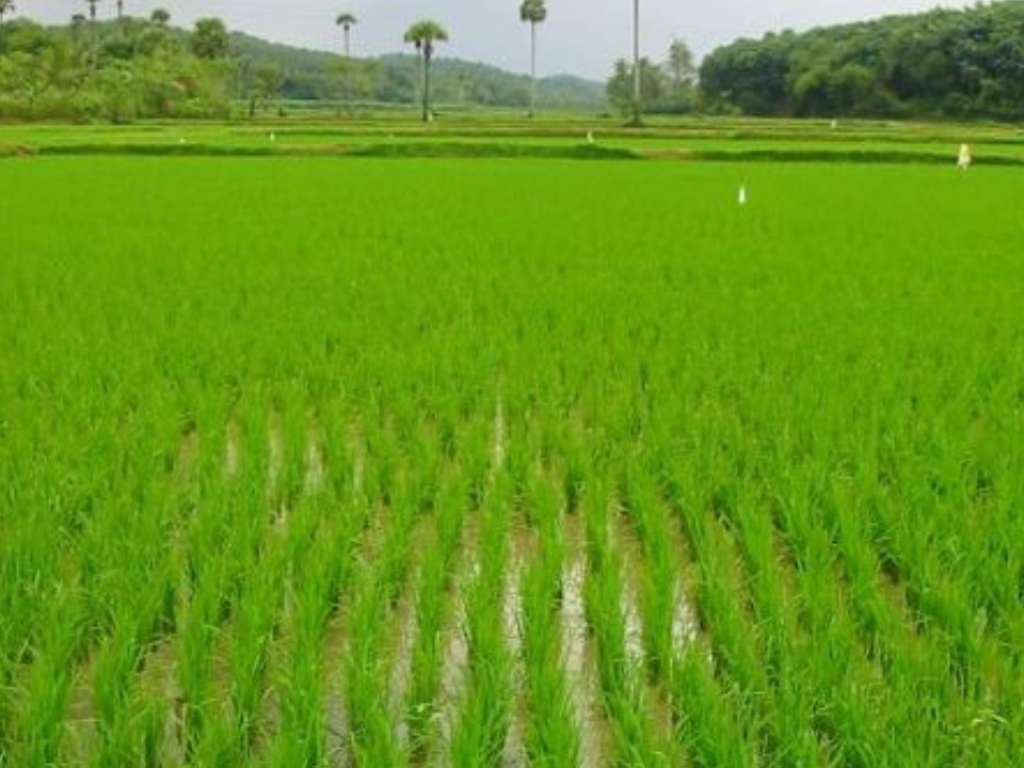
The government has also announced measures to promote improved food grain cultivation under which free seed minikits will be provided, field demonstrations will be held, and mechanised paddy transplanting incentivised with support for the System of Rice Intensification (SRI).
Agriculture officers said these interventions are designed to cut costs, enhance productivity and strengthen food security. A dedicated scheme has aps0 been launched to revitalise Khazan lands, the saline coastal fields that form part of Goa’s traditional agrarian landscape. Farmers will be supplied 100 per cent subsidised salt‑resistant paddy seeds, including the indigenous Korgut variety, under this scheme.
The move is aimed at encouraging cultivation in degraded fields and restoring productivity and officials said the schemes focus on modernisation and heritage revival.
The notification specifies that farmers can purchase seeds directly from licensed dealers and claim reimbursement of 50 per cent of the standard cost. Assistance is capped at 120 kgs per farmer, covering two hectares, though larger cultivators and groups can avail extended benefits with certification from zonal agriculture officers.