MAPUSA
Goa’s first artificial intelligence (AI)-assisted total knee replacement at a government hospital has brought advanced surgical technology into the public healthcare system, but whether patients will continue to benefit from it now depends on the state government’s willingness to fund its adoption.
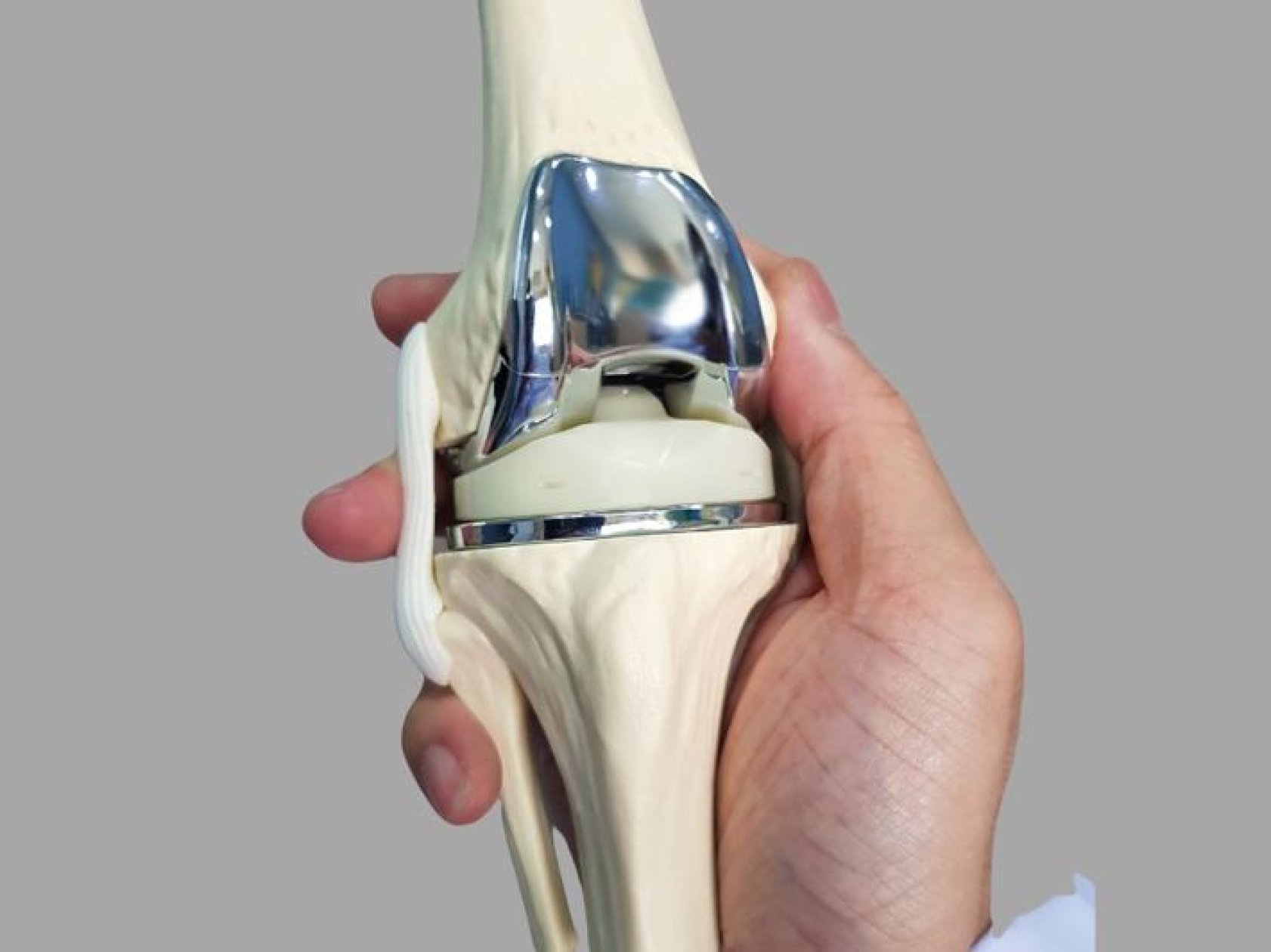
The surgery was performed at North Goa District Hospital (Asilo) using an AI-based pre-operative planning system provided free of cost for demonstration by a Pune-based company, Head of the Orthopaedic Department Dr Vikas Solyenker told The Goan.
While Health Minister Vishwajit Rane announced the procedure as a milestone for Goa’s public healthcare system, Dr Solyenker’s account points to the challenge of making the technology routinely available to patients who cannot afford treatment at private hospitals.
“This is the first AI-assisted knee replacement in Goa,” Dr Solyenker said, explaining that he had requested the company to demonstrate its system on a patient at Asilo. The hospital already provides conventional total knee replacement surgery free of cost.
Dr Solyenker said he would submit a proposal to the Medical Superintendent to explore introducing the technology under a government scheme, allowing patients to access AI-assisted surgery without additional charges. Alternatively, the government could purchase the system and place it under the hospital’s control.
AI plans, surgeon operates
Unlike robotic-assisted knee replacement, the system does not use a robotic arm to perform the operation. Instead, AI-based planning helps the surgeon determine the precise location and extent of bone cuts before surgery, while the procedure itself is performed manually.
Dr Solyenker explained that conventional knee replacement also involves pre-operative planning, but the AI-assisted system offers more precise guidance to help improve surgical accuracy.
According to the surgeon, this could help avoid unnecessary bone cutting and potentially reduce errors, blood loss and trauma to the patient. He also said the technology offered an alternative for surgeons who were uncomfortable operating with a robotic arm.
Dr Solyenker maintained that the system’s accuracy was comparable to that of robotic-assisted surgery, while being considerably less expensive.
AI surgery could cost extra Rs 30,000
The financial implications, however, remain significant for patients if the technology is introduced without government support.
Dr Solyenker said AI-assisted knee replacement would ordinarily cost around Rs 25,000 to Rs 30,000 more than conventional surgery. Robotic-assisted knee replacement, he said, was substantially more expensive, costing almost twice as much as the AI-assisted option.
Although the demonstration surgery was performed free of cost, the arrangement does not establish whether the system will remain available at Asilo or whether the government will procure it.
The decision will determine whether patients can access the technology without paying an additional amount for treatment that is otherwise available free of cost at the government hospital.
The knee replacement also marks an expansion of AI applications in Goa’s public healthcare system, where the technology has already been used for diagnostic screening.
Announcing the achievement, Rane congratulated Medical Superintendent Dr Varsha Munj, Dr Solyenker, Dr Prabha Desai, Dr Divya Pai and the operation theatre team.
The minister said more than one lakh chest X-rays had been digitally screened using AI to help identify lung-related abnormalities and enable faster diagnosis. He also cited the use of advanced screening algorithms at public health centres, claiming that diagnostic time had been reduced by more than half.
The application of AI in orthopaedic surgery takes the technology beyond screening and into surgical planning.
However, the Asilo procedure remains a demonstration of what the technology can offer, rather than evidence that it will become a regular feature of government healthcare.
For patients, the real test will be whether the government invests in the system or devises a scheme to ensure that access to advanced knee replacement does not depend on their ability to pay an additional Rs 25,000 to Rs 30,000.