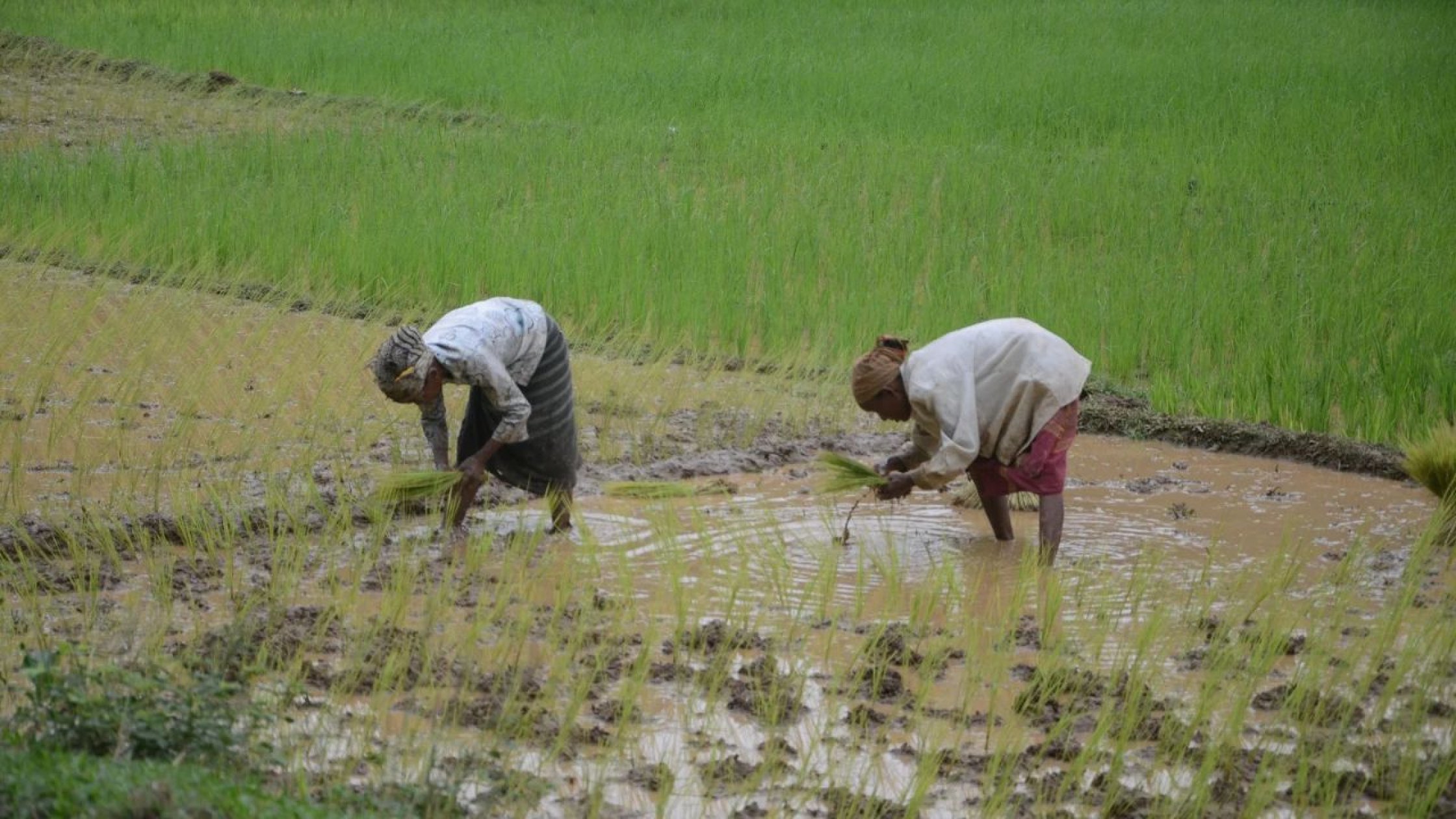
As children, many of us heard the familiar story of the potter praying it wouldn't rain, while the farmer looked up at the same sky, hoping for a good monsoon. For once, the two may well be hoping and praying for the same thing: rain, and rain at the right time. This year, Goa’s farmers have had little certainty to hold on to. The State has seen prolonged dry spells, uneven rainfall and rising temperatures, and has recorded a 32 per cent rainfall deficit since June 1, with farmers also reporting concerns about crops as temperatures remain high.
For farmers who depend heavily on the monsoon, it is not simply the amount of rain that matters, but also when it comes. Earlier this season, delayed rains and long dry spells affected sowing and transplantation, while the eventual showers were often heavy but patchy. The Goan had reported how the erratic nature and periodicity of the rains, rather than just the overall shortfall, had become a major concern for cultivators. And when the weather itself becomes uncertain, so does almost everything that follows, from sowing and cultivation to yields and incomes.
Difficult harvest
With rains falling to an all-time low and a deficit of – per cent, Goa’s farmers are facing a difficult harvest, with crop losses of up to 40 per cent expected. A 20-day dry spell and rising temperatures have caused moisture stress, affecting paddy, cashew and flower crops. While the Agriculture Department has sought field reports to assess the damage, we spoke to farmers to understand what went wrong this season and why it is a growing concern.
“Indeed, it has affected a lot of farmers. In fact, I won’t say definitely, but there is around 20 per cent less produce compared to the last harvest season,” remarks George Quadros, popularly known as the paddy man of Goa. “For us, this season has been very uncertain. We started planting around June, thinking that after one dry spell, things would get better, but they did not,” he adds. For progressive farmer Pandurang Patil from Rivona, the lack of rain is raising concerns not just for the crops but also for irrigation. “For horticulture crops, generally, after the rains stop, we begin irrigation. We normally start by the end of December. Yet this year, we have to start irrigation now, in October. That will be an additional three months,” he states. Patil explains that with the soil receiving less moisture, irrigation becomes important to keep the crops from drying out, particularly those that have been accustomed to regular water.
Pest concerns
While the lack of rain has affected water availability, farmers are also dealing with pests affecting their crops. Gregerio, another farmer from Nagoa, says that with the delayed and scattered rains followed by the current rainfall deficit, there is little certainty about the crop. “The rice crop has suffered immensely due to the bad rains this year. Last year, everything went comparatively quite well. We had good harvests of both rabi and kharif crops,” he mentions, expressing uncertainty.
Quadros too shares these concerns. “Not only is the kharif crop affected, but the rabi crop shall be adversely affected too.” Another challenge, he observes, was the untimely supply of fertilisers. “When the crop was planted, the farmers did not receive the fertilisers. Then, when they did, there was a dry spell, so they couldn’t plant. The woes never ended,” he states. He adds that even now, the crops are showing signs of stunted growth as a result of the poor rainfall. For now, his short-term solution has been to put in extra effort and make sure his crops are properly cared for.
Salvaging crops
With little that can be done about the weather, farmers are now trying to salvage the situation in whatever ways they can. Patil says he has issued an advisory at his level, asking farmers to stay prepared for the challenges this season may bring. “Our advice to farmers this time has been to take care of the roots. Even I have planted ‘miri’ this time, but a lot of them are drying up as their root system is not strong enough to take in the water,” he explains. He says the roots will only be able to draw water from the soil around them, and with limited moisture available, the plants could eventually dry up. “When we put organic manure for our crops every season, we dig up the soil around the crop, which is a common practice. However, I would advise farmers not to follow it this year to prevent any damage to the roots,” he recommends.
For farmers, the season has been a constant battle, from delayed rains and dry spells to pests, fertiliser issues and the added pressure of managing irrigation. While efforts are being made to protect the standing crops, the season has already taken its toll. What remains now is to see how much of the crop can be brought through to harvest and how farmers manage the losses along the way.