MAPUSA
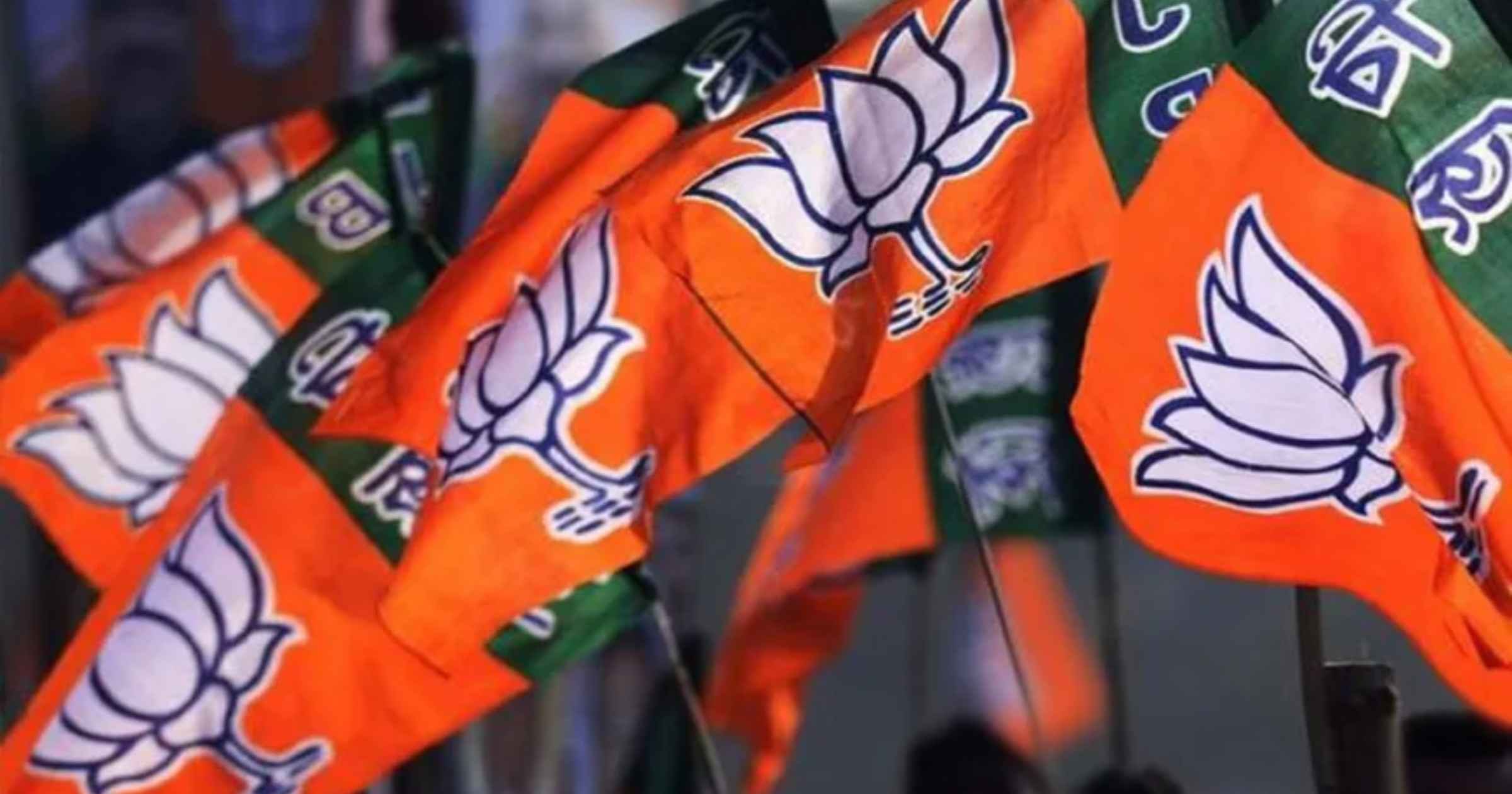
Bardez could well become one of the BJP’s biggest tests ahead of the 2027 Assembly elections – not because the Opposition has succeeded in mounting a united challenge, but because the ruling party is increasingly having to manage a crowded house of its own.
Across the taluka’s seven Assembly constituencies, the BJP has a curious problem. In several seats, it does not lack political workers, aspiring candidates or established leaders. It has too many of them.
The question for the party is therefore not merely who can win a constituency, but how to prevent those denied a ticket from becoming the very source of the trouble it is trying to avoid.
That is a particularly sensitive issue for a party entering its 15th consecutive year in power. Fifteen years is long enough for political fatigue, local grievances and anti-incumbency to accumulate beneath the surface, even when there is no obvious wave against the government.
If such sentiments eventually acquire a political vehicle, internal dissension could make the BJP more vulnerable than a fragmented Opposition might otherwise suggest.
Bardez offers a useful snapshot of this emerging dilemma.
Porvorim offers BJP some clarity
Porvorim presently stands apart. Tourism Minister Rohan Khaunte appears to have a relatively clear run for the BJP nomination, with no comparable challenger having emerged within the party. The constituency therefore gives the leadership something it desperately needs elsewhere – clarity.
Mapusa: Continuity or new face?
In Mapusa, however, the contest for political space is already more visible. Former customs officer Mayur Sawkar has begun making his presence felt and is openly pitching for the BJP ticket, while incumbent MLA and Deputy Speaker Joshua D’Souza continues to maintain his constituency network. The interesting question here is not simply who wants the ticket, but whether the BJP believes continuity with an incumbent or the projection of a new face is the better electoral proposition.
Calangute rivalry simmers
The intrigue becomes sharper in Calangute. Michael Lobo remains a heavyweight and the sitting MLA, but Sarpanch Joseph Sequeira is no political lightweight either.
Sequeira had contested the 2022 election on the BJP ticket against Lobo, then a Congress candidate. The two political formations have since changed dramatically, but the underlying local equations have not necessarily disappeared.
Mandrekar challenges Siolim status quo
Siolim presents perhaps the clearest example of the incumbent-versus-established-party-man dilemma. Delilah Lobo is the sitting MLA, but former minister and three-time former BJP MLA Dayanand Mandrekar has made his intention to contest known.
Mandrekar’s political history in the constituency means that his challenge cannot simply be dismissed as an aspirant’s attempt to secure attention.
Parulekar eyes Saligao comeback
Then there is Saligao, where sitting MLA Kedar Naik faces the prospect of sharing the political space with former minister Dilip Parulekar, who has signalled his desire to return to electoral politics.
Parulekar brings with him an established organisation and a history of representing the constituency. His recent public mobilisation has only added to speculation over his intentions.
Aldona: Experience or new face?
Aldona is a different proposition. Here the BJP needs to defeat an incumbent Congress MLA, but the bigger question is who it will put up for the task. Former MLA Glen Ticlo’s appointment to the National Commission for Minorities has inevitably revived speculation about his political future, while other local aspirants are also positioning themselves.
For the BJP, Aldona could therefore become a test of whether it chooses experience, organisational loyalty or a new face.
Tivim not settled despite incumbency
In Tivim, Fisheries Minister Nilkanth Halarnkar has the obvious advantage of incumbency, but the constituency too is witnessing competing political ambitions. The emergence of alternative claimants – including those with links to senior BJP circles – suggests that even ministerial status may not automatically settle the question of candidature.
The significance of all this goes beyond individual ticket aspirants.
The larger question is whether the BJP’s strength – its deep organisational machinery and abundance of leaders – could become its weakness.
Fifteen years of uninterrupted BJP-led rule has also created the possibility of accumulated anti-incumbency, even if that sentiment is not yet translating into a consolidated Opposition challenge.
For the Opposition, therefore, the immediate task is to convert fragmentation into a credible electoral alternative.
The real battle after ticket distribution
For the BJP, the more immediate challenge may be internal: keeping ambitious leaders within the fold after the ticket distribution.
As political observer Adv Mahesh Rane puts it, “There is no need for the Opposition to defeat BJP; BJP will defeat BJP.”
That may sound exaggerated at this stage. But in Bardez, where several constituencies already have more than one serious claimant, it is a warning the BJP cannot afford to ignore.