MAPUSA
Despite an erratic monsoon and a rainfall deficit of nearly 34 per cent this season, heavy precipitation in the catchment areas has significantly improved water storage across State’s major reservoirs, bringing relief to water resource authorities and easing concerns over drinking water availability in the months ahead.
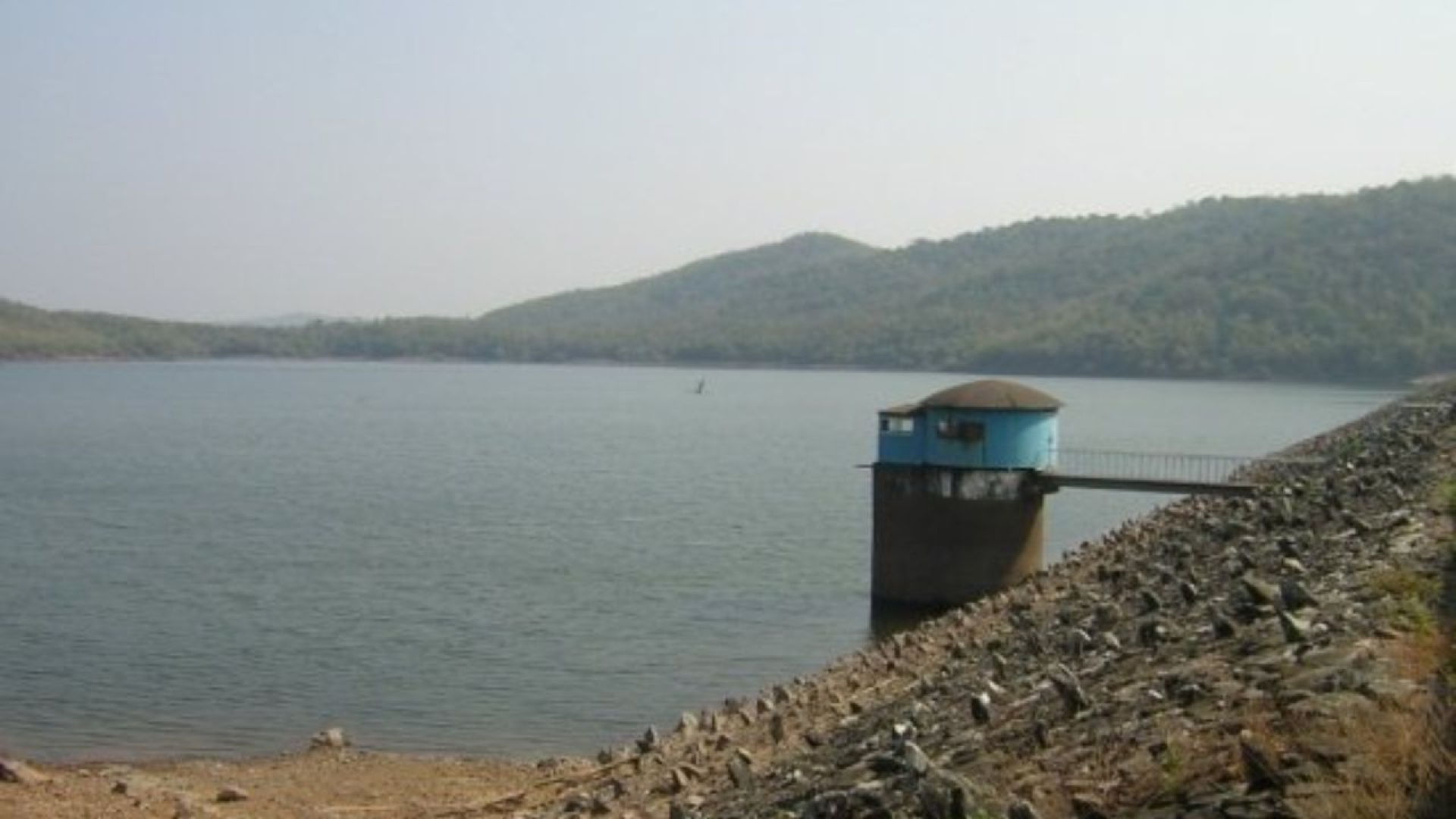
The State’s largest reservoir, the Selaulim dam, which caters to a major portion of South Goa’s drinking water needs, has reached 91 per cent of its storage capacity.
The smaller Gaunem dam has also touched the 91 per cent mark, and both reservoirs are expected to overflow if the catchment areas continue to receive substantial rainfall in the coming weeks.
The Tillari dam in neighbouring Maharashtra, a crucial source of raw water supply for North Goa, has recorded a storage level of 82 per cent. Authorities in Maharashtra have already begun controlled releases from the reservoir following the rise in water levels.
The Anjunem dam in Sattari, which had nearly dried up during the peak summer months, has staged a remarkable recovery and is now at 49 per cent capacity.
Other reservoirs have also registered healthy storage levels, with the Amthane dam at 75 per cent, Panchwadi at 76 per cent, and Chapoli at 60 per cent.
Officials from the Water Resources Department (WRD) said the improved storage levels have eased concerns that had emerged earlier due to the delayed and uneven progress of the monsoon.
“Although the monsoon has been inconsistent and rainfall distribution has been uneven, the catchment areas have received sufficient heavy showers, leading to a steady increase in reservoir levels. With the entire month of August still ahead, there is every possibility that most dams will either reach full capacity or maintain adequate reserves to meet the State’s water requirements,” a senior WRD engineer said.
The positive trend comes as a major relief for the WRD and the Department of Drinking Water, particularly after fears of water scarcity surfaced during the summer when reservoir levels had dropped sharply.
The State had experienced concerns over drinking water availability in several areas, with some reservoirs, especially Anjunem, recording critically low levels.
Officials said the current storage position indicates that Goa is likely to have sufficient water reserves for drinking, irrigation and other essential needs well into the next season, provided rainfall activity remains normal over the coming weeks.