


the goan I network
PANAJI
With temperatures in the State set to soar in May as the summer is reaching its peak, especially with the India Metrological Department (IMD) stating that temperatures could have risen by 3“5 degrees in some parts of Goa, the Drishti Marine has issued a summer advisory to tourists and locals visiting the beaches.
In a press note, Drishti has stated that domestic tourists have been heading to Goa with families in tow for their annual summer break. The month of May also sees far more locals heading to the beach.
Temperatures in the State are set to soar this month with the summers reaching its peak.
According to the India Metrological Department (IMD), temperatures could have risen by 3“5 degrees in some parts of Goa.
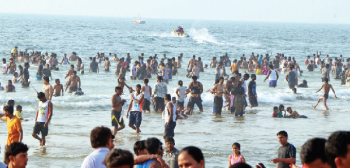
With tourists and locals heading to the beach to get some respite from the heat and cool off amidst the waves, Drishti Marine, the State-appointed professional lifeguard agency has issued a summer advisory on simple ways to stay safe while at the beach during the hot summer month.
Drishti, with its 600-strong lifeguard force on Goa’s beaches throughout the year, has stated that owing to the present sea conditions, it is advisable to swim between the flags marked in red and yellow, as they indicate moderate surf and currents, while strictly avoiding the red flag areas which indicate the non-swim zones.
“A beach umbrella is ideal to protect yourself from the sun’s direct heat, keep yourself hydrated by drinking plenty of water. It is advisable to carry sunscreen in order to protect yourselves from sunburns and heat-strokes.”
“The blue sea is inviting during the sweltering summers. However, the seemingly calm waves may have rip currents, flash currents and underwater currents that the beach goers need to be cautious about before taking a dip into the sea.”
“The team of lifeguards present along the coast are monitoring the surroundings and are trained to carry out rescues in the rough sea conditions,” stated the Drishti advisory.
The Drishti advisory said there are 35 lifeguard towers spread across Goa and in case of any an injury, beach goers are advised to approach a lifeguard as each lifeguard tower is equipped with a first aid kit.
“Each morning, lifeguards map the sea currents, changes in wind patterns and underwater activity in order to identify safe swim zones along every beach and mark them with the red and yellow flags. Unsafe zones which are at risk of rip and underwater currents are marked out by red flags, indicating that it is unsafe to swim,” the advisory adds.


