UDAY SAWANT
VALPOI
With Sattari taluka accounting for 63 of 108 villages included in the Centre’s seventh draft notification for the Western Ghats Ecologically Sensitive Area (ESA), there is growing concern and uncertainty among residents of Sattari taluka, where the issue has remained unresolved for nearly three decades.
While environmental conservation is acknowledged as essential, locals argue that development, employment opportunities and access to basic infrastructure are equally important.
Conflict since 1999
According to locals, the conflict dates back to 1999, when the Mhadei Wildlife Sanctuary was notified. Since then, villagers, farmers, plantation owners and various social organisations have continuously demanded that the notification be withdrawn, claiming that it imposed several restrictions on development and traditional livelihoods.
Between 2000 and 2017, Sattari witnessed numerous protests, public meetings, and awareness campaigns. Through these movements, communities sought to draw the government's attention to the impact of conservation policies on roads, housing, agriculture, plantations and other developmental activities.
Subsequently, the proposal for a Tiger Reserve generated another wave of concern among residents. A government-appointed committee conducted public hearings in Sattari, gathered public opinion and submitted its report to the Central government.
When the earlier draft of the Western Ghats ESA was released, Sattari also witnessed widespread opposition. Residents clarified that they were not against environmental conservation, but opposed any policy that could restrict development and affect their livelihoods.
Once the final notification comes into force, these villages will be governed by ESA regulations concerning development projects, industries, construction activities and environmental clearances. However, the draft states that agriculture, plantations, traditional occupations, existing residential houses and private property rights will remain protected.
Concerns, demands
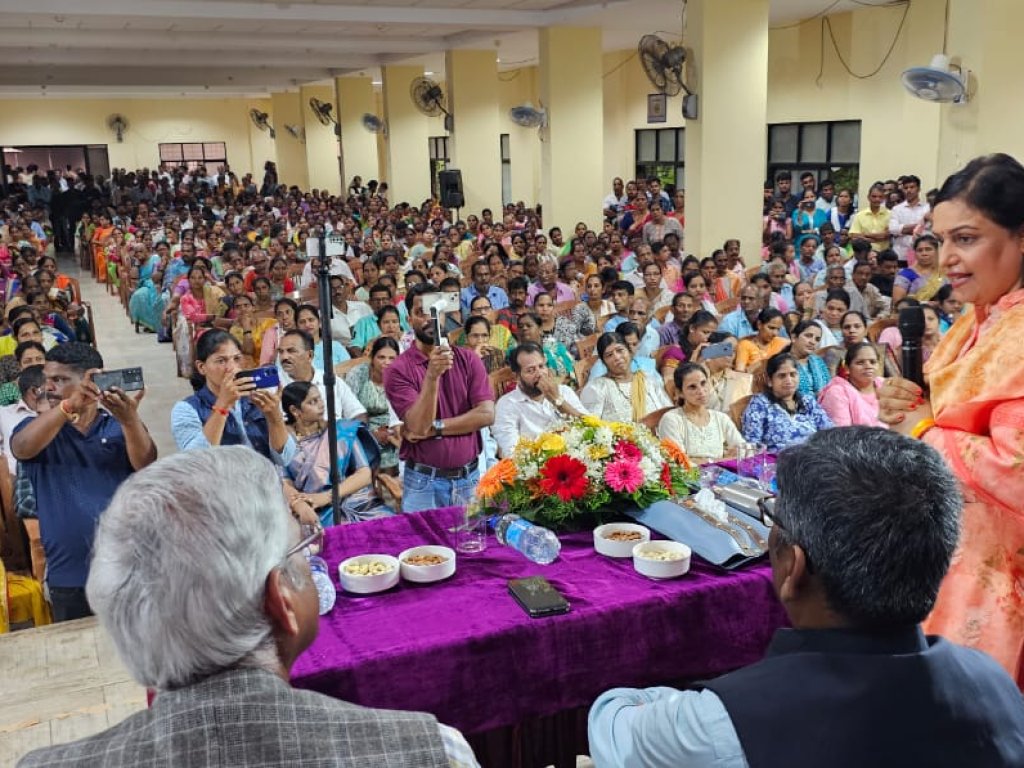
When the ESA proposal was first introduced, a meeting in Valpoi attended by residents, farmers, elected representatives, social activists and representatives of various gram panchayats unanimously opposed the implementation of the ESA in Sattari. Government officials at the meeting assured to convey their concerns to higher authorities.
All 12 Panchayats of Sattari along with Valpoi Municipal Council had also convened special meetings and passed resolutions opposing the ESA proposal.
The resolutions expressed concerns that the proposal could restrict development projects, affect agriculture, plantations and the rural economy, reduce employment opportunities, and hamper industrial growth and tourism development.
These resolutions were forwarded to the State government for submission to the Centre.
However, with the seventh draft retaining the same proposal, many residents are disappointed and wonder what became of previous assurances.
They fear that the ESA could result in restrictions on industrial projects, delays in infrastructure due to environmental clearances, reduced private investment, slower employment generation, and limitations on commercial land use.
Residents have demanded that the Gram Sabha consent should be made mandatory before any final decision, while development projects should not face unnecessary obstacles.
They also want roads, bridges, healthcare, education, mobile and internet infrastructure to be prioritised, along with a special development package for ESA villages.
They have also demanded that eco-friendly industries, rural tourism and homestay businesses receive government support, while environmental clearance procedures be simplified and made transparent.