MAPUSA
Goa has an elaborate system to monitor fish entering the State and being sold in its markets, but the system offers little clarity on a growing concern flagged by the National Institute of Oceanography (NIO) – the presence of heavy metals such as cadmium and mercury in shellfish.
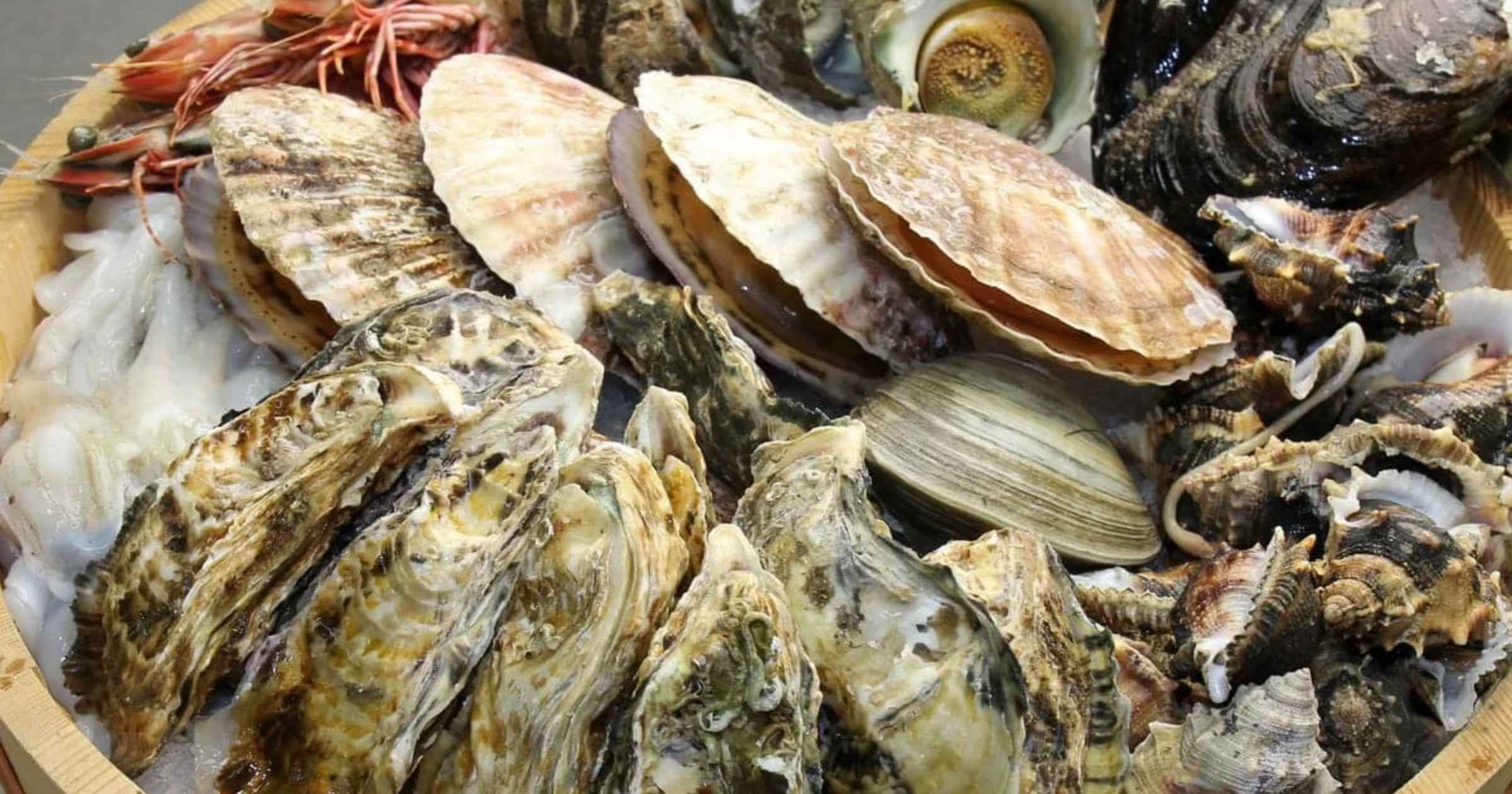
The NIO study, first reported by The Goan, was subsequently submitted to the Goa State Pollution Control Board (GSPCB), prompting authorities to consider a wider scientific investigation into the possible health implications of consuming oysters, clams and mussels.
A meeting convened by the GSPCB on August 12, involving the NIO, Directorate of Health Services, Fisheries Department and Environment Department, recommended that Health Services consider issuing a public advisory on the possible health impacts of consuming oysters, subject to the availability of health-based standards.
The meeting also suggested that the NIO expand its study to cover clams and mussels, which are widely consumed in Goa.
The FDA has been asked to examine the short- and long-term health implications of shellfish consumption, including consumption patterns among consumers. The exercise could be undertaken in collaboration with ICAR, Old Goa. The developments highlight a crucial gap in the State’s seafood safety net: the contamination issue being examined is not the same one that features prominently in routine fish surveillance. The government has cited extensive FDA surveillance of fish entering Goa through Pollem and Patradevi and at the Margao wholesale fish market.
The FDA has recorded 40,343 checks at Pollem, 41,118 at Patradevi and 1,61,647 checks at the Margao market since the respective surveillance systems began. Food safety officers have also collected more than 60 samples at Patradevi and over 30 at Pollem during surprise inspections.
The samples were analysed at the FDA laboratory and none, so far, was reported to contain formaldehyde.
But those figures do not establish whether shellfish are being systematically tested for cadmium, mercury or other heavy metals – the specific concern raised by the NIO study. This leaves an important question hanging: while Goa is checking what enters its fish markets, is it adequately monitoring what is accumulating in shellfish harvested from its own waters?
Govt names testing laboratories
The State government said that fish testing can be carried out by the FDA laboratory, Environcare Labs, Thane and laboratories approved by NABL and FSSAI.
The FDA laboratory at Bambolim is equipped to analyse parameters including formaldehyde and added colours using sophisticated equipment such as GC-MS. Samples may also be sent to FSSAI-approved third-party laboratories where required.
But there is no information on whether shellfish is being tested for the presence of cadmium and mercury.