MARGAO
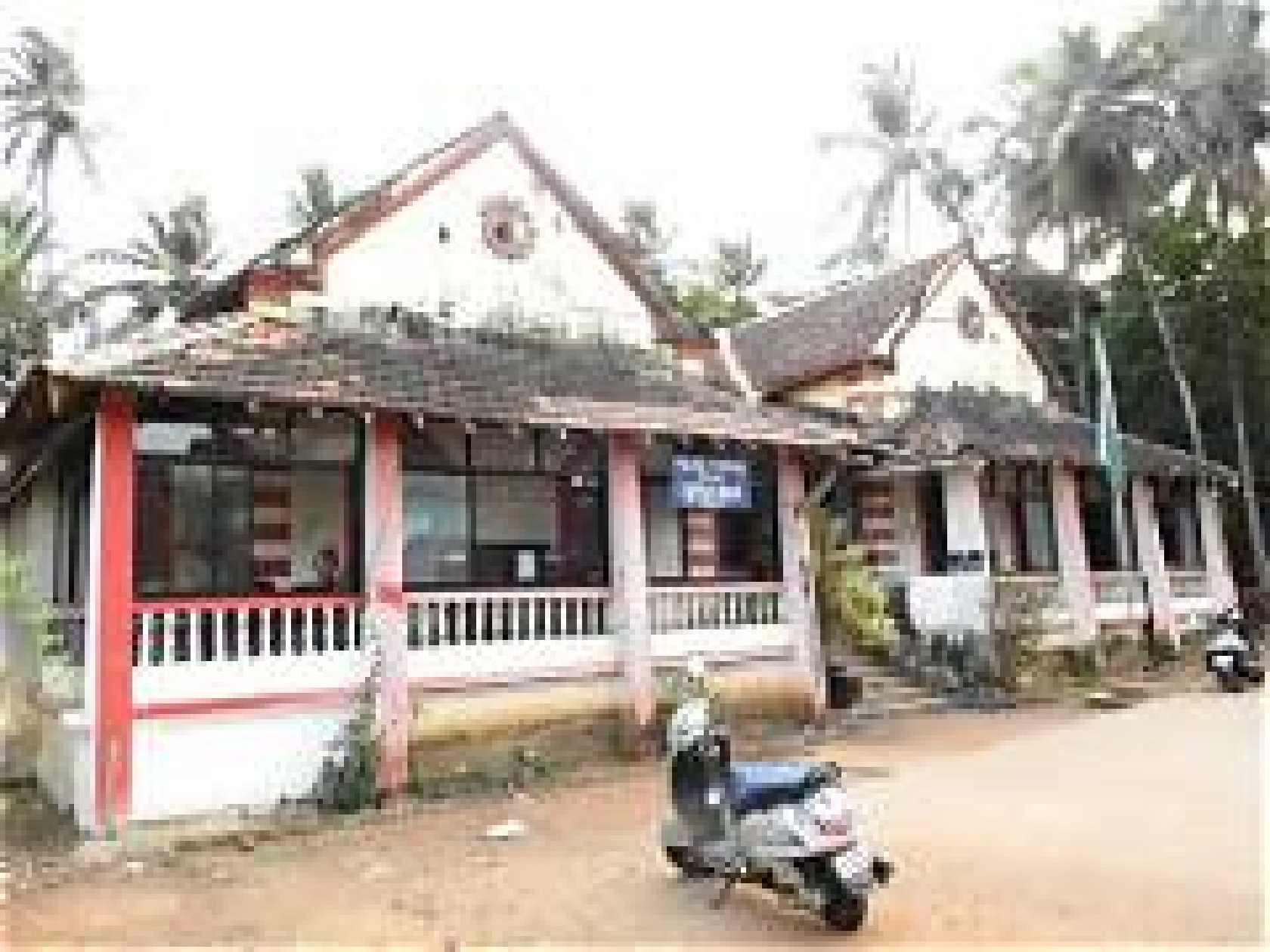
What causes administrative instability at the Colva Police Station, which has jurisdiction over Salcete’s entire coastal belt? Stretching from Cavelossim to Majorda, the station’s jurisdiction encompasses some of Goa’s world-famous beaches, including Colva, Benaulim, Cavelossim-Mobor, Varca, Majorda and Betalbatim. Its jurisdiction is also notorious for the persistence of banned bullfights, or dhirios, sources say.
This question is doing the rounds with the frequent changes at the helm of the Colva police station have once again raised questions over administrative stability at one of South Goa’s most strategically important police stations, with the latest transfer of Police Inspector Videsh Shirodkar to the South Goa Reserve Line on Friday.
Shirodkar has been replaced by PI Vithoba Kamat, who had reported to the South Goa Reserve Line couple of months ago following allegations connected to his earlier posting at Collem. The latest reshuffle has added another chapter to what has become a pattern of short-lived tenures at Colva, where several police inspectors have been transferred in and out over the past year.
The latest transfer has also revived questions about the circumstances in which officers posted to Colva are moved out. While police sources say Shirodkar’s transfer is linked to allegations arising from a raid, the precise circumstances have not been officially spelt out.
Early last year, then Colva police station in-charge, PI Ritesh Tari was transferred to the South Goa Reserve Line after three constables attached to the station were suspended over allegations of corruption. Tari was subsequently replaced by PI Vikram Naik.
Around November 2025, the police department ordered another change, with PI Videsh Shirodkar slated to move to Colva from Valpoi while Naik was to be transferred elsewhere. However, the order did not immediately translate into a change of guard, with Naik continuing at Colva.
The situation became more complicated following Naik’s presence at the Colva Church premises along with a police contingent during an agitation concerning bungalows allegedly constructed by builders from Delhi earlier this year. Against the backdrop of rising tensions, Naik later proceeded on leave, while Cuncolim PI Diego Gracias was given additional charge of Colva.
Gracias subsequently returned to Cuncolim, while Naik returned to the Colva police station after his brief spell away.
Naik was later transferred to head the Konkan Railway Police Station. Shirodkar was then posted to Colva, effectively giving effect to the transfer order that had originally been issued months earlier.
Just when it appeared that the station had finally settled down, Shirodkar was transferred out again.
Is Colva a political and administrative hotspot?
The repeated changes have inevitably fuelled speculation within police and political circles that the Colva posting has become a particularly contested assignment.
The station’s jurisdiction combines tourism, commercial activity, large local populations, politically sensitive issues, land and construction disputes and recurring illegal activities such as dhirios. It therefore carries considerably greater visibility than an ordinary police station.
For officers, the posting can be both an opportunity and a challenge. But frequent transfers can also undermine continuity in investigations, intelligence gathering and relationships with local communities.
The larger question, therefore, is whether the repeated transfers are the result of genuine administrative requirements, disciplinary action, operational considerations or pressure generated by competing interests over the coveted Colva posting.
The history of the station also shows that transfers following police action are not entirely new and the latest transfer once again leaves the question of continuity hanging over the Colva police station.