PANAJI
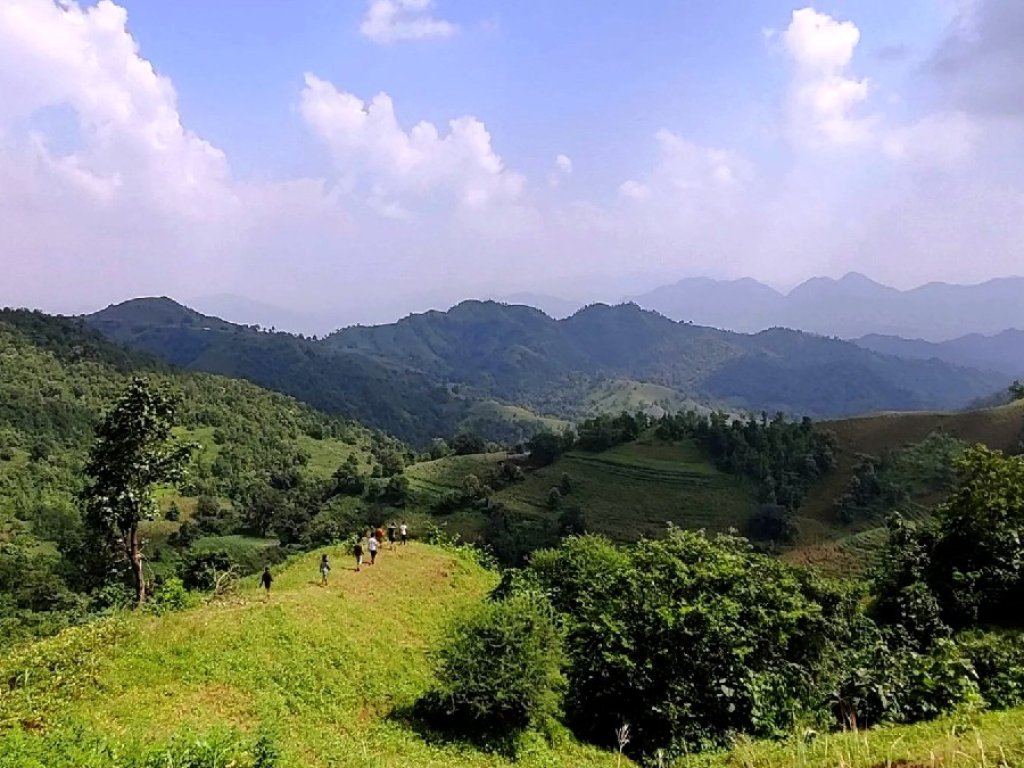
Ignoring Goa government's recommendation to restrict the Ecologically Sensitive Area (ESA) to 87 villages, the Union Ministry of Environment, Forest and Climate Change (MoEF&CC) has once again proposed 108 villages in the State under the Western Ghats ESA in its seventh draft notification, keeping the proposed coverage unchanged at 1,461 sq km.
The Ministry on Tuesday issued the seventh draft notification, granting a fresh 60-day window to the six Western Ghats States -- Goa, Gujarat, Maharashtra, Karnataka, Kerala and Tamil Nadu -- to submit objections and suggestions before the final notification is issued.
The draft makes it clear that while the proposed list continues to include 108 villages in Goa, the final area will be decided after considering the recommendations of the State governments, stakeholders and the ESA Expert Committee.
"The Committee is addressing the issues raised by the States in the Western Ghats region on discrepancies or information gaps... The actual area will be finalised based on the recommendation of the State, views of stakeholders and the ESA Expert Committee," the notification stated.
According to the draft, the proposed ESA in Goa comprises 63 villages in Sattari, 26 in Sanguem, 13 in Dharbandora, five in Canacona and one in Ponda.
The notification also clarifies that its provisions will remain subject to the final orders of courts in pending litigation and that the ESA declaration will not affect ownership rights of properties located within the notified area.
The latest draft comes despite the Goa government's objections to the previous notification issued in August 2024, which had also proposed 108 villages for inclusion. In its response to the Centre, the State had sought the exclusion of 21 villages -- 12 from Sattari, five from Dharbandora, three from Sanguem and one from Canacona -- arguing that only 87 villages satisfied the criteria prescribed by the Ministry.
An expert committee constituted by the MoEF&CC visited Goa in November 2024 to conduct ground verification and hold consultations with the State government. During the exercise, Goa raised concerns over the dependence of local communities on extraction of minor minerals, contending that ESA status could impose restrictions on such activities, adversely affecting livelihoods while making the State dependent on neighbouring states for its minor mineral requirements.
The ESAs are identified under the Environment (Protection) Act, 1986, to provide enhanced environmental protection to ecologically fragile regions by regulating activities that could degrade these ecosystems.
Under the proposed notification, new mining and quarrying projects, thermal power plants, highly polluting red-category industries and large construction projects with a built-up area of 20,000 square metres or more would either be prohibited or subjected to stringent environmental scrutiny within the ESA.
The draft also places the responsibility for implementing and enforcing the notification on the respective State governments. States have been directed to strengthen regulatory mechanisms, ensure participation of local communities in decision-making and share details of enforcement mechanisms with the Union Ministry.
Further, all projects operating within the ESA after obtaining statutory environmental consents will have to be inspected at least once a year by the respective State Pollution Control Boards.
The State governments have also been directed to prepare and publish an annual 'State of Health Report' for the Western Ghats region, detailing compliance, monitoring and enforcement measures undertaken in the eco-sensitive areas.