VIKRAM NAYAK
THE GOAN | VASCO
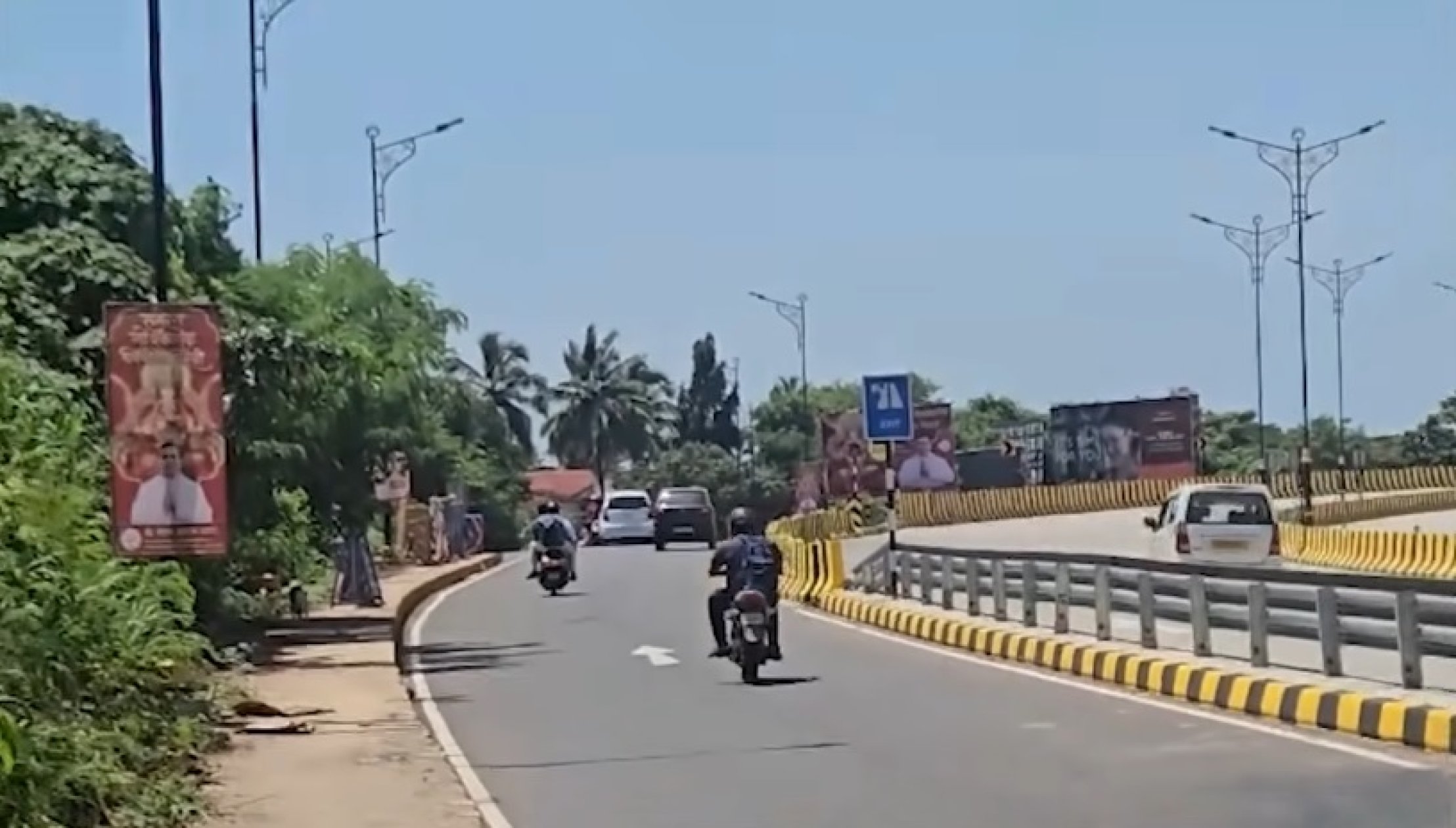
For one week every year, Vasco seems to undergo a strange transformation. The cranes may continue to rise over Mormugao Port and ships may continue to call, but much of the town’s familiar bustle quietly disappears.
Ganesh Chaturthi is not merely a festival in Mormugao. For a sizeable section of its population, it is a homecoming.
From Sada, Baina, Headland, Vasco and other parts of the port town, families pack their bags and head towards their native villages, leaving behind homes and neighbourhoods that, for a few days, acquire an unusually silent character.
Many travel towards Mapusa and North Goa, while others cross Goa’s borders to places such as Banda, Sawantwadi and Malvan in Maharashtra, or Karwar in Karnataka.
The exodus is so pronounced that special bus services have, over the years, been arranged to connect areas such as Sada with destinations including Sawantwadi and Karwar during the festival period.
The reason lies deep in the history of Mormugao’s growth.
The port town drew generations of people from across Goa and neighbouring regions in search of employment, particularly around Mormugao Port, allied businesses, transport, trade and other occupations. Many who arrived decades ago eventually built homes, raised families and made Mormugao their permanent address.
But their roots never quite left them.
Ganesh Chaturthi brings those roots to the forefront. The house in Vasco may be permanent, but the Ganesh idol, the ancestral home and the family traditions often remain in the native village. And so, once the festival arrives, the journey begins — sometimes involving several generations travelling together.
EXTENDED BREAK
The impact is visible well beyond residential neighbourhoods.
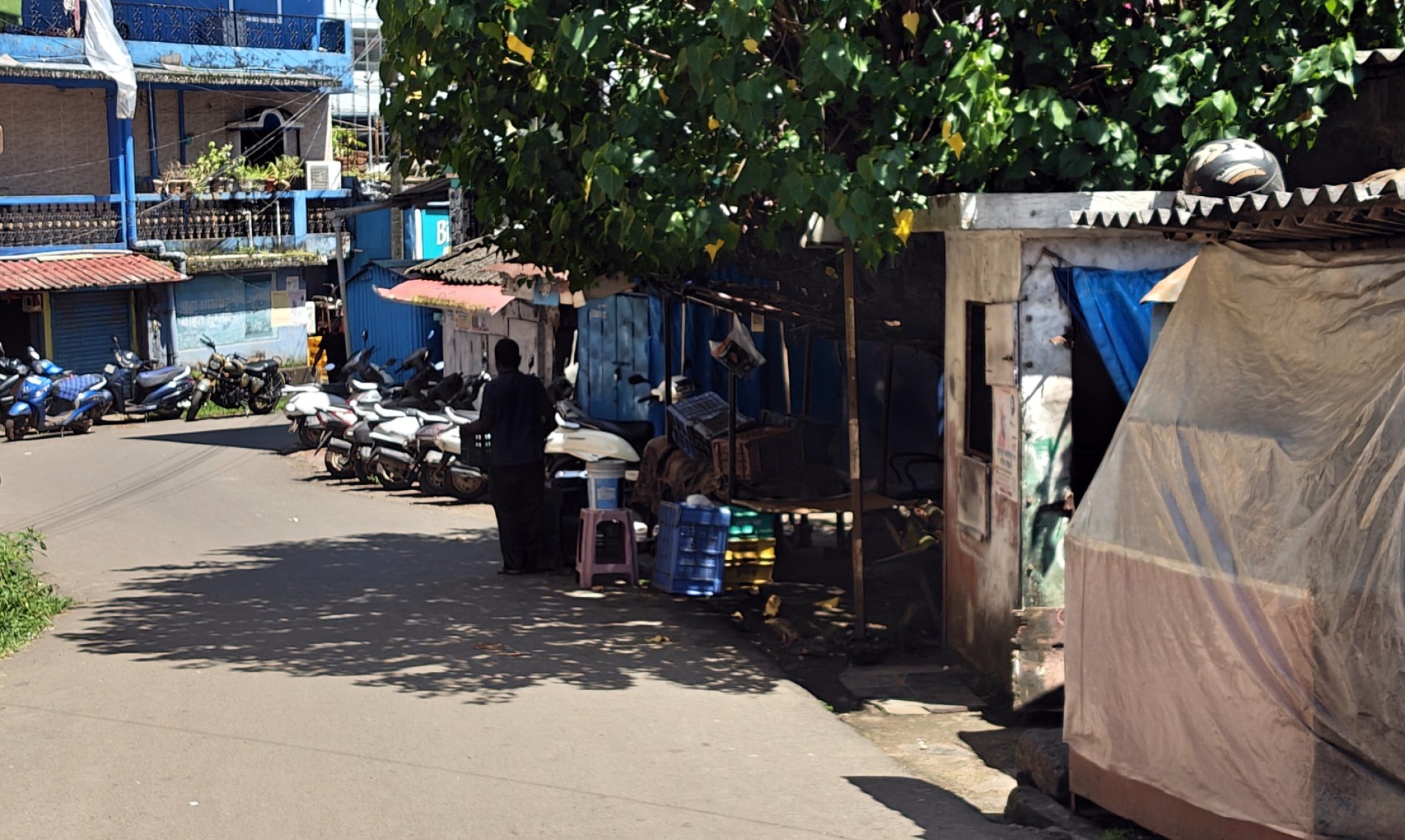
Several markets and commercial stretches in Mormugao wear a deserted appearance during the week. Shops remain shut as proprietors themselves leave for their native places. Businesses connected to these shops experience the same slowdown, creating a cascading effect across the local economy.
The phenomenon even reaches the port-linked business ecosystem. Distributors and suppliers dealing with retail requirements and ship-related provisions also use the festival period to take extended breaks. For some, the two days of principal Ganesh festivities are followed by several more days away with their families.
The school calendar adds another dimension. With students enjoying the Ganesh vacation, families often find the festival week particularly convenient for travelling. In some cases, children even return late after the holidays because the celebrations in their native villages continue for several days.
MIGRATION ACROSS SOCIAL STRATA
And the annual migration cuts across social and economic lines.
From daily-wage workers to businessmen, employees and even elected representatives, the pull of the native village remains strong. Mormugao MLA Sankalp Amonkar, while participating in Ganesh celebrations with residents and supporters in his constituency, also returns to Amona for his family’s celebrations.
Vasco MLA Krishna Salkar too combines his public engagements in Vasco with his own family’s Ganesh festivities at his native place.
In that sense, the festival briefly reverses the migration that helped build Mormugao.
People came to the port town decades ago because work brought them here. They stayed because life took root here. Yet when Ganesh arrives, the same families retrace the journey in the opposite direction — back to villages where their surnames, traditions, childhood memories and family gods have deeper histories.
The empty shops and quieter streets are therefore not signs of a town shutting down. They are evidence of a powerful connection that Mormugao’s working life never erased.
For the police, however, the quiet town comes with its own challenge. With many houses locked and families away for several days, police personnel have to remain particularly vigilant against thefts and other criminal activity during the festival week.
By the time the families return, Vasco slowly regains its rhythm — shops reopen, children return to school and the port town resumes its familiar bustle.
For seven days, however, Mormugao belongs less to the port and more to the places from where its people once came.